The first hydrofoil from Naples ties up at Marina Grande on a November morning and lets off a handful of passengers: a postman, a couple of builders with a toolbox, a woman carrying shopping bags from the mainland. Nobody is selling boat tours. The funicular climbs to the Piazzetta half empty, and the bar on the corner of the quay has put its chairs out for the people who actually live here. This is Capri out of season, and it is a different island.
An island that empties
From November until around Easter much of Capri closes. The big hotels shut, the boutiques on Via Camerelle board up their windows and the beach clubs at Marina Piccola stack their sunbeds. What remains is the island the summer crowds rarely see: lemon groves behind stone walls, old men playing cards in Anacapri, chimney smoke drifting down from the hillside houses on a cold evening. At noon the Piazzetta, packed shoulder to shoulder in August, belongs to schoolchildren and pensioners with their newspapers.
The walks are better now. The path to the Arco Naturale, the Pizzolungo trail along the cliffs above the Faraglioni and the climb to Villa Jovis, where the emperor Tiberius ruled Rome from a clifftop in his final years, are empty enough that you hear the sea far below. If the chairlift up Monte Solaro is running, the view over the Bay of Naples is sharper in winter air than it ever is through the August haze.
The Faraglioni without the boats
The three stacks of the Faraglioni stand off the south-east corner of the island, and in summer the water around them is crowded with tenders and day boats queueing to pass through the arch in the middle one. In November you can come round Punta Tragara and find nobody there at all. The rock is pale in the low sun, gulls sit on the ledges, and on the outermost stack lives a blue lizard found nowhere else, a detail that every guide repeats and that happens to be true.
Marina Grande, on the north side, is comfortable in a southerly and uncomfortable in a northerly; Marina Piccola on the south side is the reverse. In winter that matters more than in summer, because the weather moves through faster and harder. Check the local rules before anchoring anywhere close to the coast, since restrictions apply in places, and keep well off the cliffs whenever there is a swell running.
Choosing the calm day
Out of season, Capri is a weather-window island. The days are short, a scirocco can push a grey swell up from the south for days on end, and the Grotta Azzurra closes whenever there is the slightest movement at its low entrance. Between the fronts, though, come still, bright days when the sea lies flat and the midday sun is properly warm. Those are the days to make the crossing, and they are worth the wait.
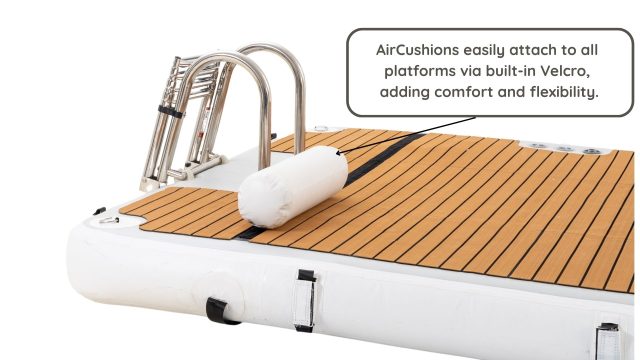
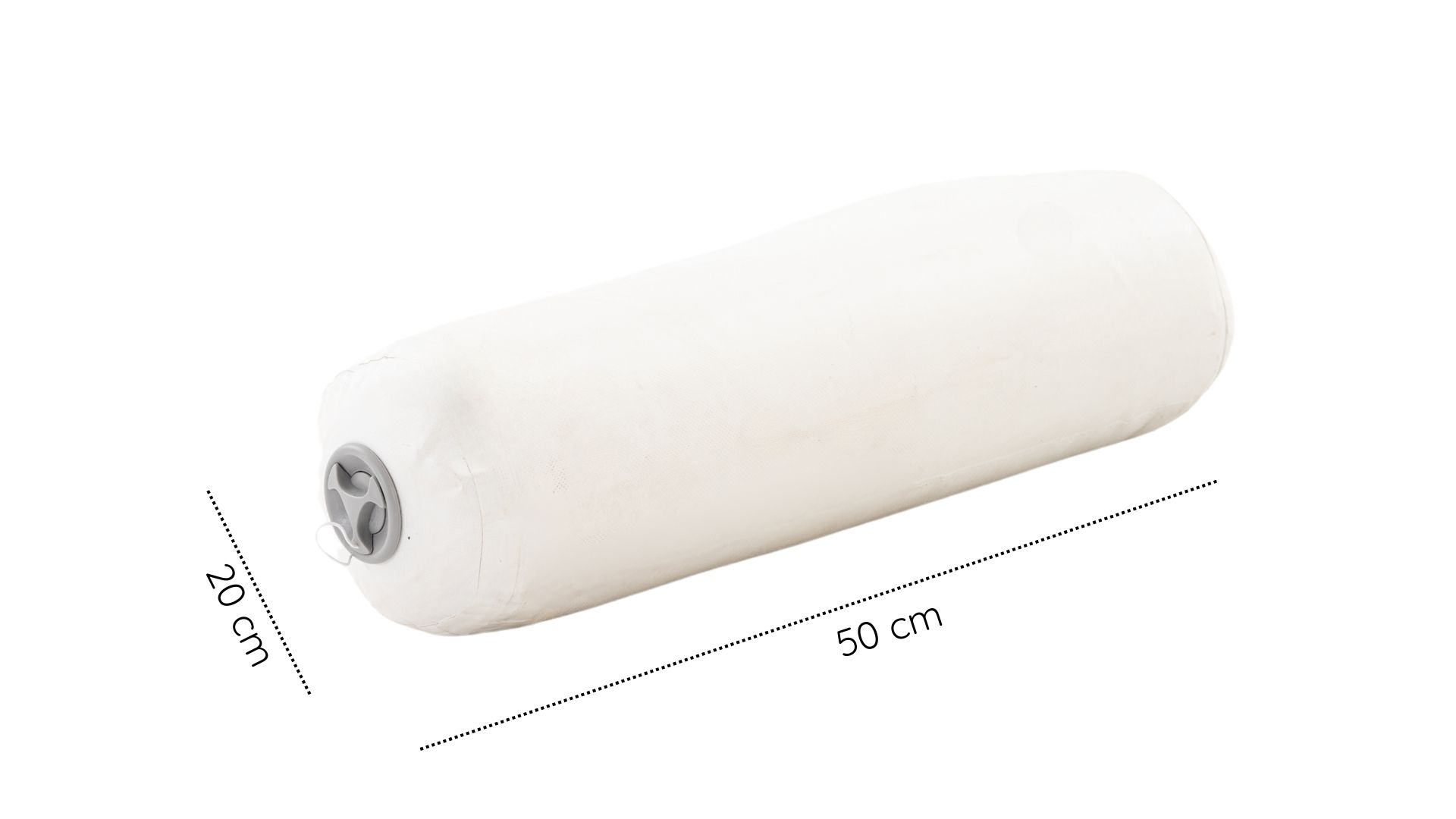
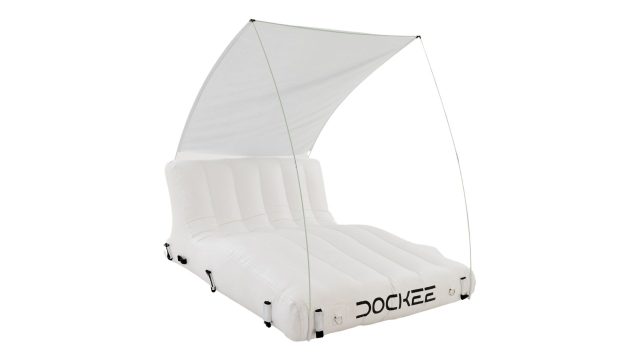
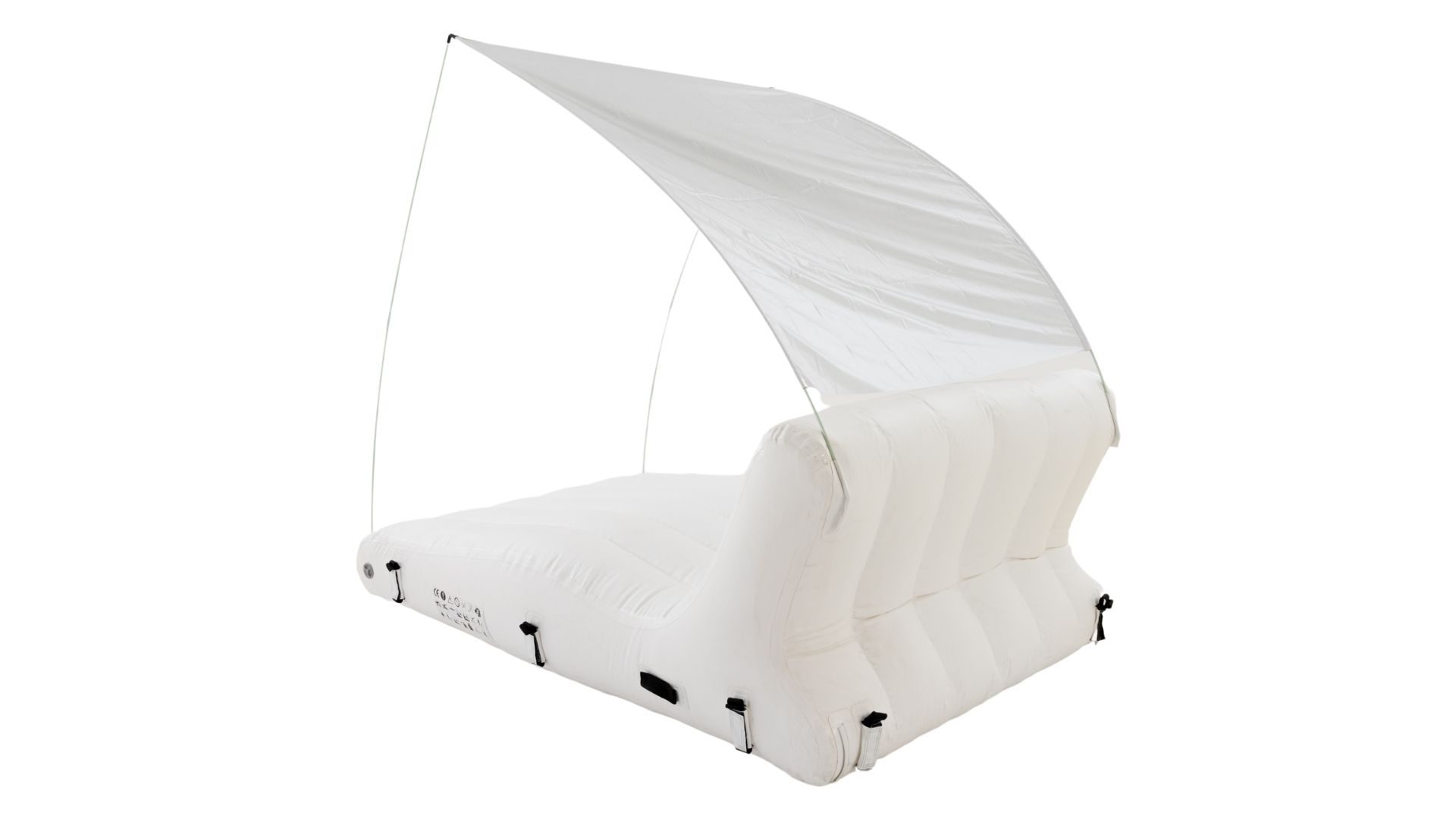
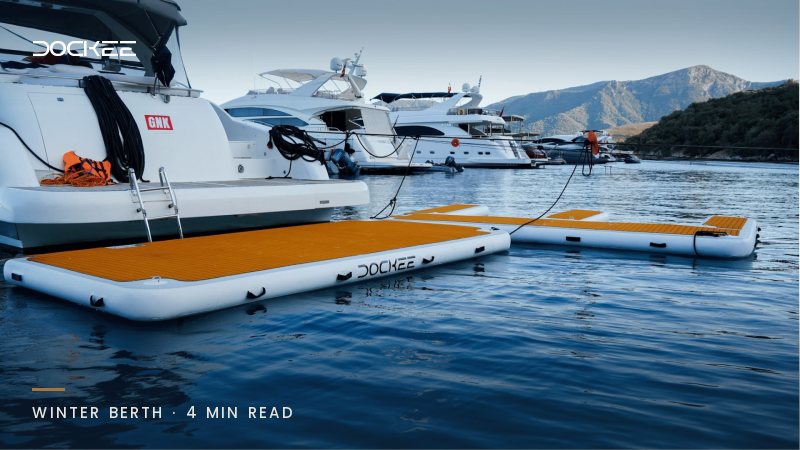
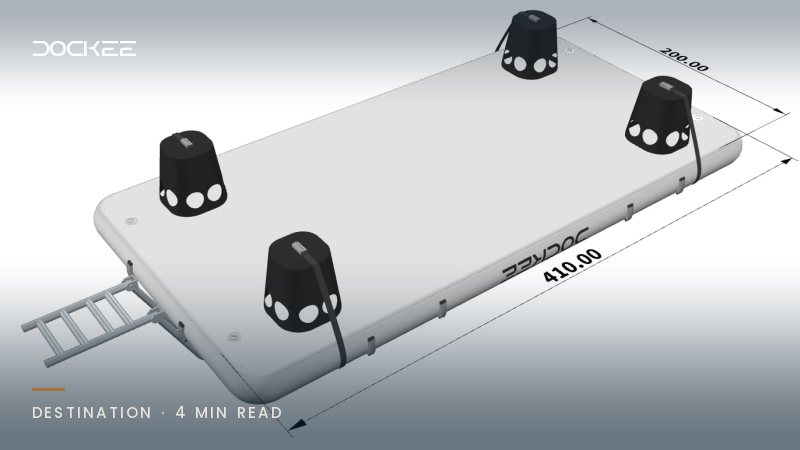
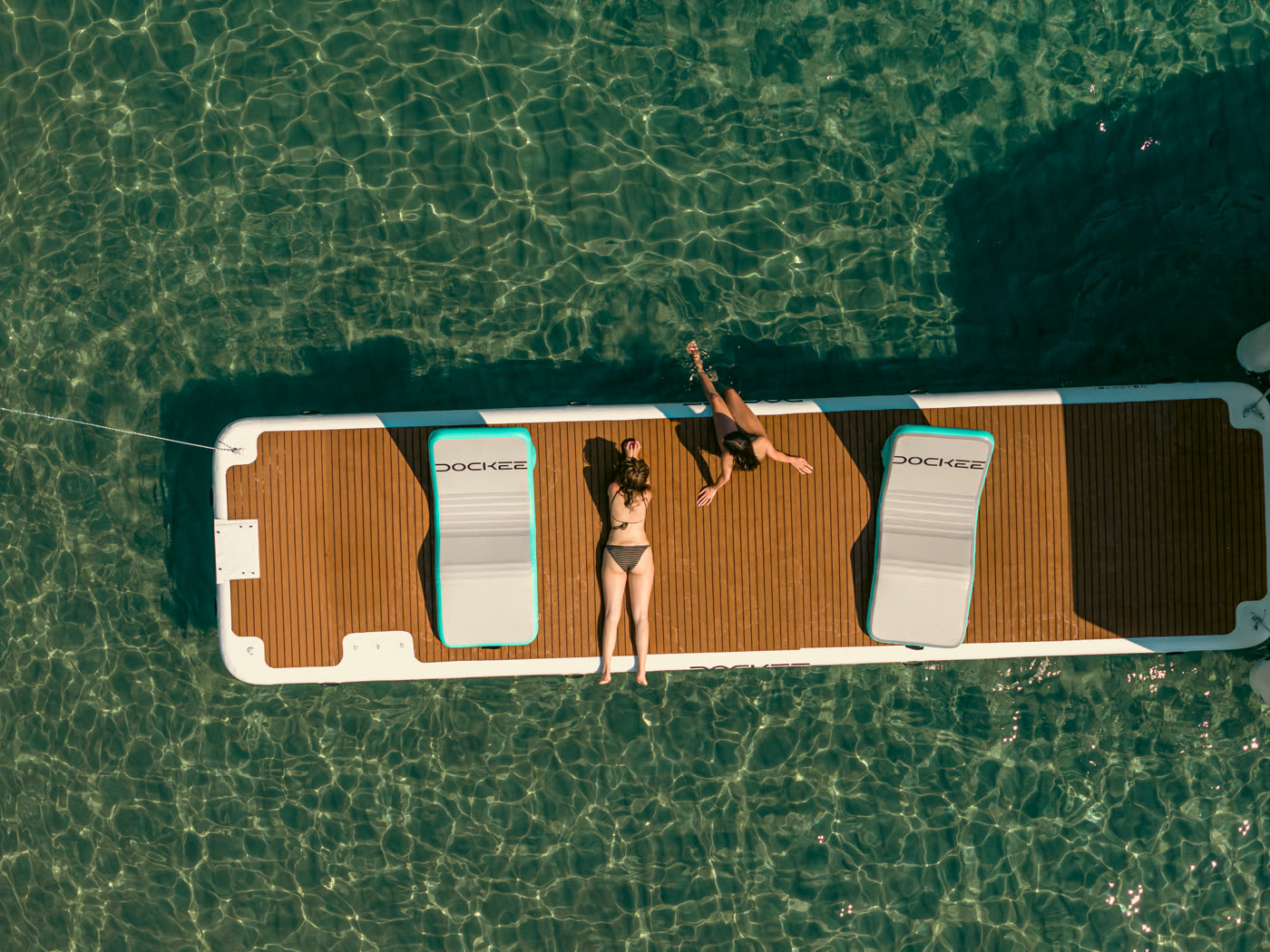
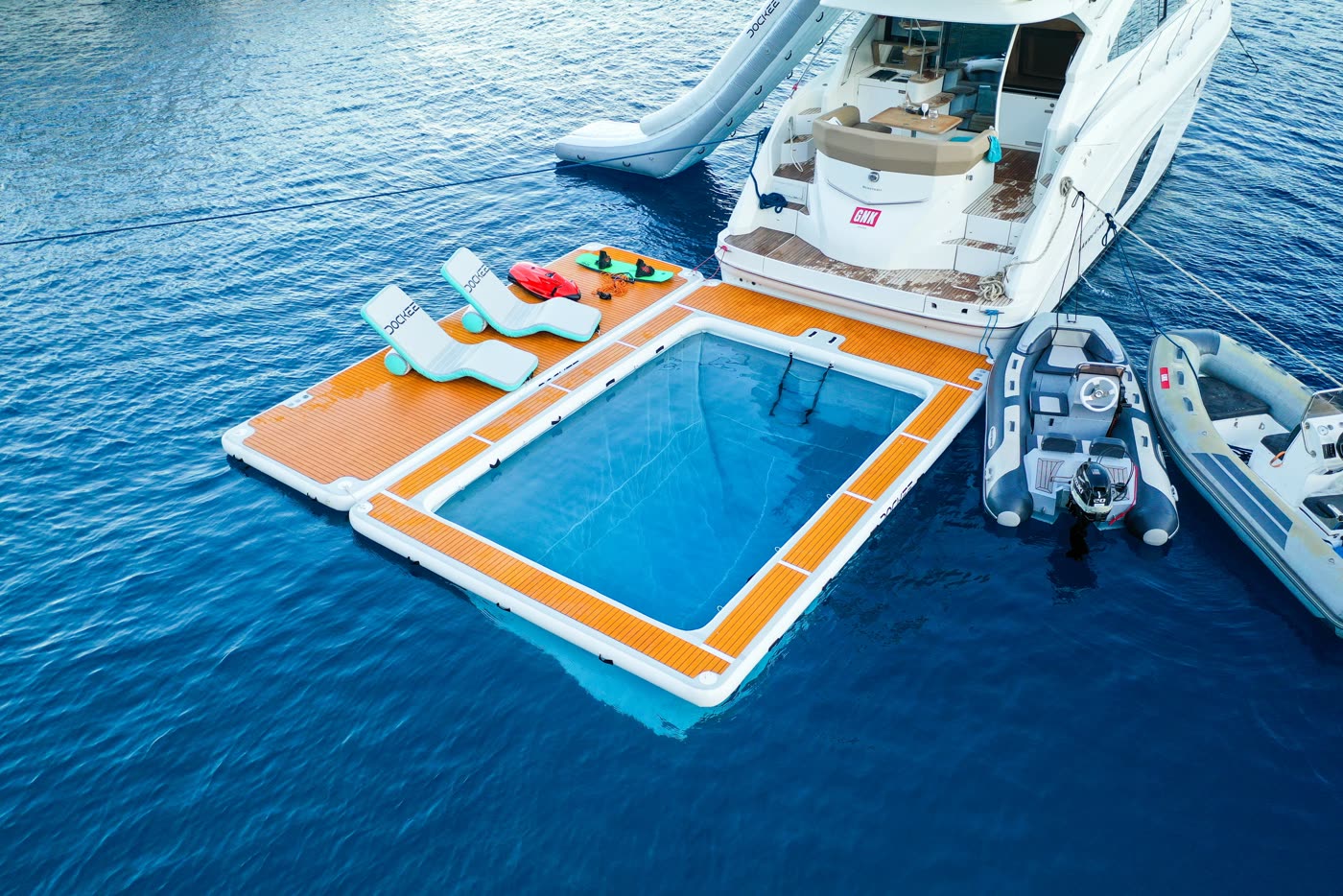
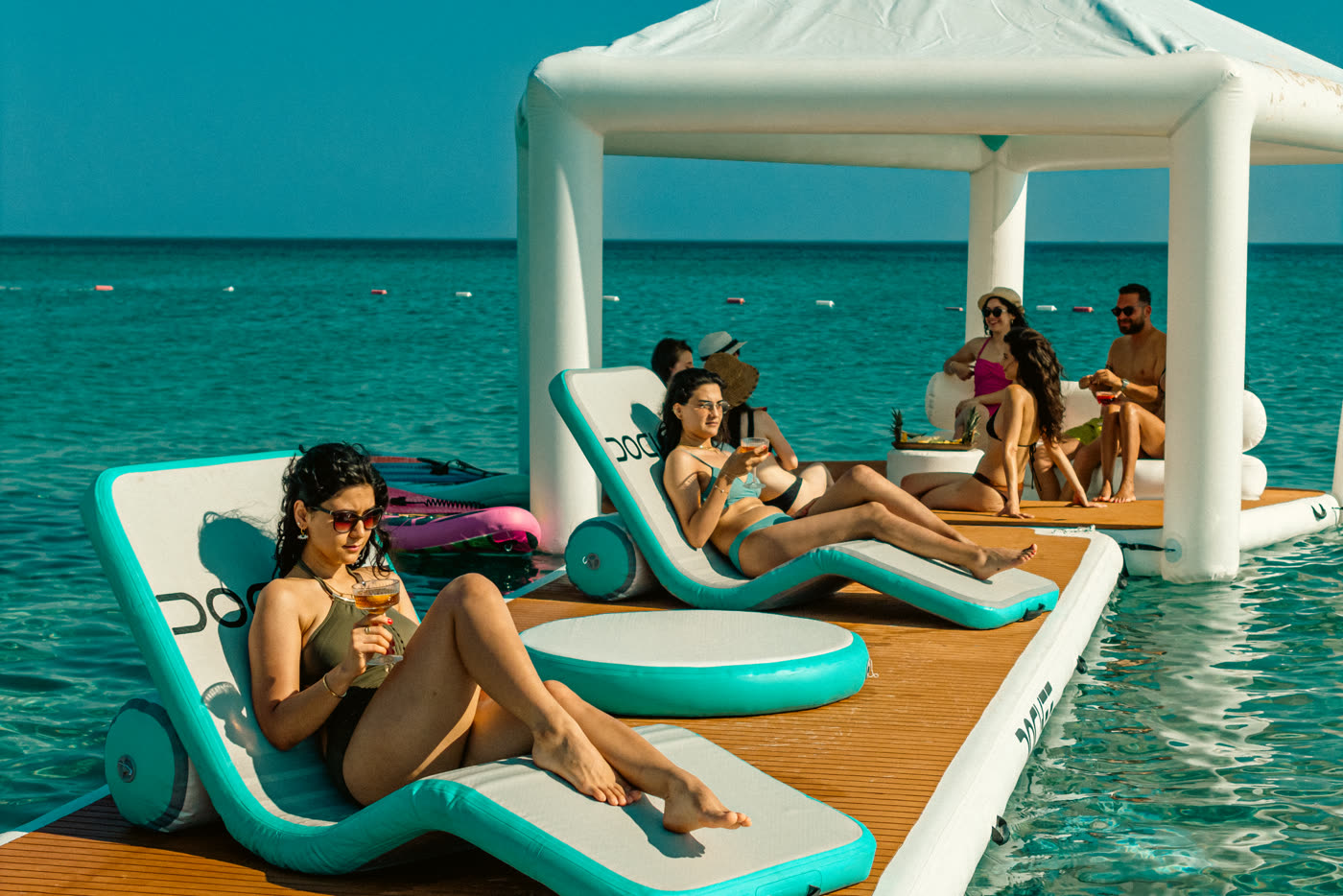
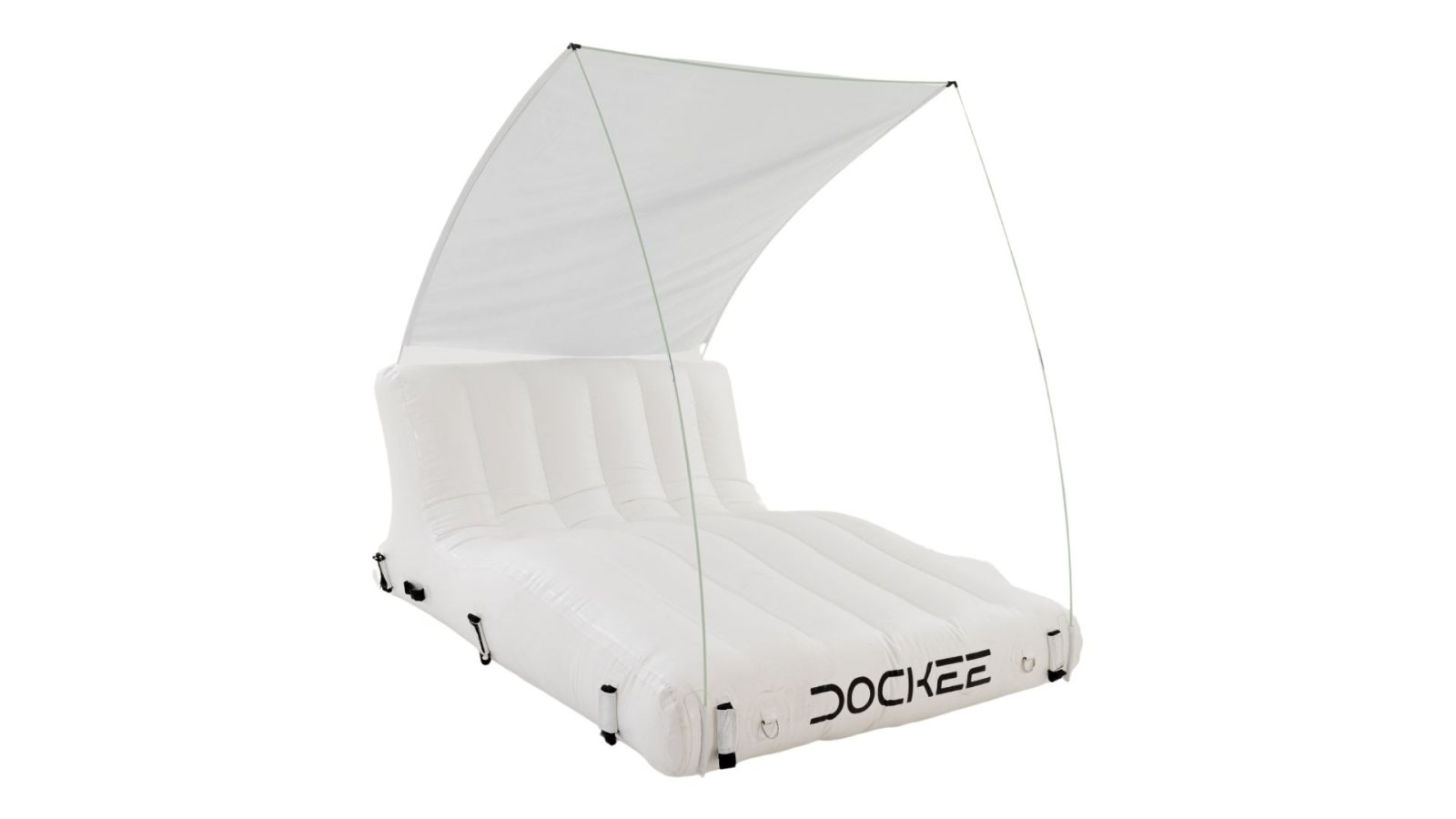
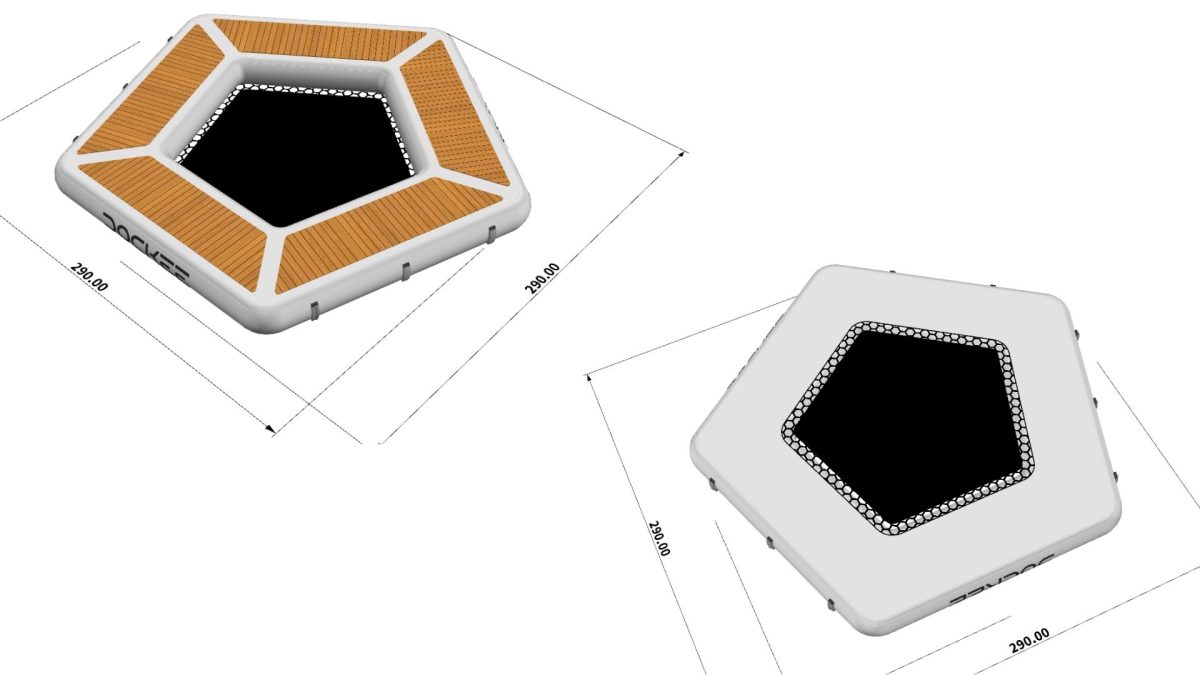
Anchor off the south side in the lee, put the kettle on and spread a Twin Luxe Daybed across the sundeck. At 220 x 150 cm it is wide enough to stretch out on with a book and a blanket, and from it the Faraglioni fill the view. If there is a Premium Teak Platform 4.10 m aboard, a flat noon is the moment to put it over the side for whoever is brave enough to swim. An Air Cushion, a small 50 x 20 cm inflatable, goes beneath it or between modules for extra stability and a softer join. Before anyone goes in, the engines and thrusters are stopped and one person stays on deck to watch.
More pieces for the deck are in the air sofas and chairs range, and the advice on mooring and safe use in our guide explains how to anchor with toys in the water. By mid-afternoon the light is already turning gold over Anacapri, and it is time to weigh anchor before the short day runs out.