Yes, the Costa Smeralda off season is worth a visit if you come for the coastline rather than the scene. Once the summer fleets have gone, Porto Cervo is quiet, most of the boutiques and beach clubs are shut, and bays that are packed in August lie empty over water that is still remarkably clear.
What you give up is the social calendar and, in the depths of winter, some of the comfort: shorter days, a wind that can blow for days on end and fewer places to eat. What you gain is the version of this coast that the people who live on it know.
When the fleets leave
The change comes quickly. Through September the quay in Porto Cervo is still lined with large yachts moored stern-to, but by the end of October most have left for winter berths elsewhere or for the Atlantic crossing, and the shops around the Piazzetta pull down their shutters. The village, built in a deliberate mix of rough granite, pastel plaster and arches, looks almost like a film set without its crowd. A few bars and restaurants stay open for residents and for the crews of the yachts that winter here, and the marina keeps working through the year.
Inland, the granite hills behind the coast turn green after the first heavy rains, and roads that are jammed in summer are empty. Arzachena, the village of San Pantaleo and the nuraghe sites in the hills around them make easy outings when the sea is too lively to go out.
Empty bays, clear water
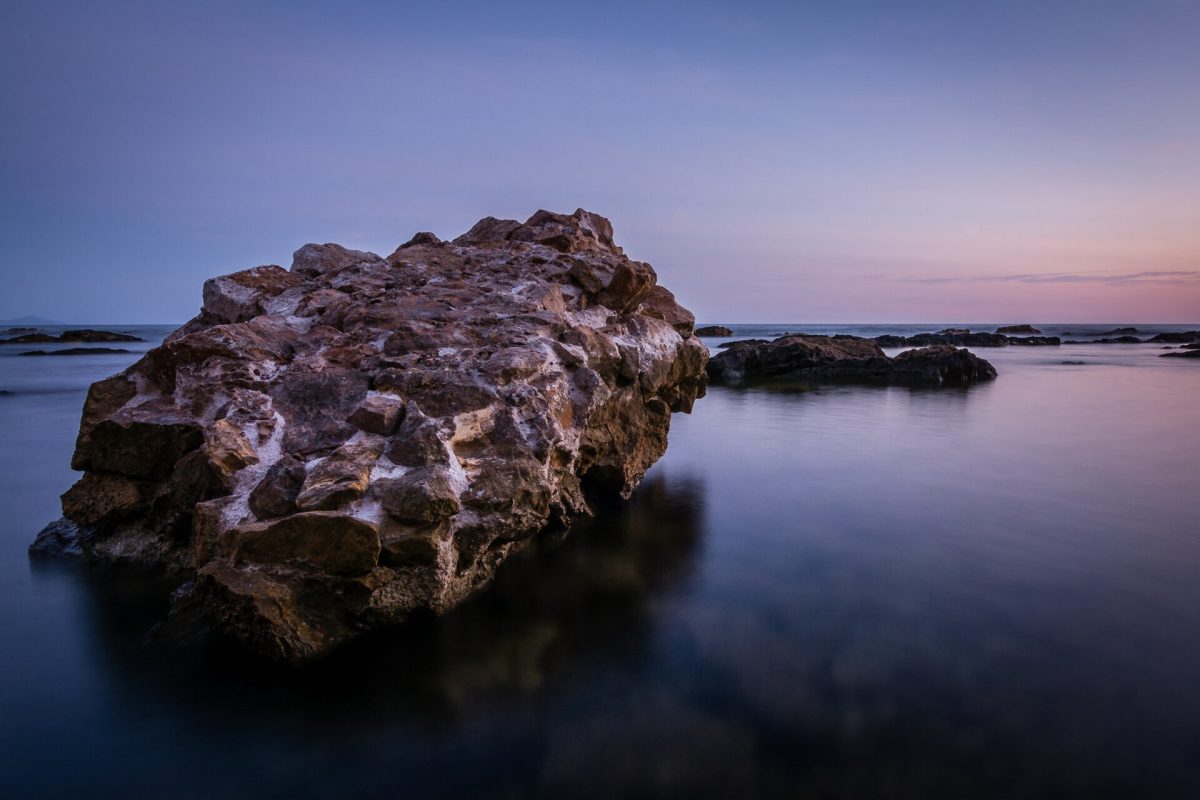
The bays are the real reason to come. Cala di Volpe, Capriccioli, Romazzino and the long beach at Liscia Ruja are shapes most people know only from photographs full of anchored boats. In November you may have one of them to yourself, with smooth granite boulders running down into water that keeps its clarity long after the summer warmth has left it. To the north lies the Maddalena archipelago, a national park of granite islands and channels. Anchoring and landing there are tightly controlled and some beaches are closed to visitors altogether, so check the park's current rules before setting out.
The weather decides everything. The mistral, the maestrale, is the defining wind of this corner of Sardinia, and in winter it can blow hard from the north-west for days at a time, raising a short, steep sea in the Strait of Bonifacio. Between those spells come still, bright days with a low sun and hardly a breath of wind. Those are the days to be out.
Noon on a calm day
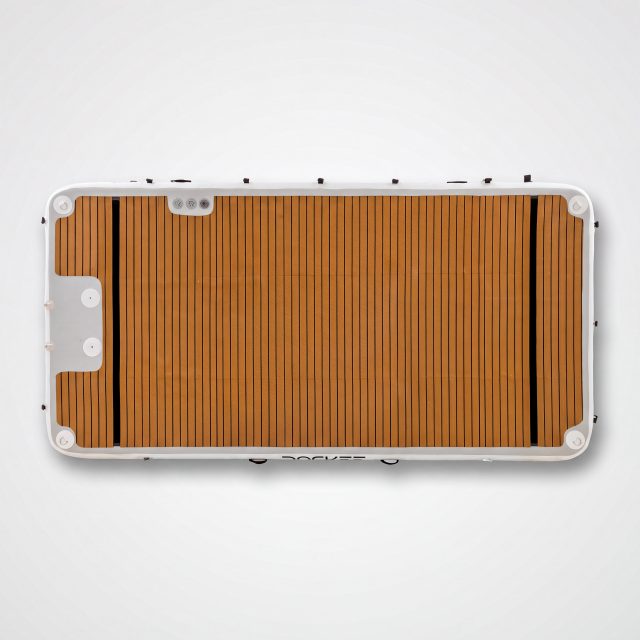
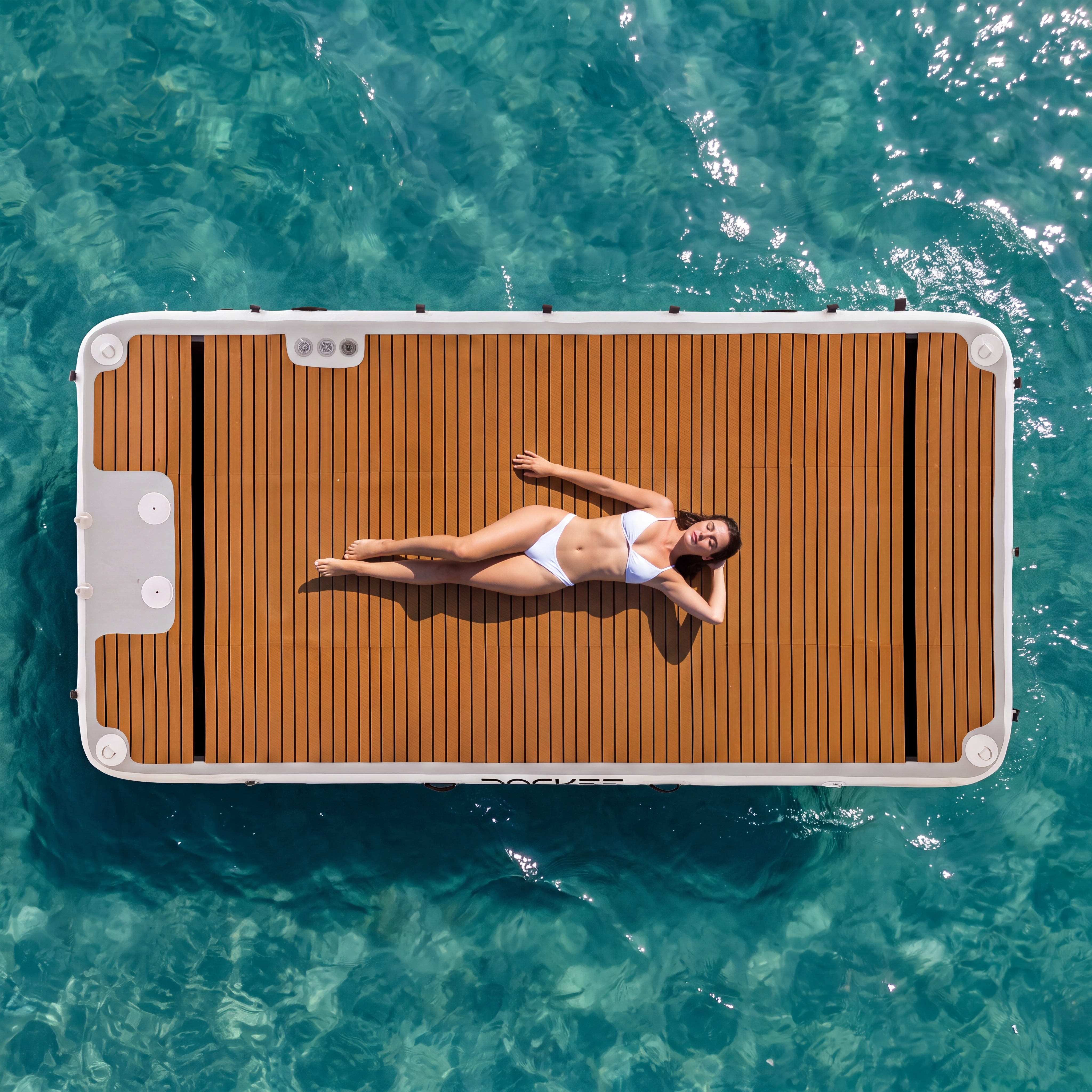
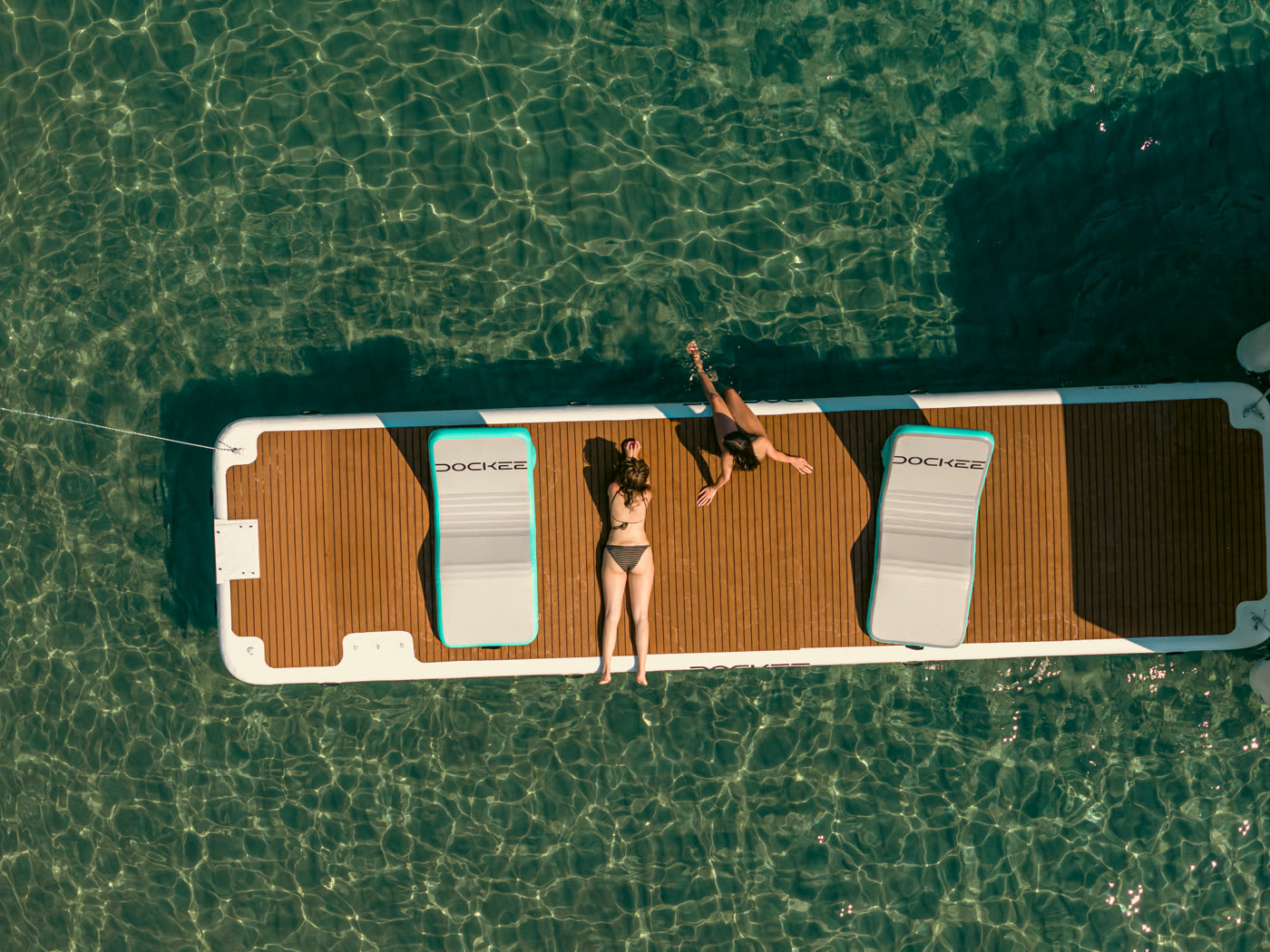
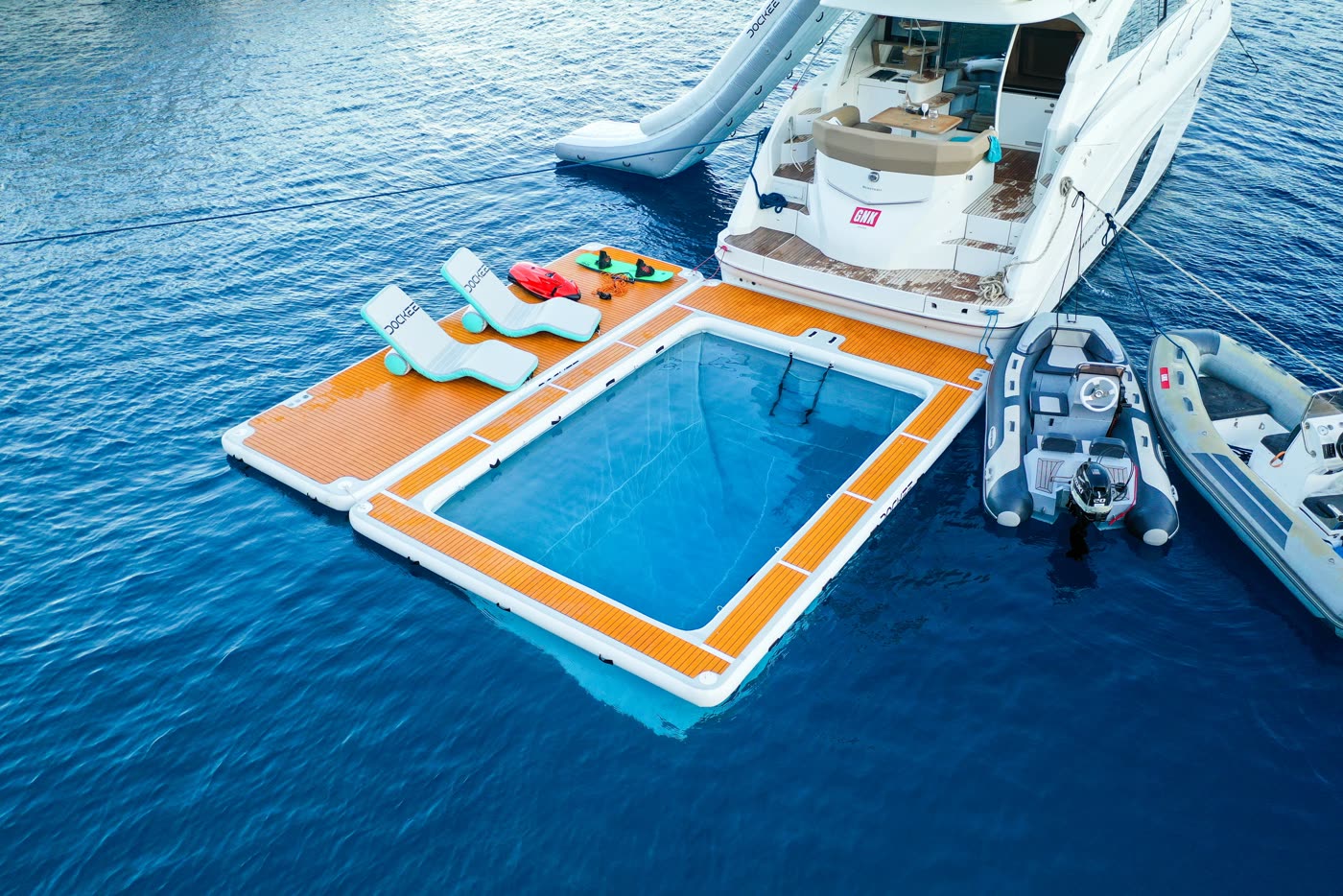
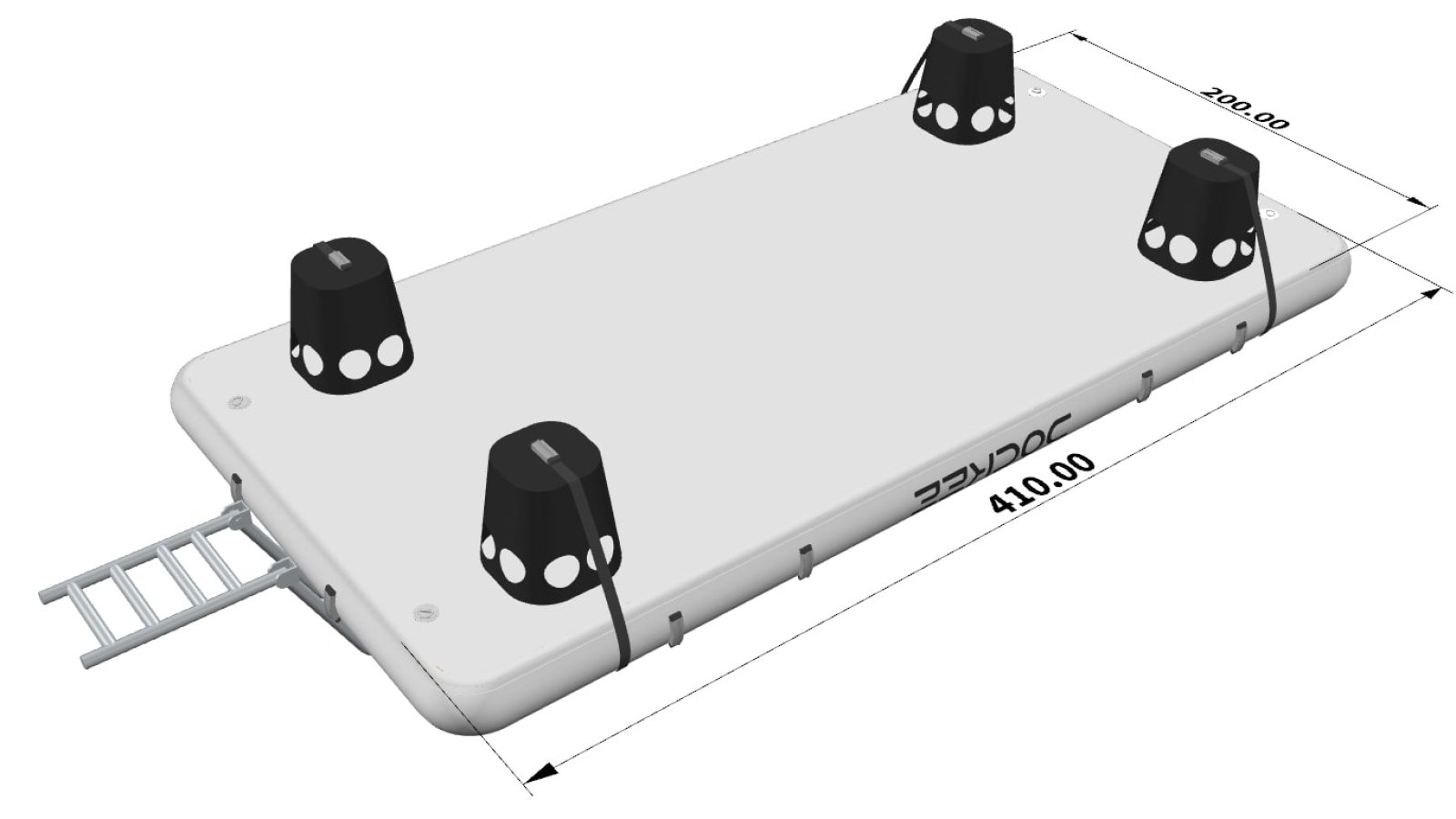
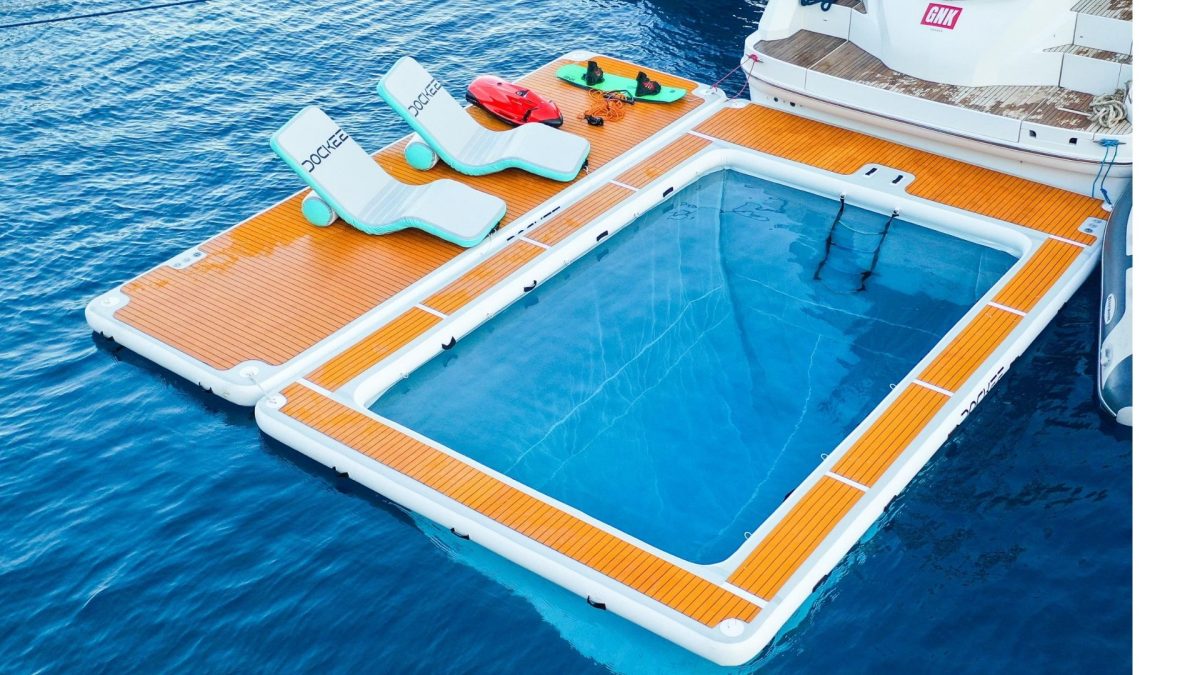
On one of those still days, anchor in a sheltered cove around midday, when the sun is at its warmest, and put a floating deck in the water. A Premium Teak Platform 4.10 m puts 410 x 205 cm of deck at water level, room enough to spread out towels and a picnic. Drop-stitch fabric and reinforced PVC keep it flat and firm, and the non-slip teak-look surface takes a day of sun and salt with nothing more than a rinse before it is packed away.
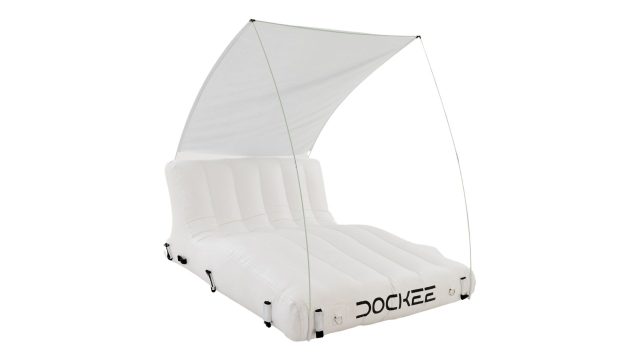
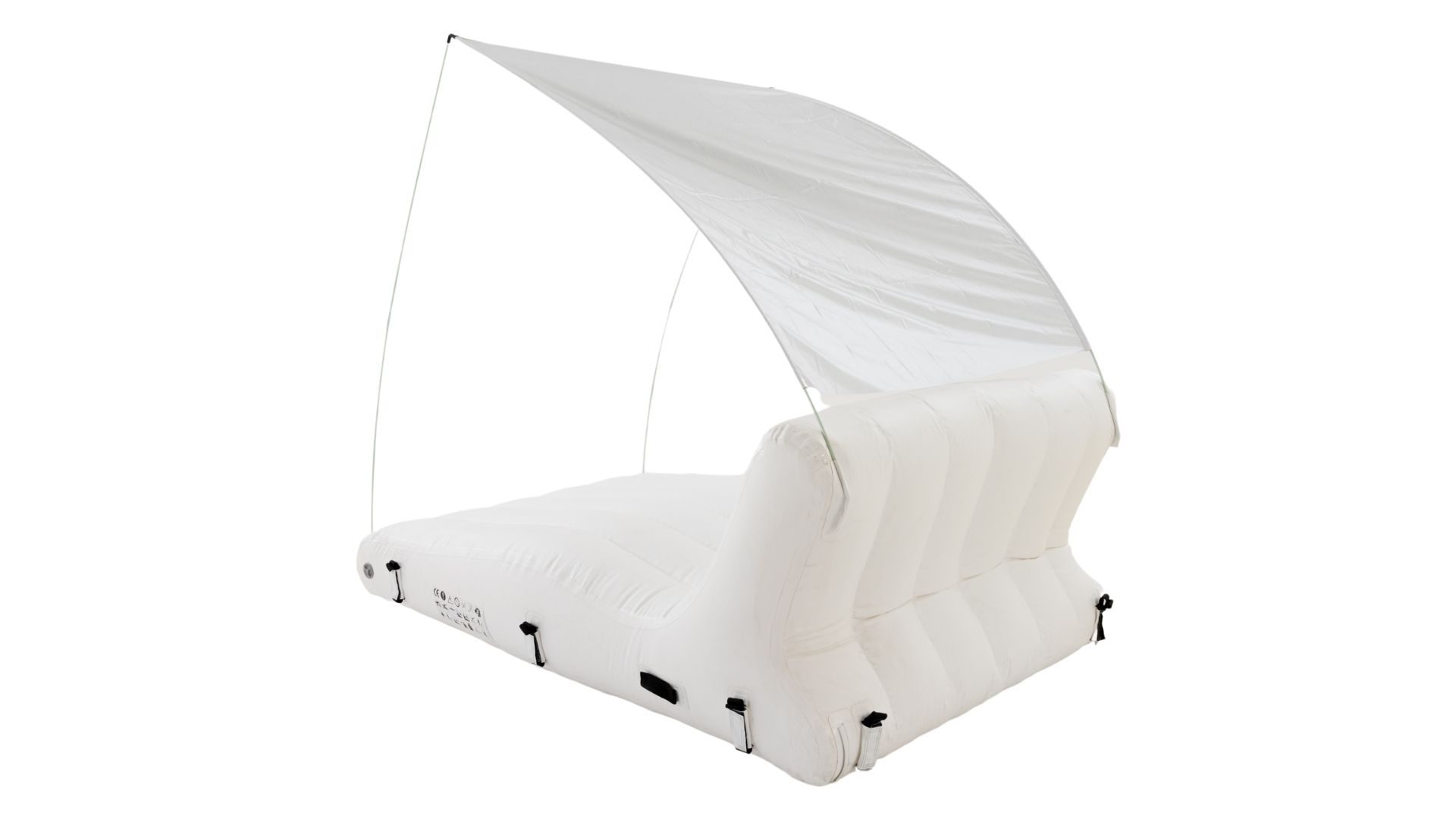
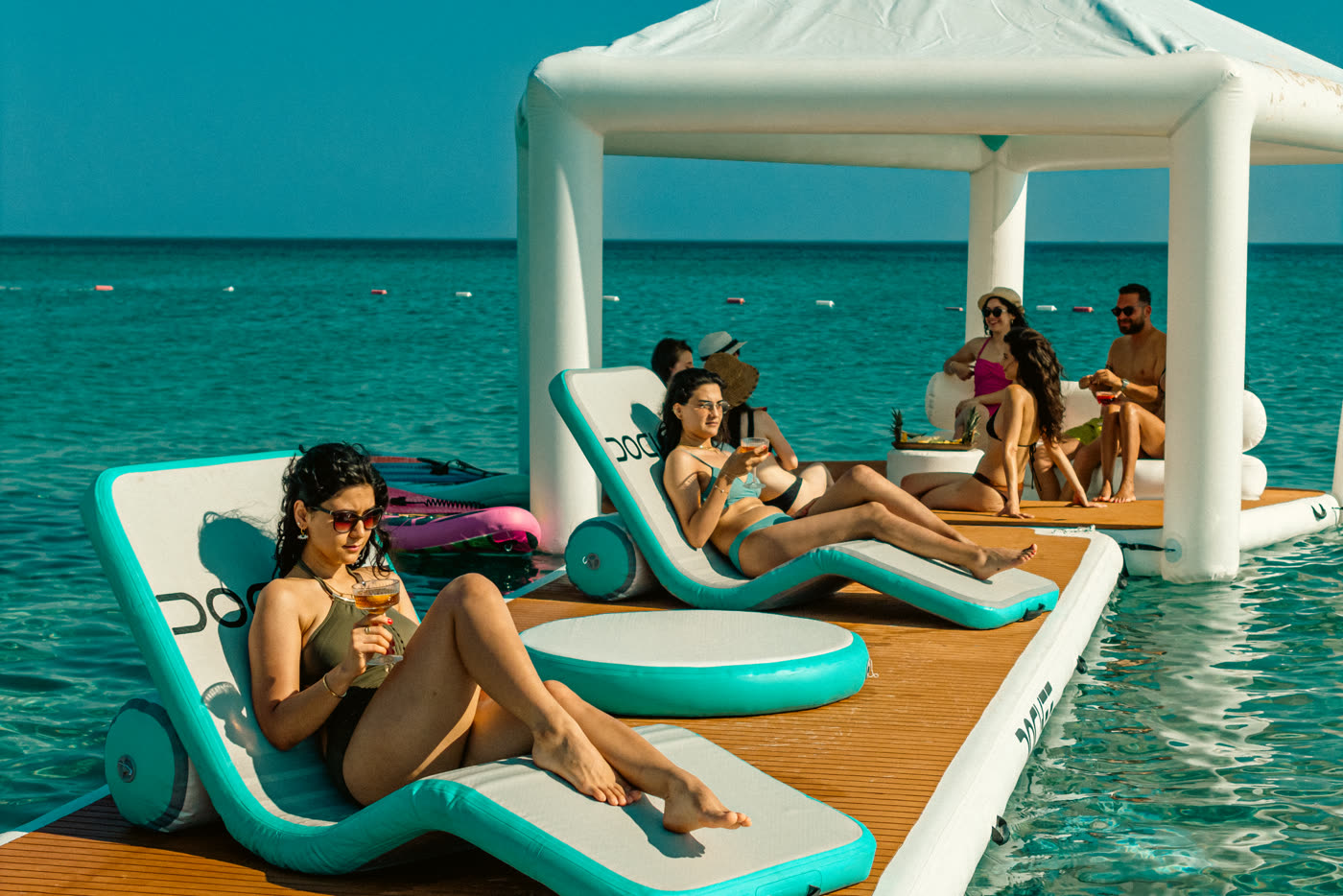
Up on deck, a Twin Luxe Daybed of 220 x 150 cm is the place for the slow part of the afternoon, with a jacket to hand if the breeze has an edge. The sea in November is bracing and most people manage no more than a quick dip, but if anyone does go in, stop the engines and thrusters first and keep one person on deck with eyes on the water.
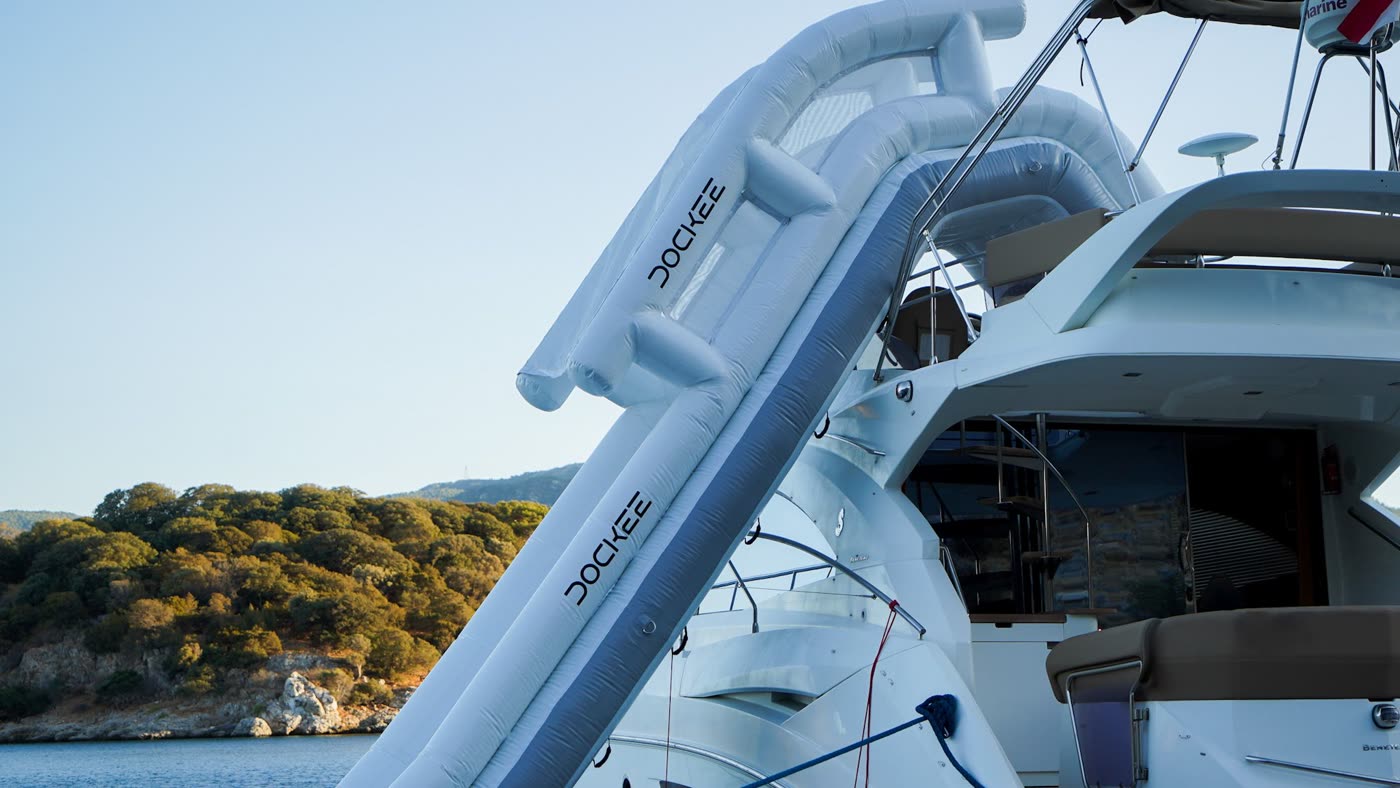
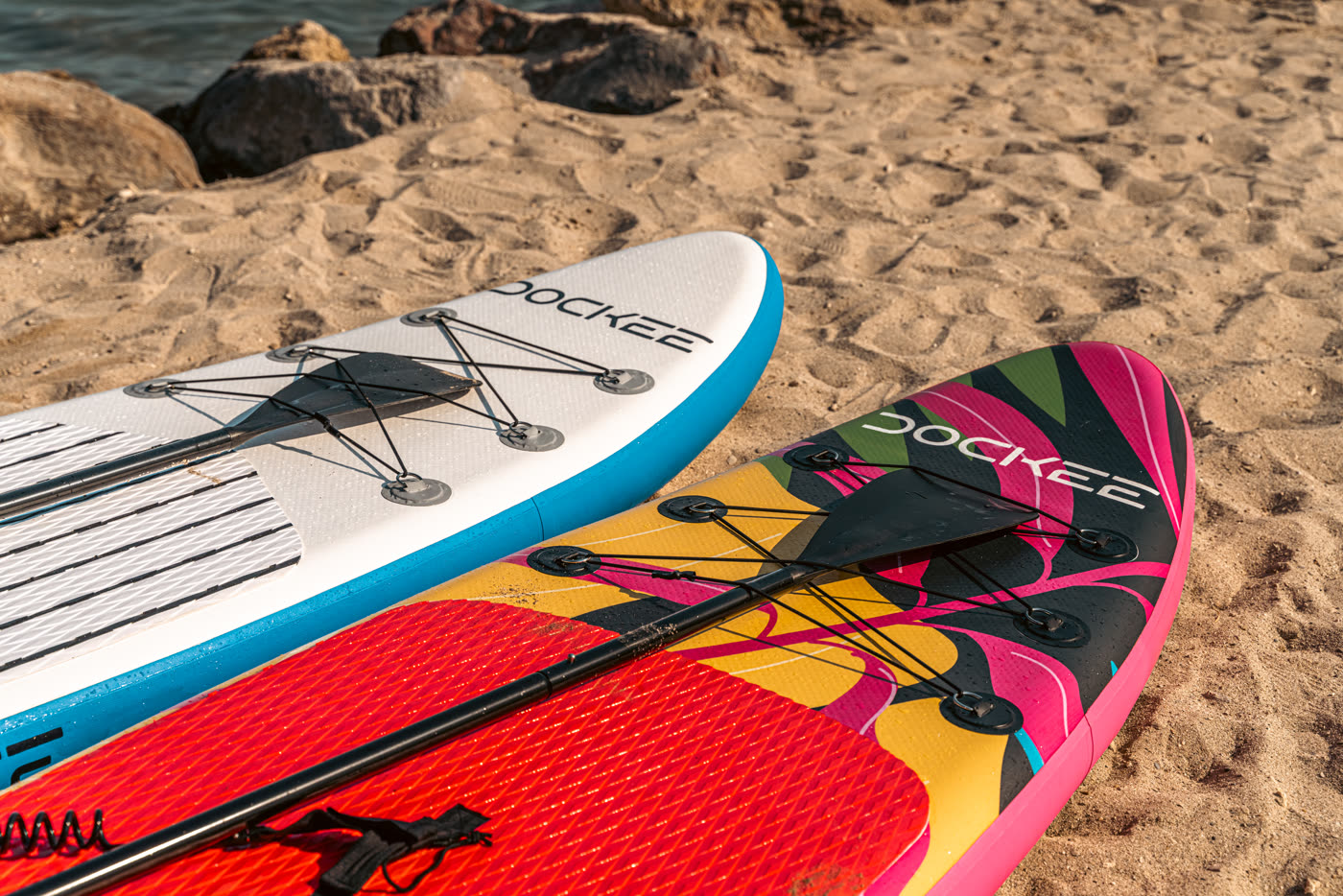
The other floating platforms and the air sofas and chairs work on the same idea, and everything here deflates into a bag that fits a yacht's lazarette when the mistral comes back.
Who the off season suits
It suits owners who keep a boat in Sardinia through the winter, crews on yachts laid up in Porto Cervo or Olbia, and anyone who would rather see a famous coast without its reputation standing in front of it. It does not suit anyone who wants nightlife, reliable sunshine or every restaurant open. Come with a loose plan, watch the forecast for gaps in the mistral, and ring ahead before walking up from the quay for dinner.
Photo credits
- R J, CC BY 3.0, Wikimedia Commons