Wintering in Sicily suits liveaboard crews because it pairs a mild winter, by European standards, with marinas that have real communities of cruisers, such as Marina di Ragusa and Licata on the south coast, and a city like Palermo within reach. Between the winter fronts come long spells of sun and flat water, so the boat stays a home rather than a shape under a cover.
Crews who have wintered there before tend to judge a berth on a handful of practical points: shelter, company, supplies, and what you can do with a calm morning in January.
Why Sicily for the winter
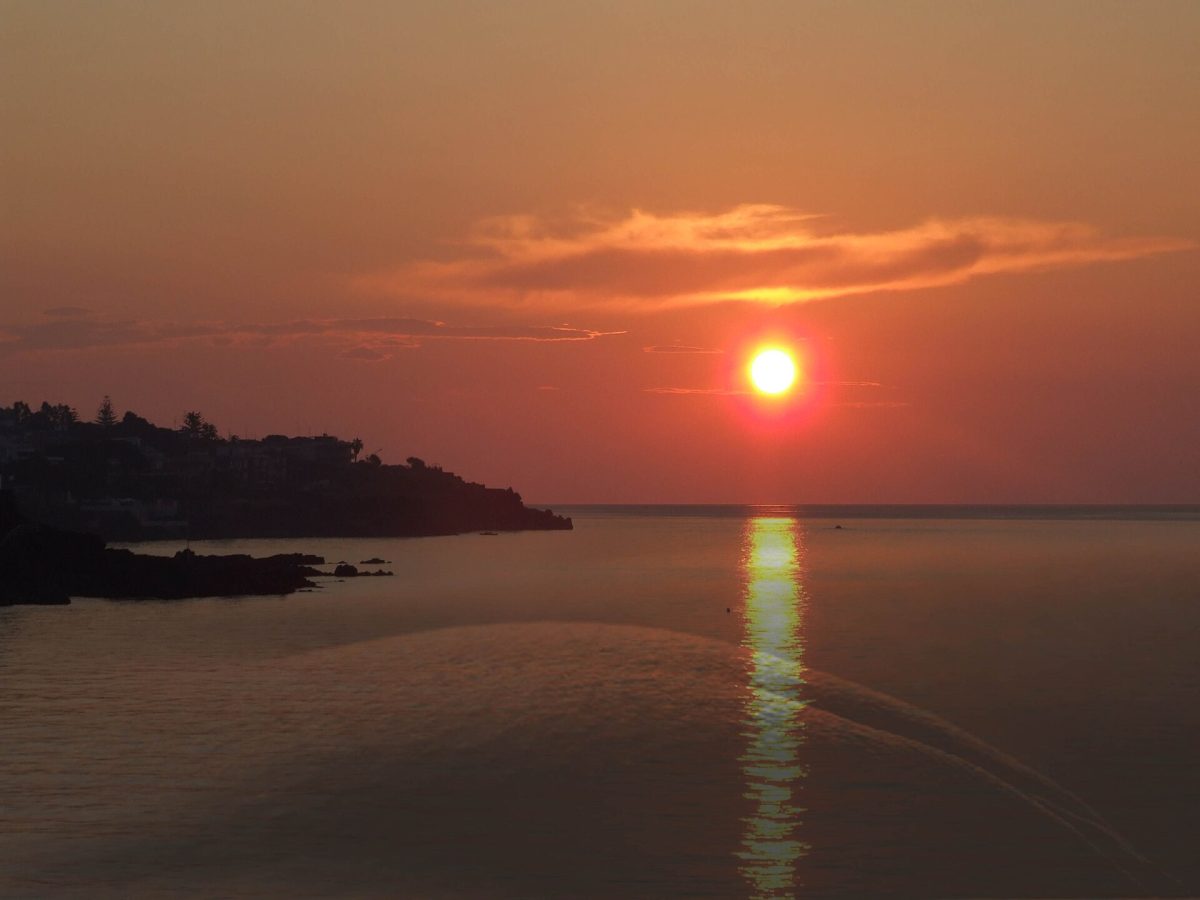
Sicily sits far enough south that the winter is short on frost and long on light. The south coast faces Africa and is sheltered from the cold northerly winds that sweep the Tyrrhenian side, so the days between fronts are often warm enough to eat lunch in the cockpit. It is not the tropics. Winter storms are real, the scirocco brings warm, dusty air and a heavy swell, and a berth with good protection is worth more than a view.
The island also works as a base for the season after. From the south coast, Malta is within easy reach and the way east to Greece is open when spring comes, while the Egadi and the Aeolians are a coastal passage away. Many crews use the quiet months for jobs on the boat while the yards and chandlers have time to talk.
Marina communities
What surprises first-time winterers is the social life. Marina di Ragusa has long been known for its winter community of liveaboards, many from northern Europe, who organise their own get-togethers, shared meals, walks and trips inland to the baroque towns of the Val di Noto. Licata, further west, has a newer marina that has drawn a similar crowd. In both, the town is a short walk away, and you live among Sicilians going about an ordinary winter rather than in a resort.
Palermo is different. A berth in the city puts you close to markets such as Ballarò, the Teatro Massimo and a proper restaurant scene, at the cost of more noise and less of the village feel. Some crews split the winter, spending the darkest stretch in the city and moving south as the days lengthen. Whatever you choose, talk to crews who have wintered there, and confirm the marina's arrangements for long stays directly with the office.
Calm winter days on the water
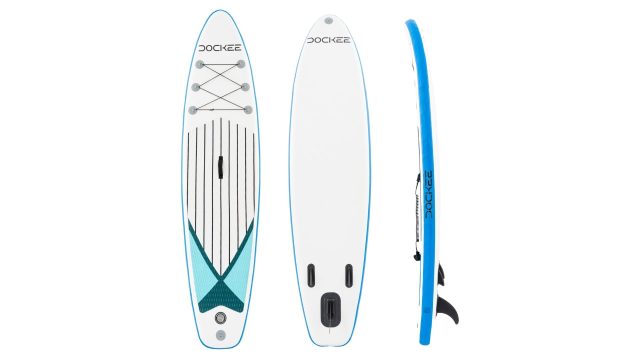
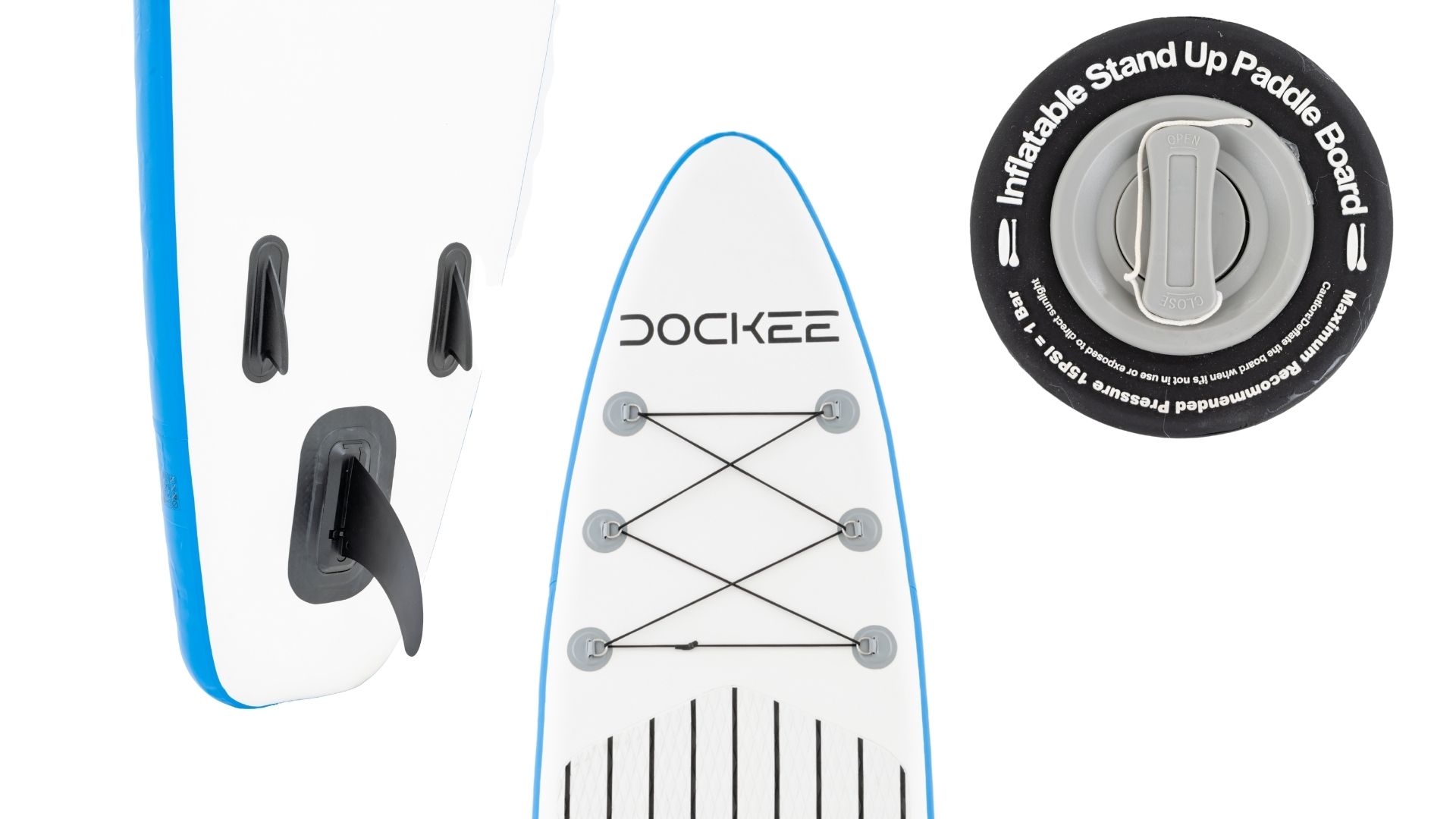
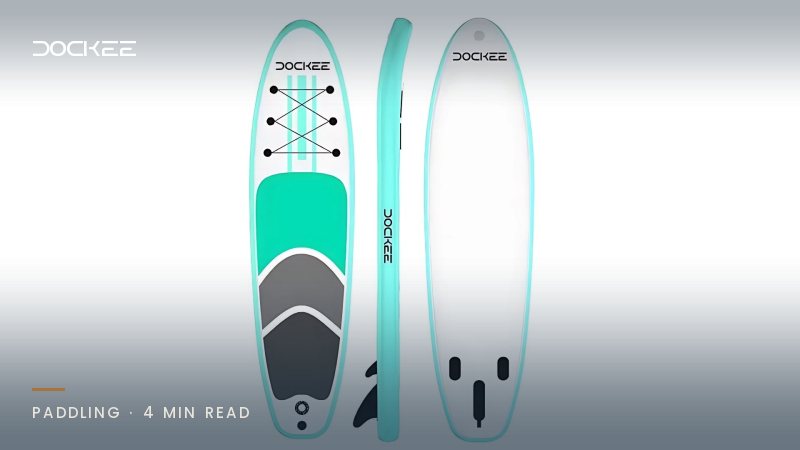
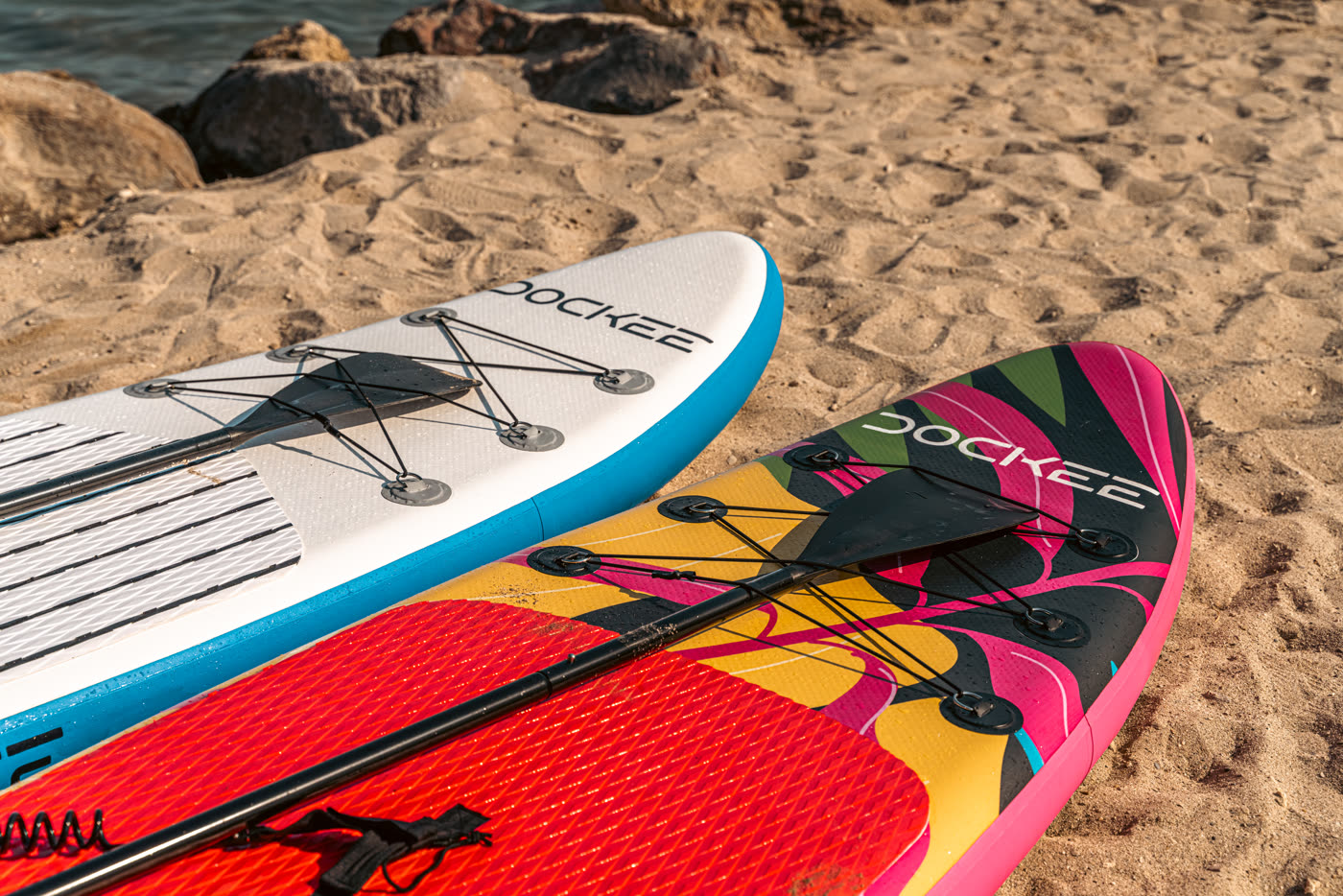
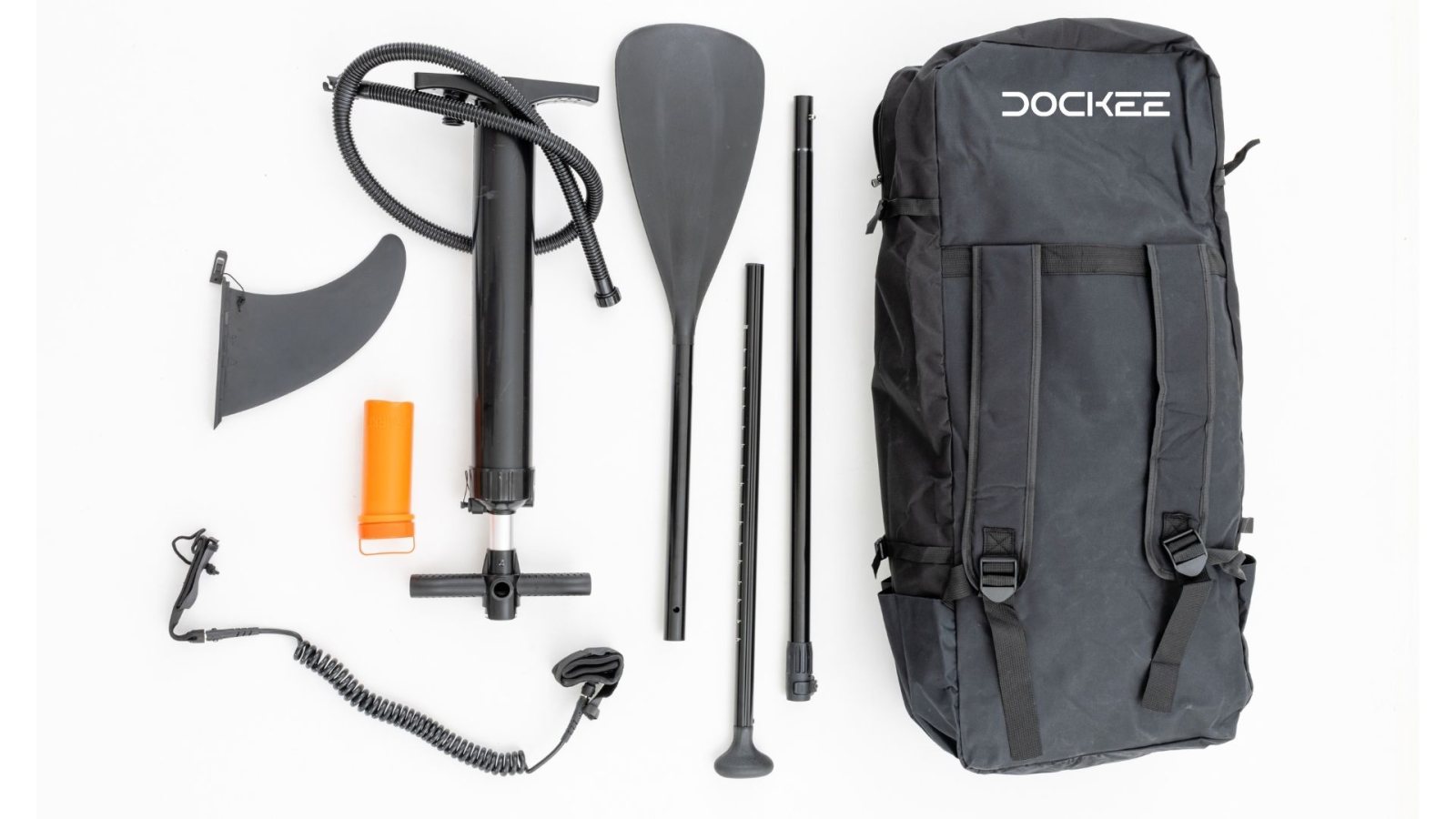
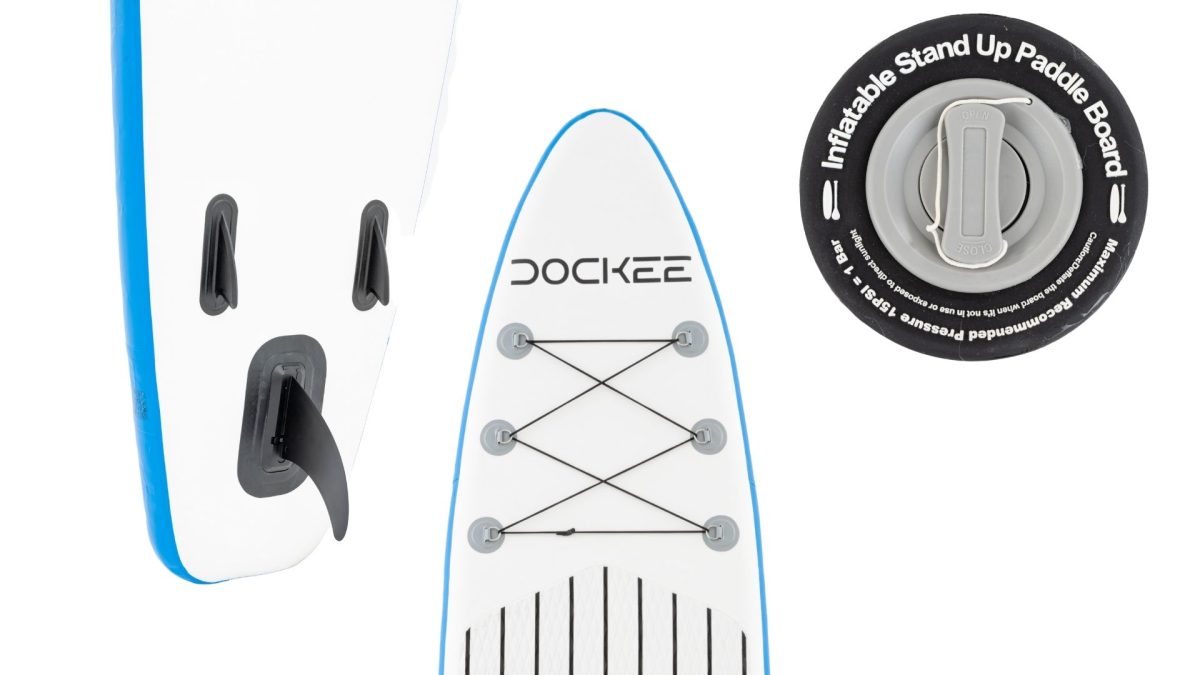
The best Sicilian winter days are still and bright, and they are made for getting off the boat. One of our paddle boards is the easiest way to do it. The Mariner 10’6” SUP Paddle Board measures 320 x 80 x 15 cm inflated and can stay rolled in its bag for long stretches, then come out on a calm morning for a paddle along the breakwater or round to the next beach. Wear a wetsuit, stay close and keep to sheltered water. The winter sea is colder and less forgiving than the summer one, and the weather can turn within an afternoon.
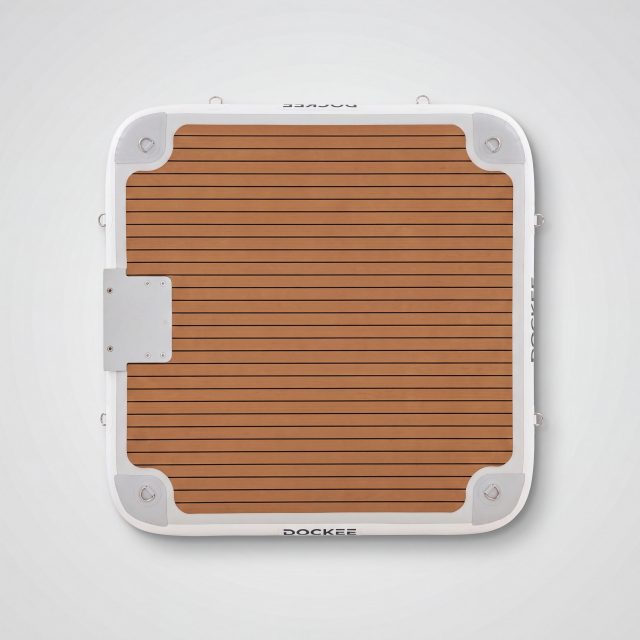
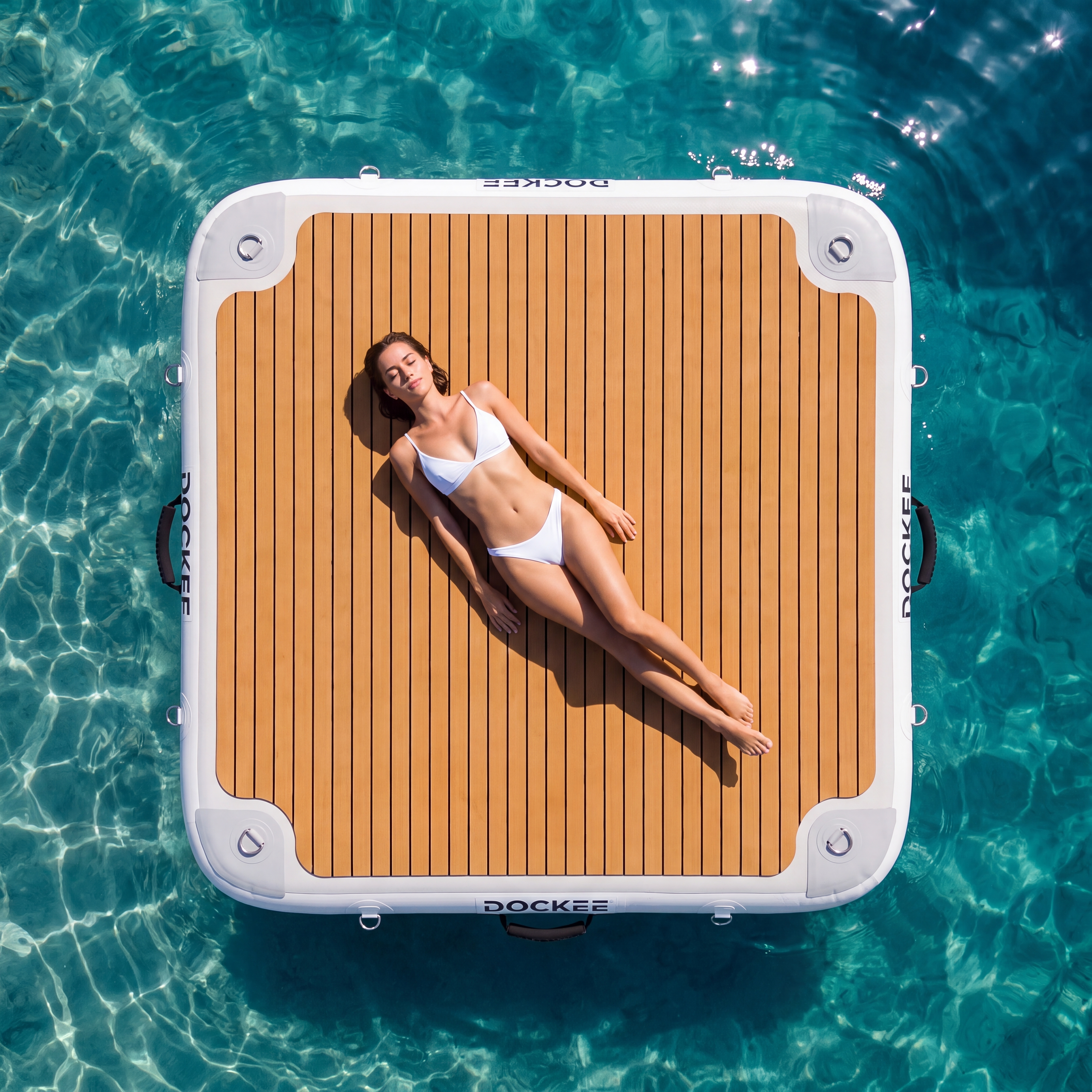
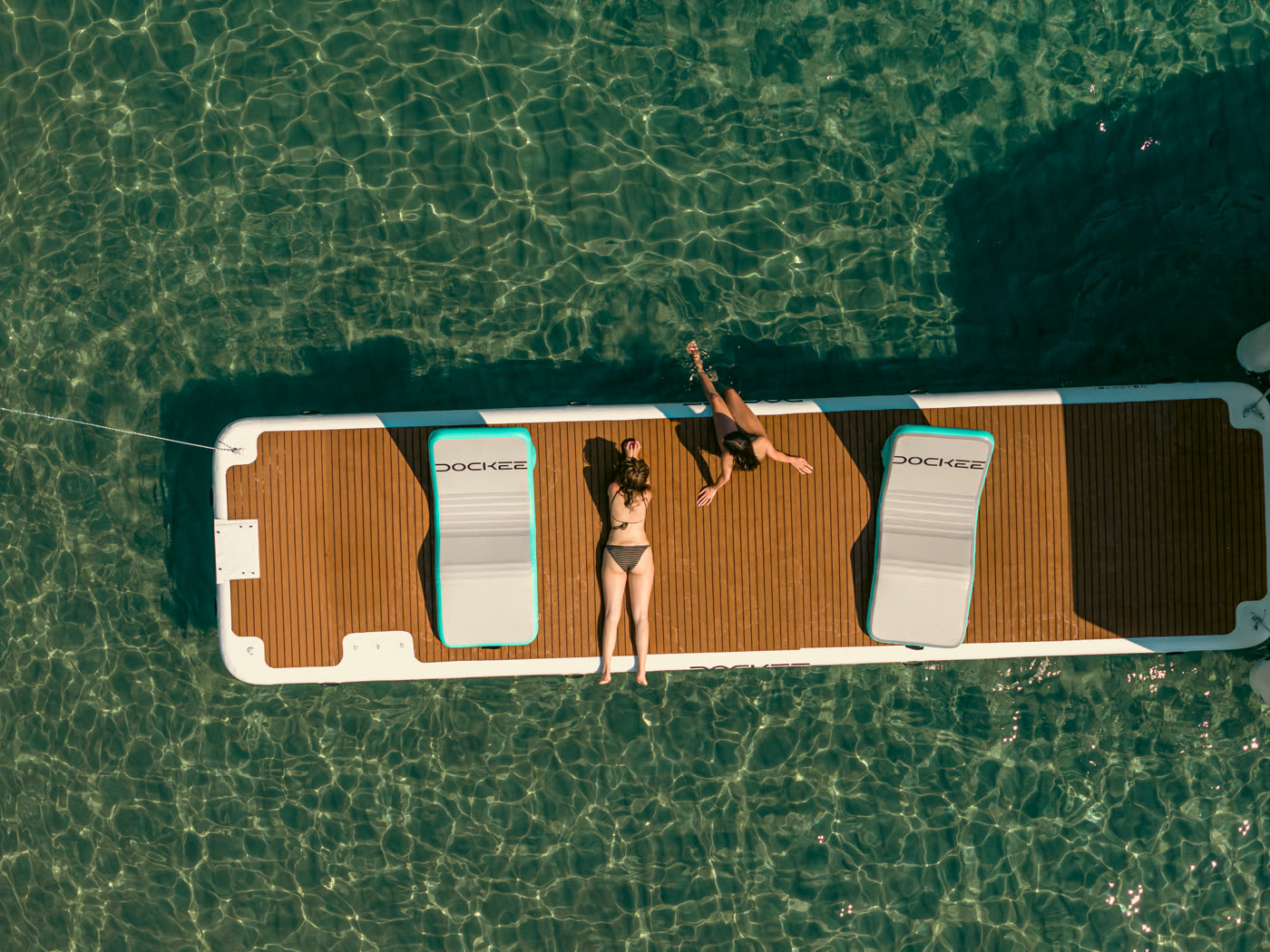
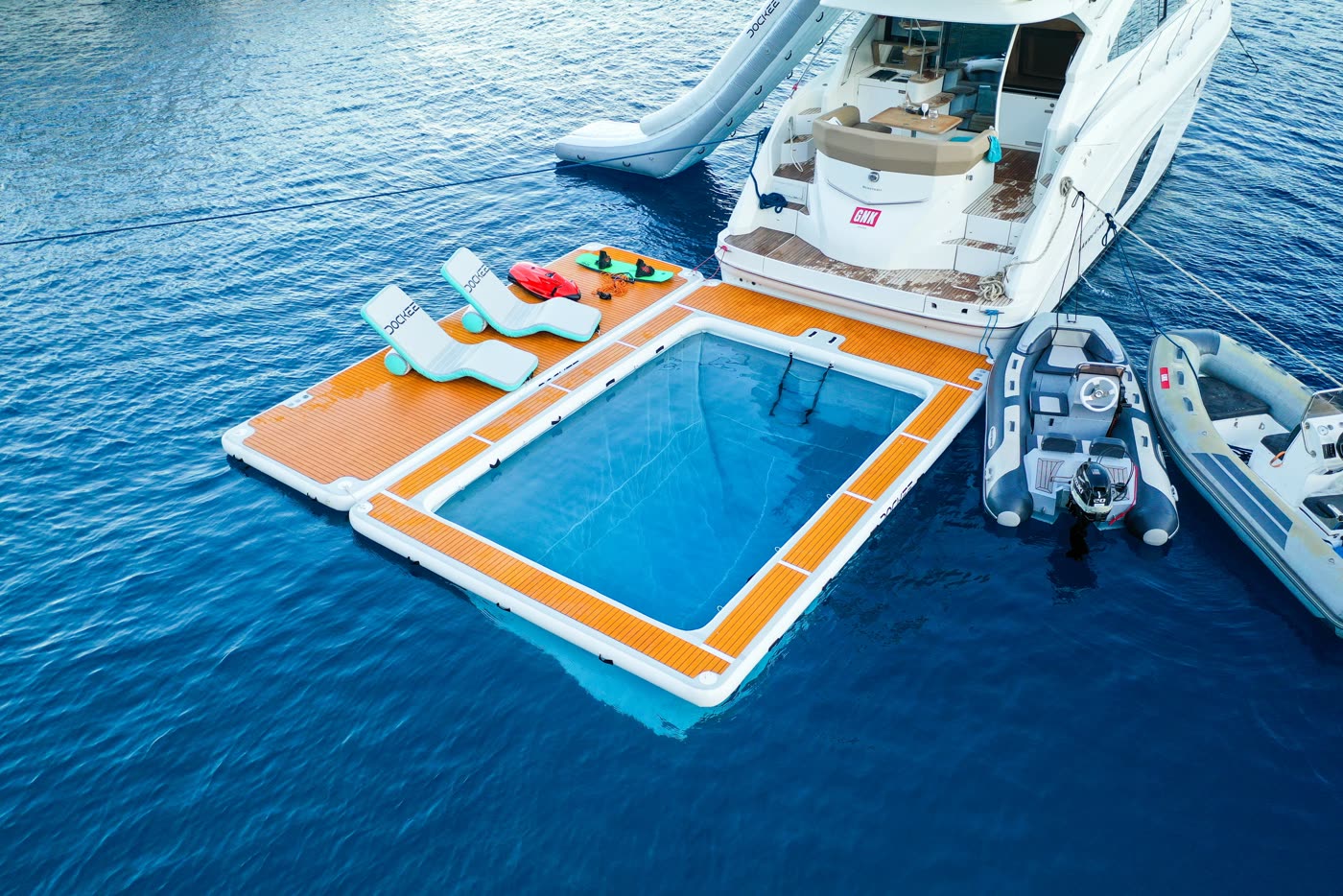
For a day at anchor off the coast, a small deck adds a lot. The Premium Teak Platform 2.05 m is 205 x 205 cm inflated, a size that is easy to handle from the bathing platform. Its non-slip teak-look surface grips even when wet, and on a warm January afternoon it gives you a seat at the water's edge with a coffee. Check the marina rules before you inflate anything at the berth, since many marinas expect the water between the pontoons to stay clear.
Winter is also hard on gear that sits unused. Rinse boards and decks with fresh water after every outing, let them dry completely before they go back in the bag, and keep them out of the sun and away from sharp edges in the lazarette. The care section of our buying guide has the rest. A board that goes away clean in January is ready for the first passage of spring.
Photo credits
- gnuckx, CC BY 2.0, Wikimedia Commons