Nervi, just east of Genoa, on a still morning at the end of October. The promenade above the sea is full of dog walkers, and below it a man in rubber rock shoes and a faded cap is lowering himself into the water from a shelf of grey stone. He has plainly done this all his life. He swims out, turns, floats on his back for a while, then comes back to the one place where the rock forms a rough step. Swimming off the rocks is how much of the Italian coast goes into the sea, and the part he has worked out, after all those years, is the way back out.
Why Italians swim from the rocks
A great deal of this coastline is not sand at all. Liguria is cliffs and coves, the Amalfi Coast and Capri drop straight into deep water, and in Salento the limestone runs flat into the sea along whole stretches of shore. The word for it is scogli, the rocks, and a summer spent agli scogli means a towel on warm stone, a bottle of water in the shade of a boulder and a swim whenever the heat gets too much.
There are good reasons to choose it. Water off rock is usually clearer than water off sand, because there is no sediment for the waves to stir up. It gets deep quickly, so you are swimming properly within a few strokes. And nobody charges you for a sunbed. What it asks of you is a little skill. You learn to wear rock shoes, to look for sea urchins in the cracks, and to read where the swell is breaking before you pick your way in.
The hard part is the exit
Getting in is easy. You sit on the edge and slide, or you jump if the water is deep and you know the spot. Getting out is where it goes wrong. Rock near the waterline carries a film of weed as slippery as ice, the edges are sharp, and every small wave lifts you up against the stone and then pulls you away again. Grazed knees on this coast tend to come at the very end of a swim, not in the middle of it.
The same problem follows you onto a boat. Anchored off a rocky shore, you can dive from the bathing platform easily enough, but the climb back depends on what the boat gives you. A short fold-down ladder on a high stern leaves you hanging by your arms while your feet search for a rung somewhere underneath. Children find it awkward, older guests find it worse, and anyone who has swum further than they meant to finds it hardest of all. The swimmers at Nervi solve it by knowing their rock. On a boat, you solve it with better steps.
A ladder and a low deck
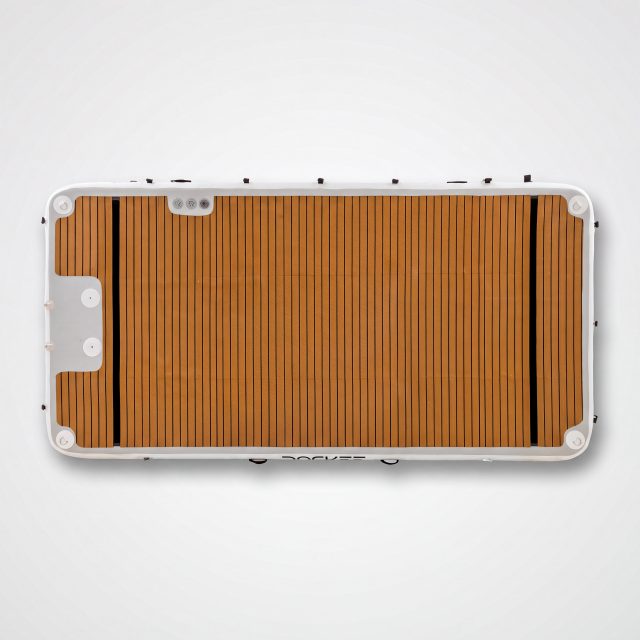
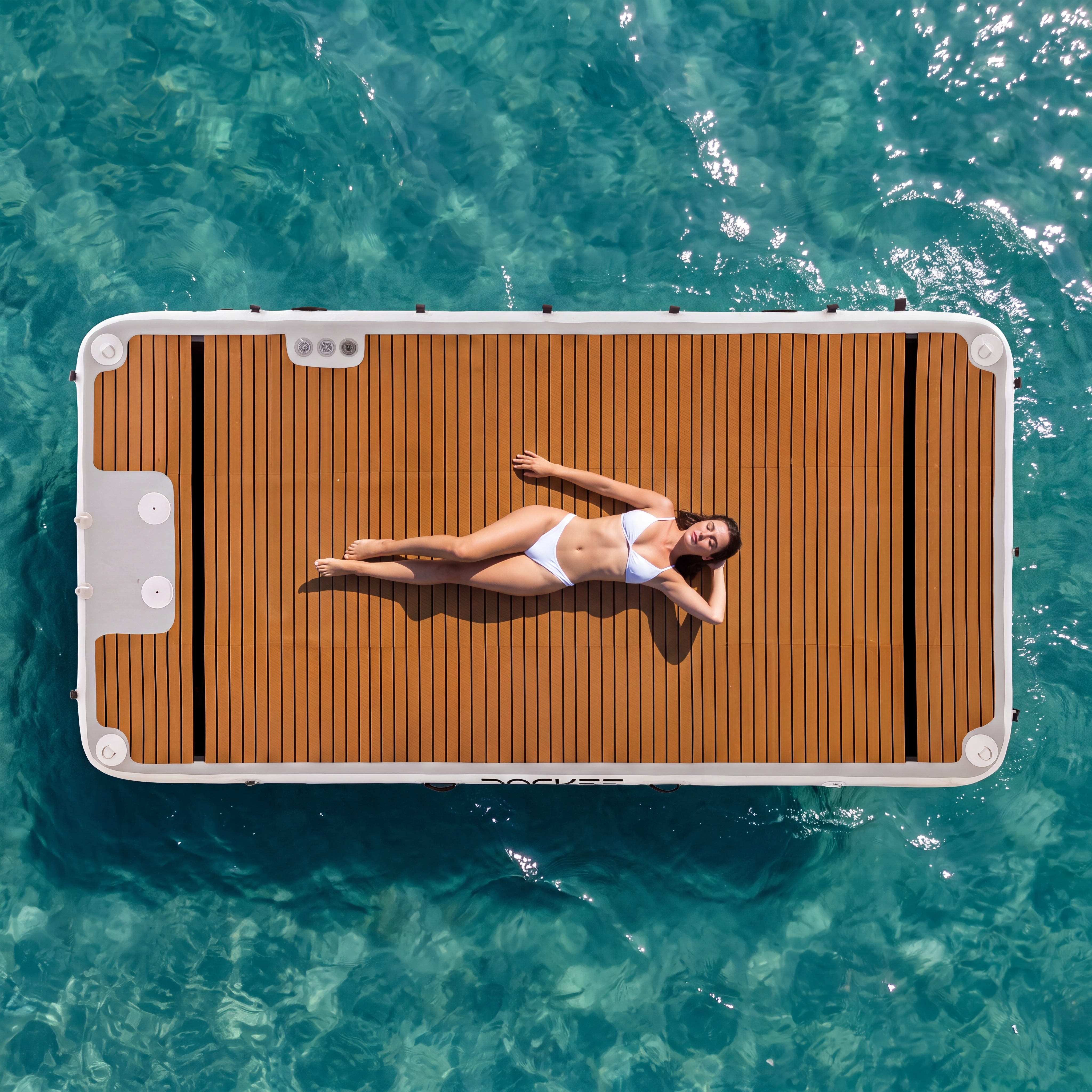
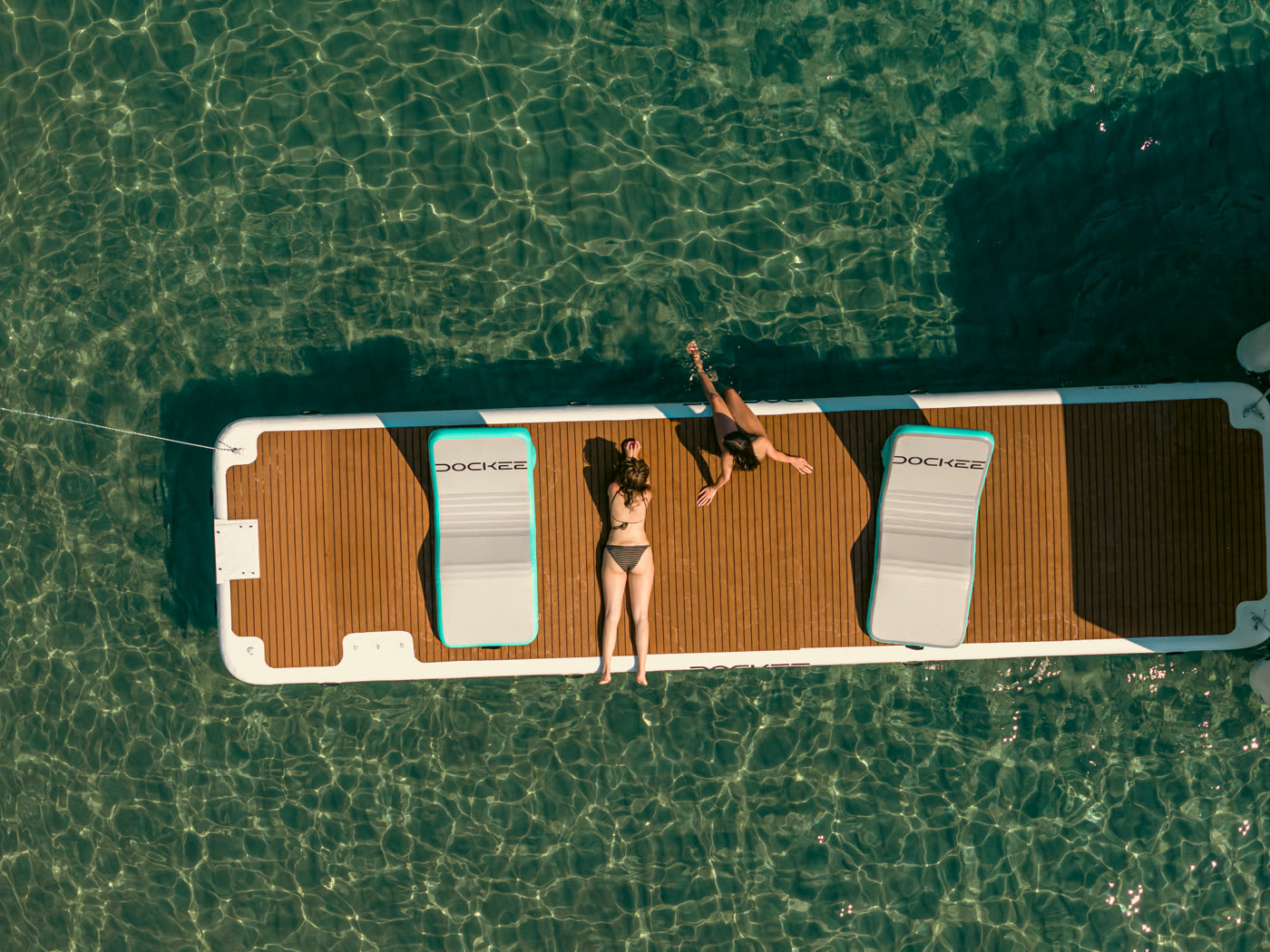
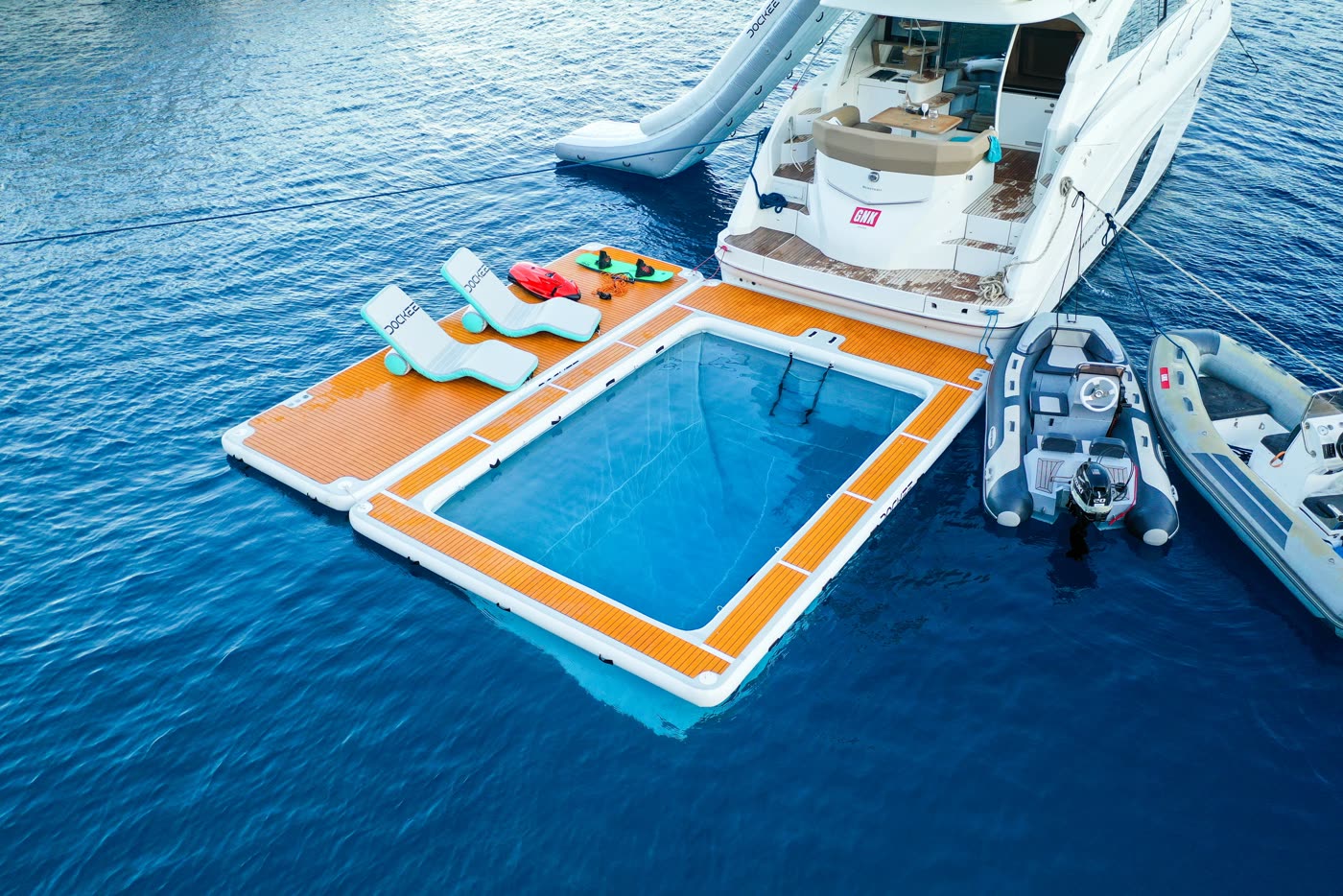
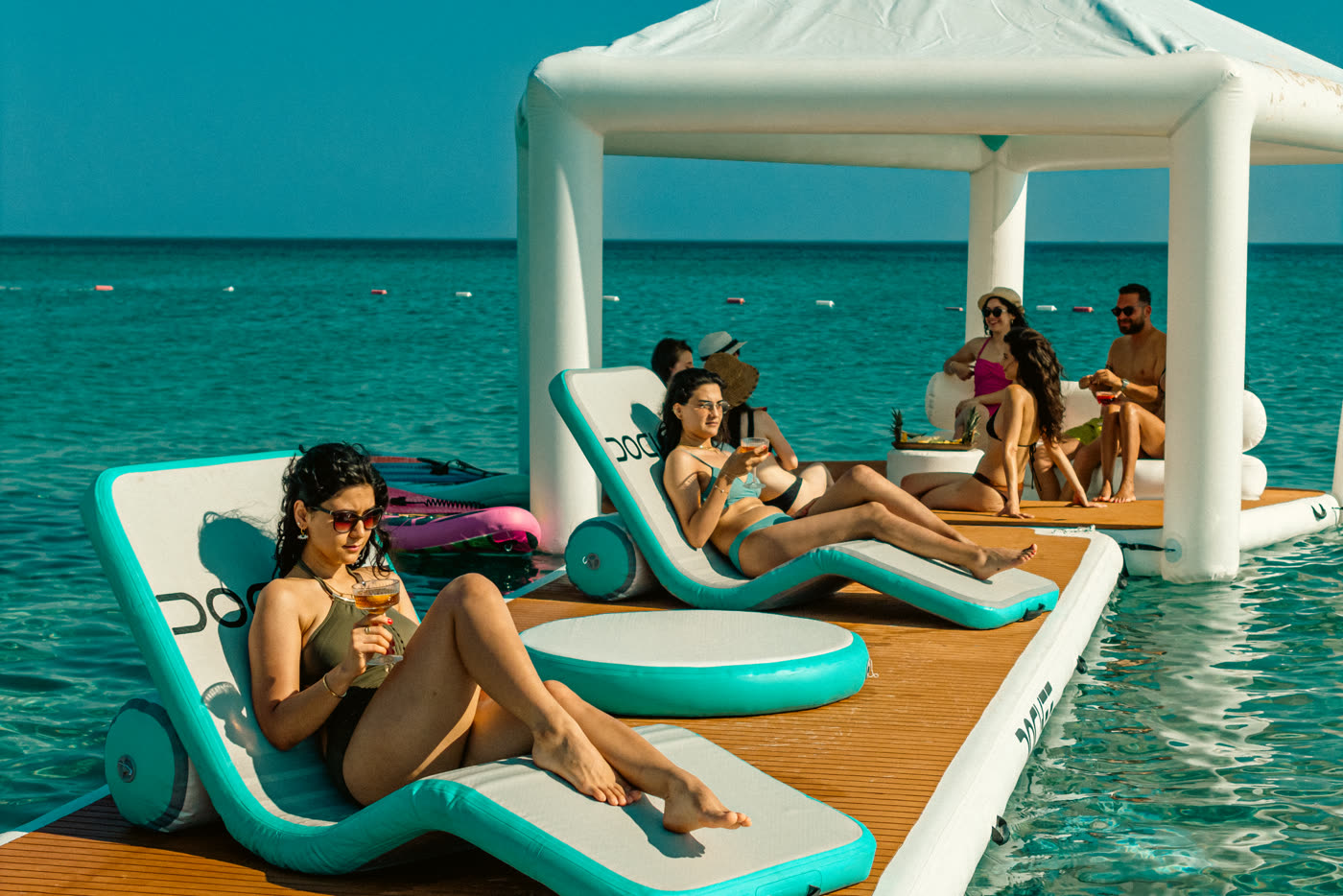
The simplest fix is to bring the deck down to meet the swimmer. A swim platform on the stern helps, but a floating deck alongside does more, because it sits right on the surface. The Premium Teak Platform 4.10 m is 410 x 205 cm, built from 0.9 mm PVC with drop-stitch fabric, with a non-slip teak-look surface, which is not real wood and never needs oiling or sanding. It gives swimmers a broad, steady edge to rest an elbow on, sit and get their breath back before they stand.
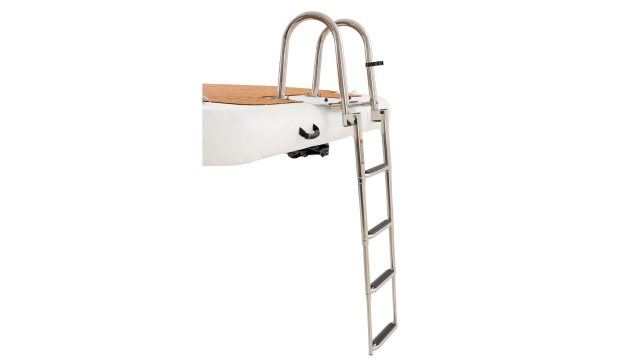
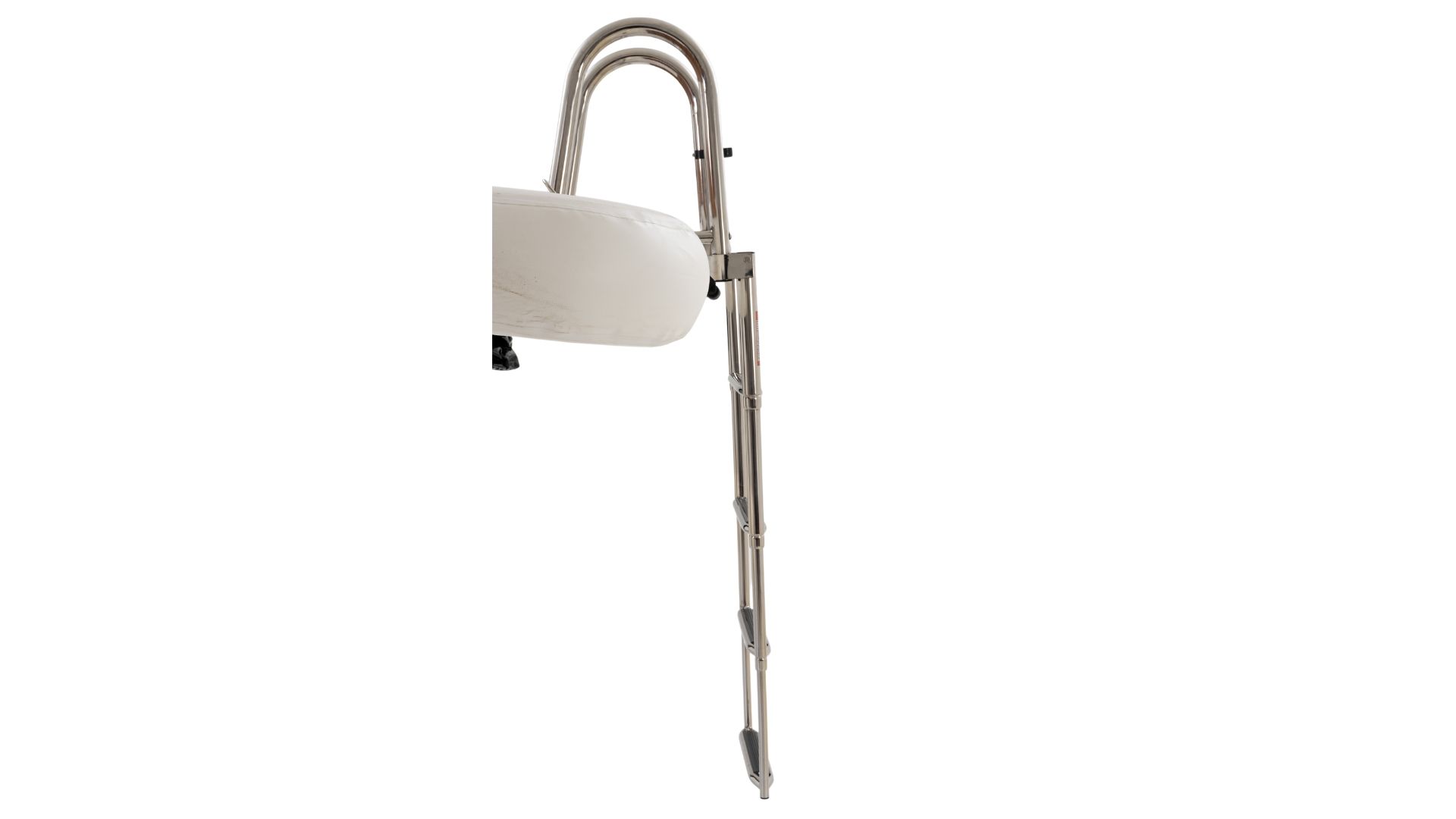
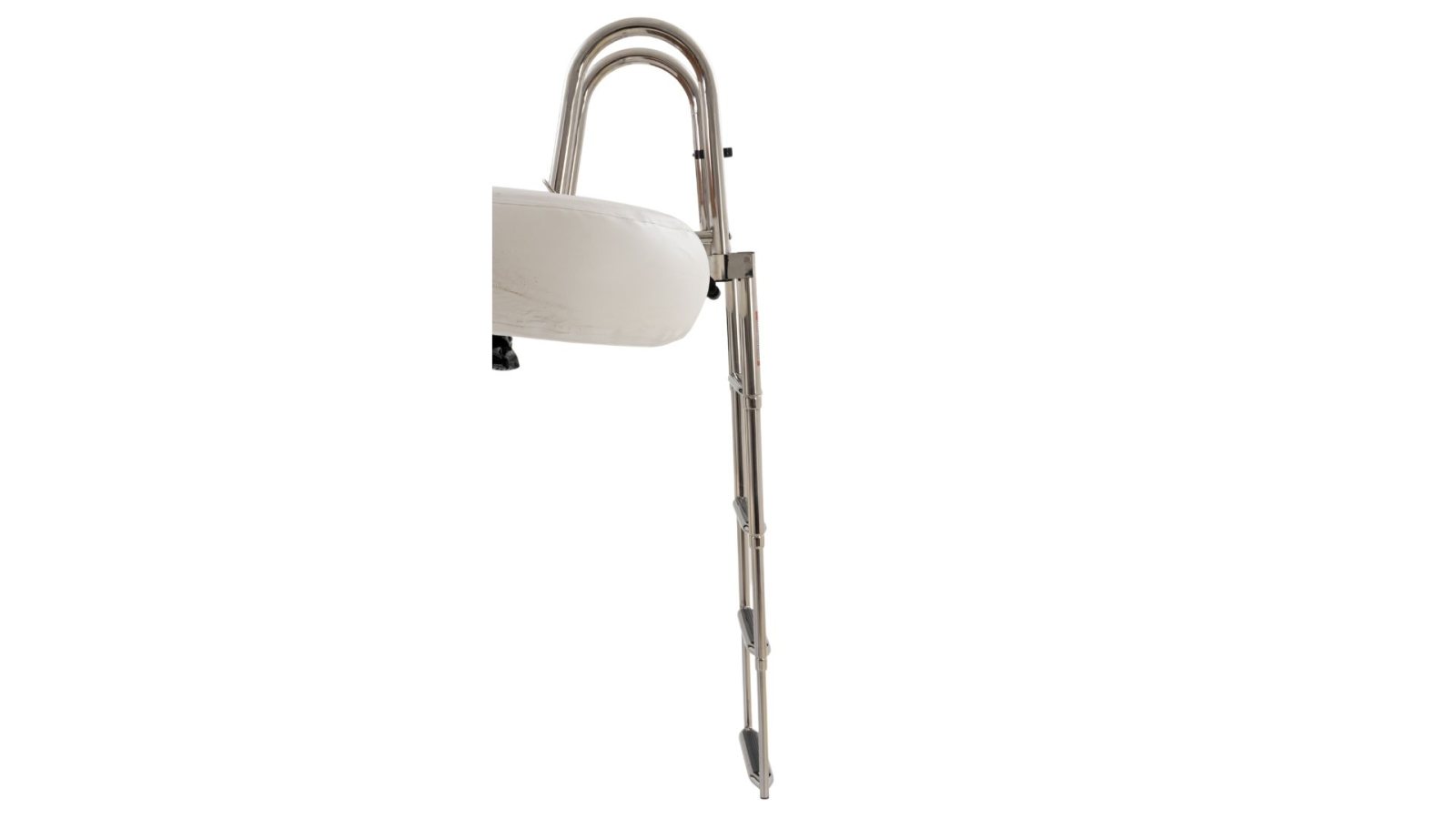
Fitted to the side of that deck, the AquaStair Ladder Set does what the rock step at Nervi does, only better. It has four steps and reaches 95 cm below the waterline, so a swimmer finds a foothold while still floating, rather than hauling up by the arms. You climb with your legs, the way you would on a staircase. The ladder mounts quickly and comes off again for storage, and the rest of our accessories are made to work with the same decks.
A pool with an edge to hold
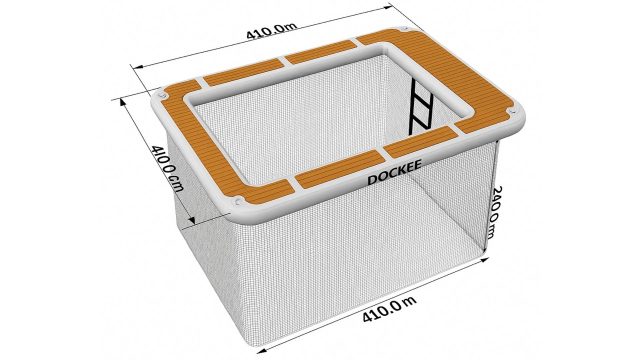
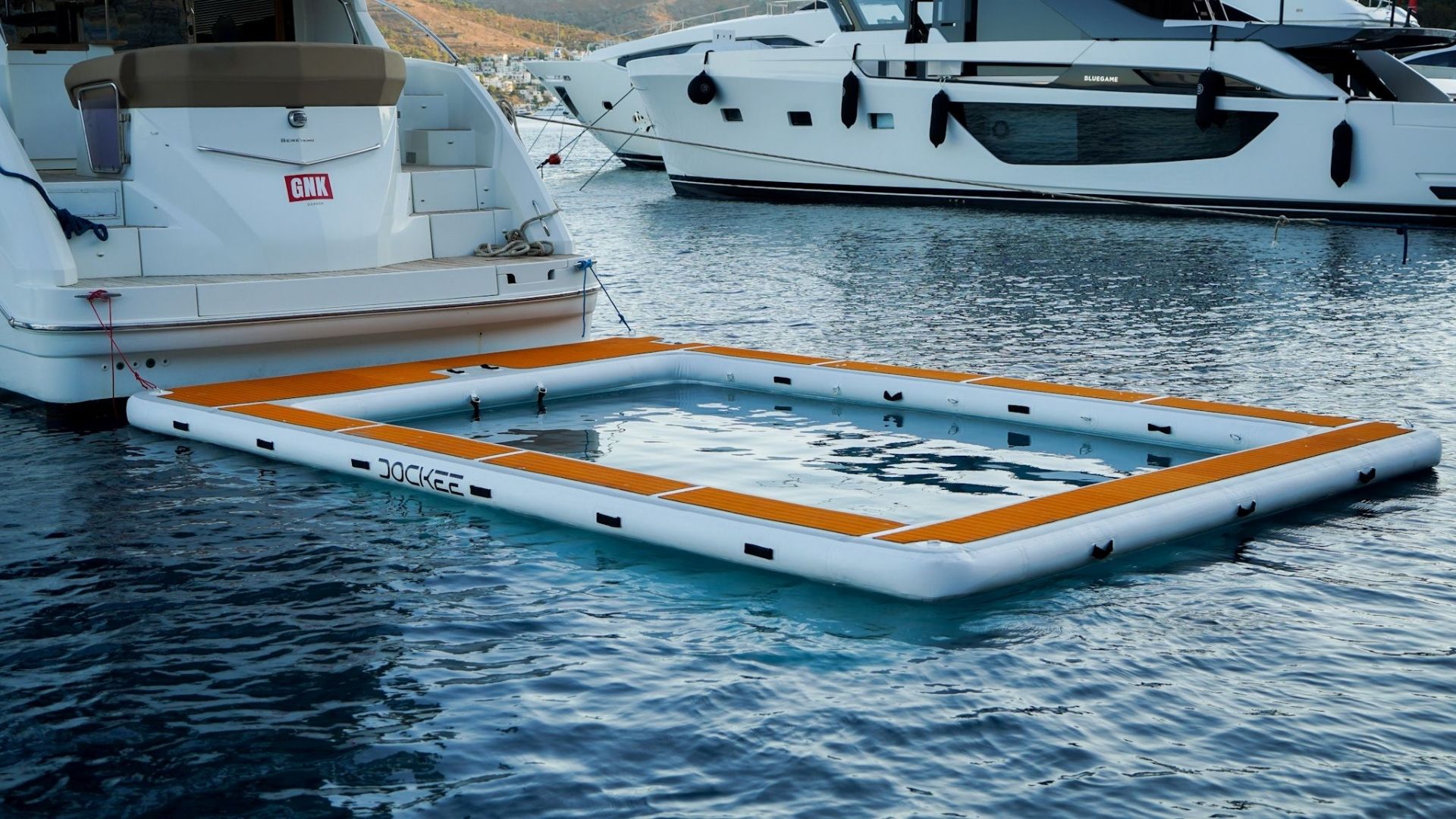
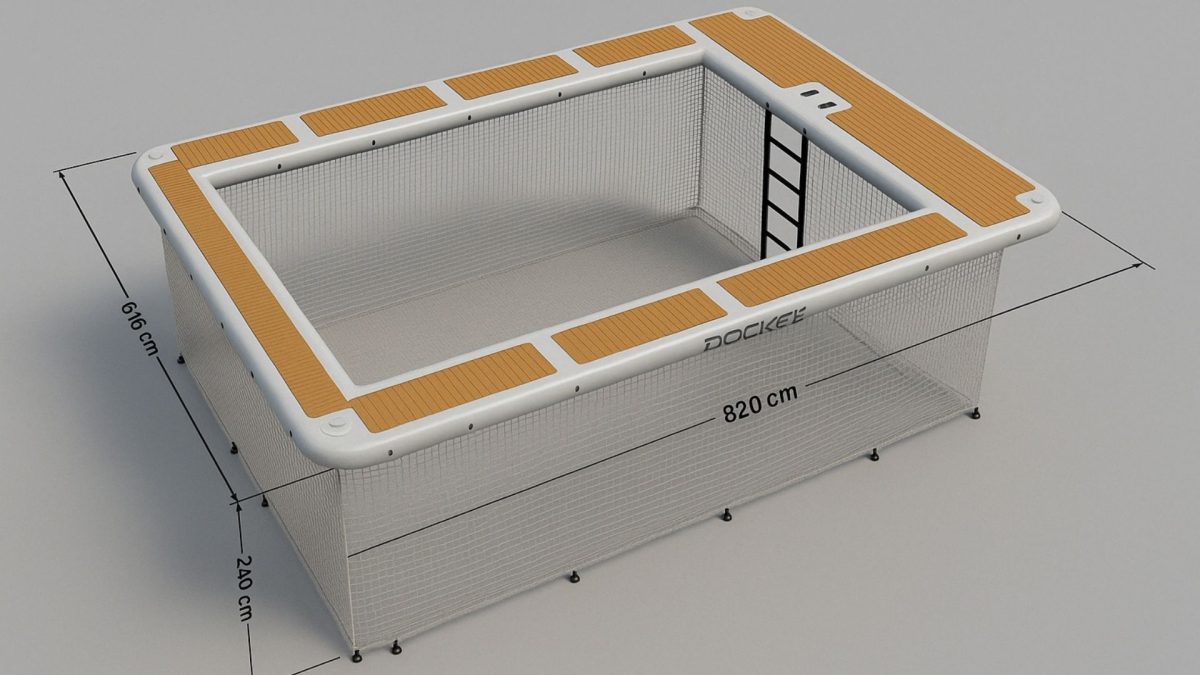
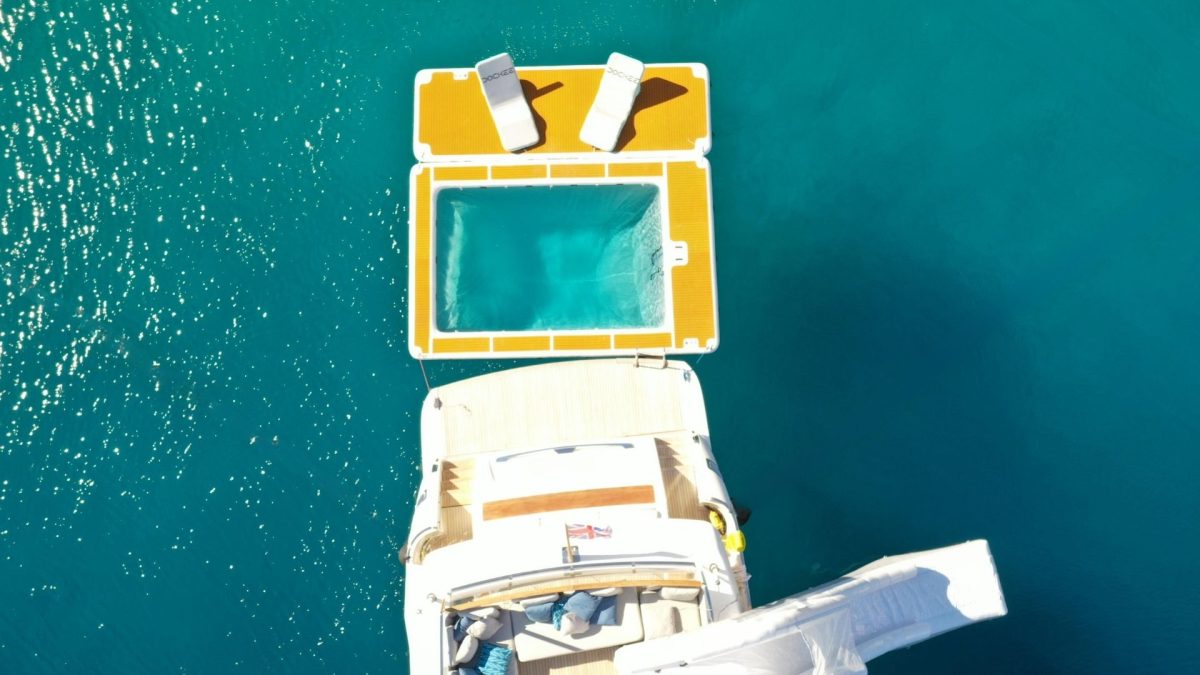
Rock swimmers also keep an eye on the water itself, and in some summers that means jellyfish drifting into the bay. Off a boat, the answer to that is a netted pool. The Deluxe Water Pool 4.10 m measures 410 x 410 cm outside, with a fine-mesh PVC net that keeps jellyfish, seaweed and drifting debris out of the swimming area, and a broad edge all the way round at water level that you can hold on to or sit on between swims. It connects to the same decks, so pool, platform and ladder can sit together off the stern and nobody has to touch a rock all day.
A few habits do the rest. Keep the engines and thrusters off whenever anyone is swimming, choose calm and sheltered water, and keep an eye on swimmers, especially children, as they come back to the ladder, because that is where tired arms let go. Then do what the man at Nervi does: swim out, float for a while, and come back to a step you trust.