You establish safe paddle boarding by defining clear departure lines at the transom and briefing all tender crews before anyone enters the water. Keeping SUP safety in the yacht anchorage simple means separating slow paddlers from fast incoming craft, particularly during the late Italian season. When autumn arrives in the Mediterranean, the intense summer crowds thin out, leaving quieter bays along the Amalfi Coast and the Tuscan archipelago. Yet even with fewer vessels around, managing water traffic requires careful attention from the captain and crew.
Assessing the Autumn Bay for Excursions
Autumn SUP cruising in Italy offers cooler air and quiet coves, making it a beautiful time to explore Sardinia or Liguria by board. However, you still need calm, sheltered water for any water sports. Before anyone unpacks a board, the crew must evaluate the immediate surroundings of the bay. Mediterranean tender traffic and SUP excursions often cross paths near the shoreline, so visibility and shelter are vital for a successful afternoon on the water.
The chosen spot must be free from heavy chop, strong currents and high winds. Always supervise swimmers and paddlers, especially children, as conditions can shift quickly during October afternoons. If the weather turns or the wind builds up, it is time to bring the inflatables in or secure them well on deck. The fundamental rule of the anchorage remains constant for every vessel: engines and thrusters must be switched off while anyone is in the water near the stern.
Setting Up a Safe Departure Zone
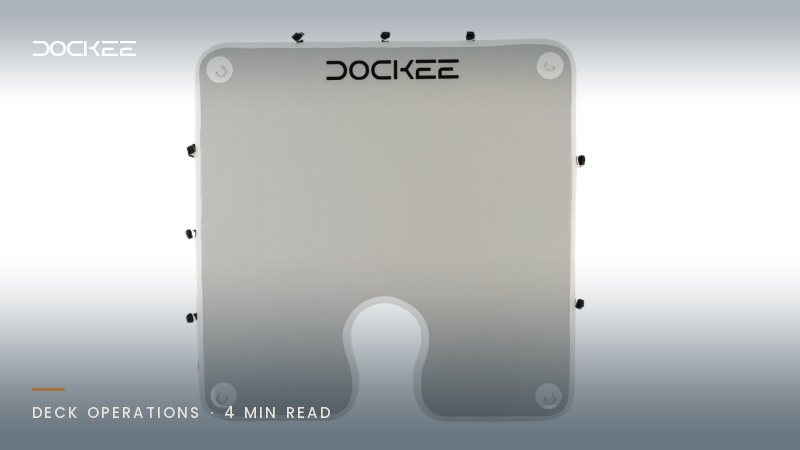
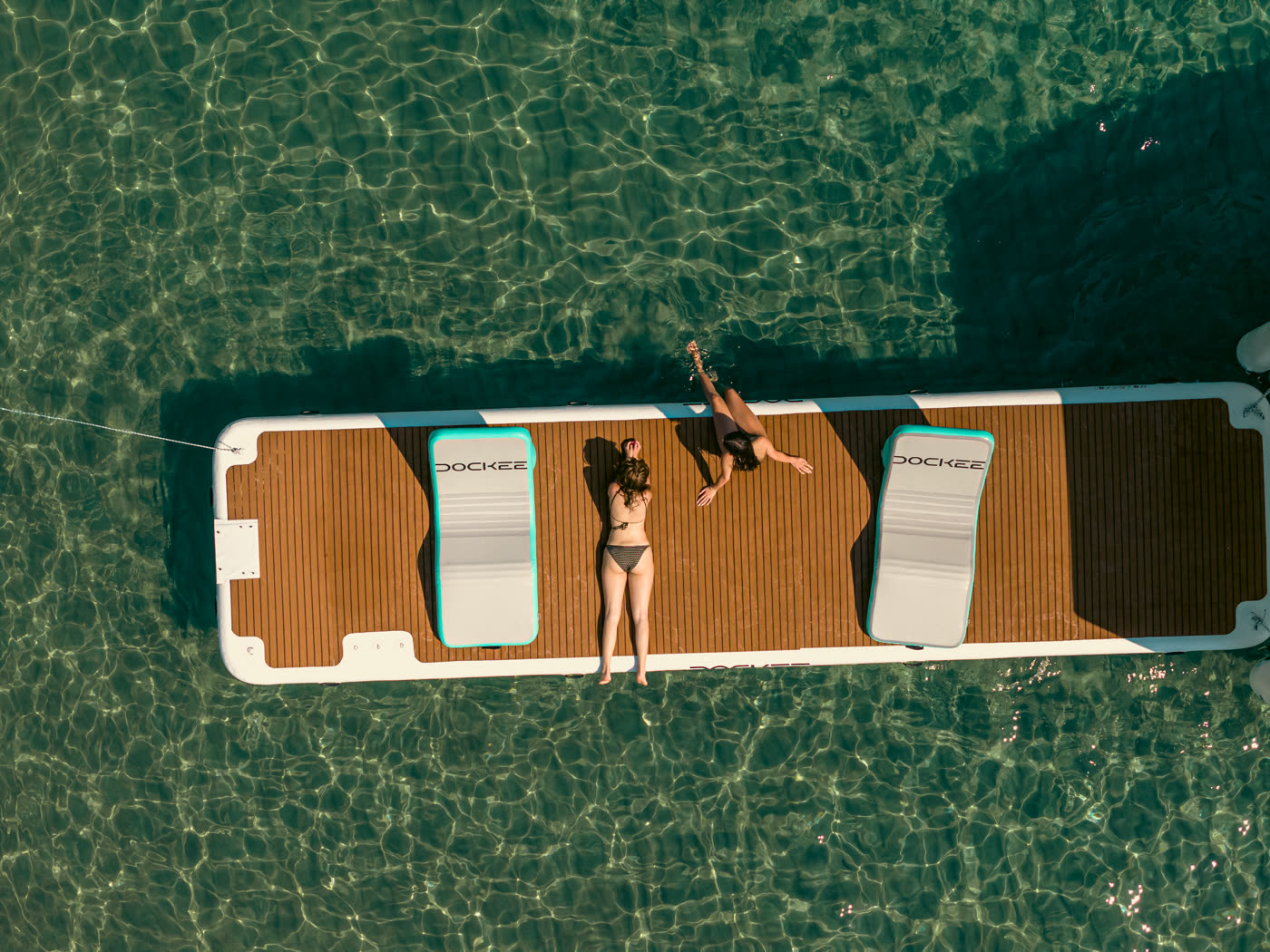
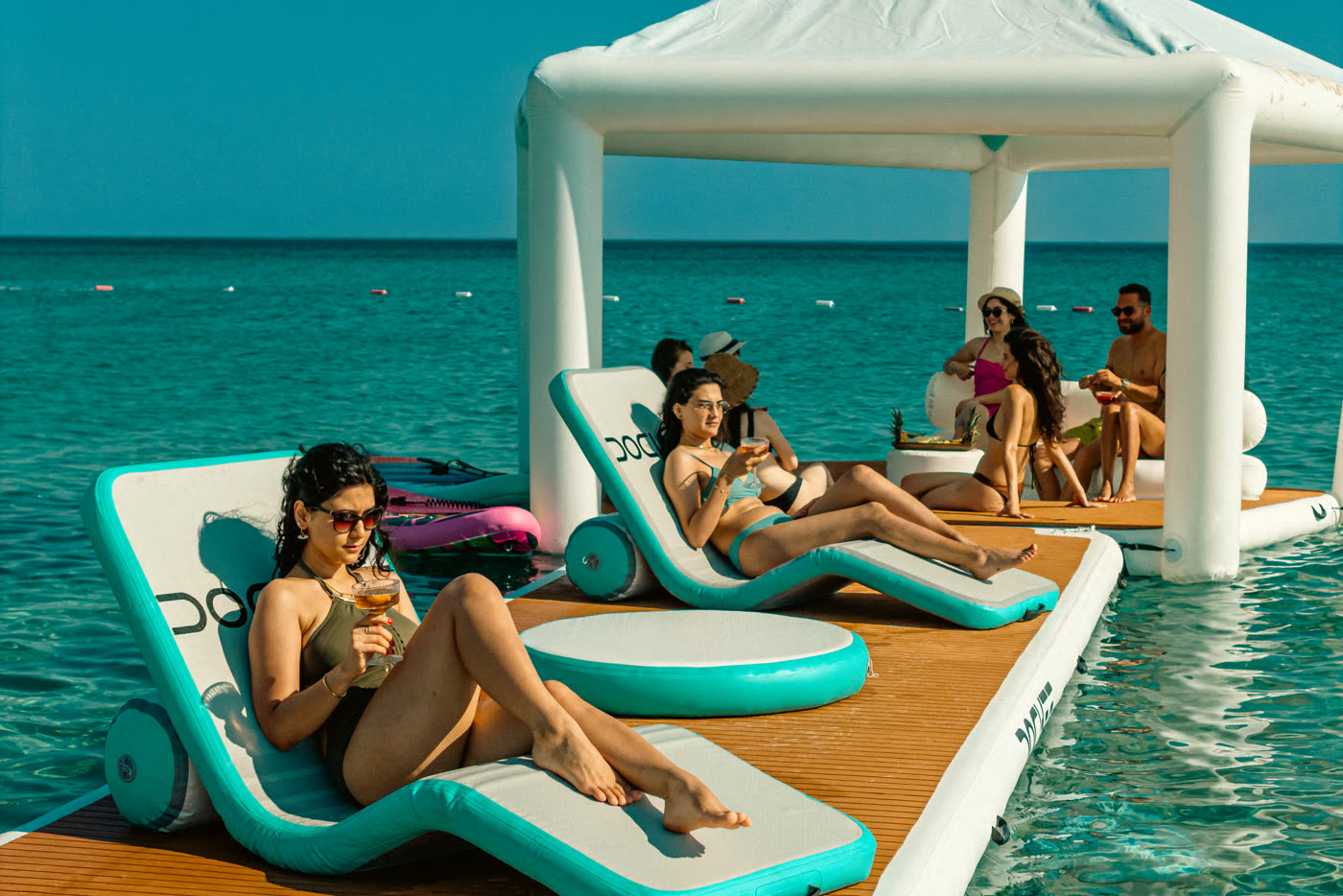
A dedicated launch point keeps paddlers safely away from the main yacht operations. Establishing yacht water toy safety zones begins right at the waterline. Extending your swim platform with a Premium Teak Platform 4.10 m provides a separate staging area. Its teak-look surface gives guests a stable, non-slip place to prepare their boards and wait for their turn. This surface is a teak look only, not real wood, and it needs no oiling or sanding, leaving the crew free to focus on coordinating the day.
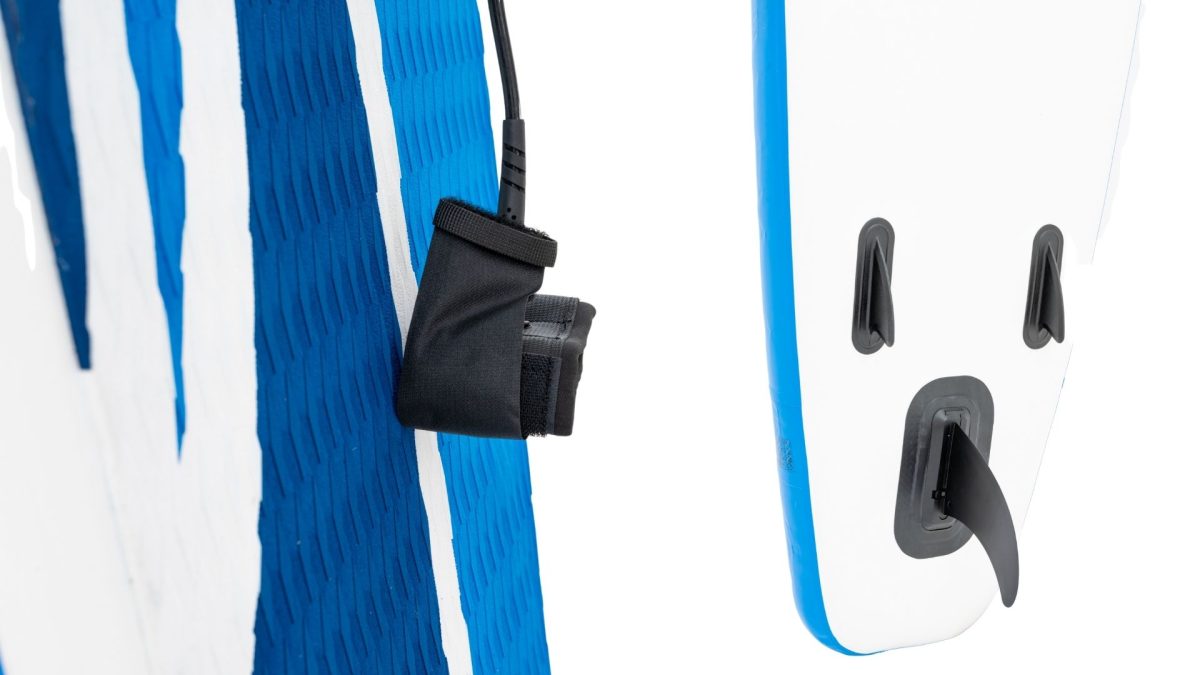
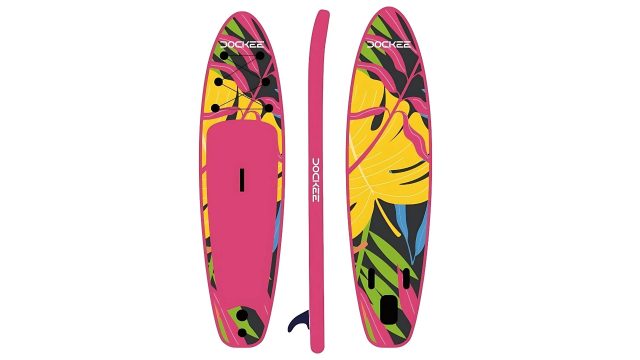
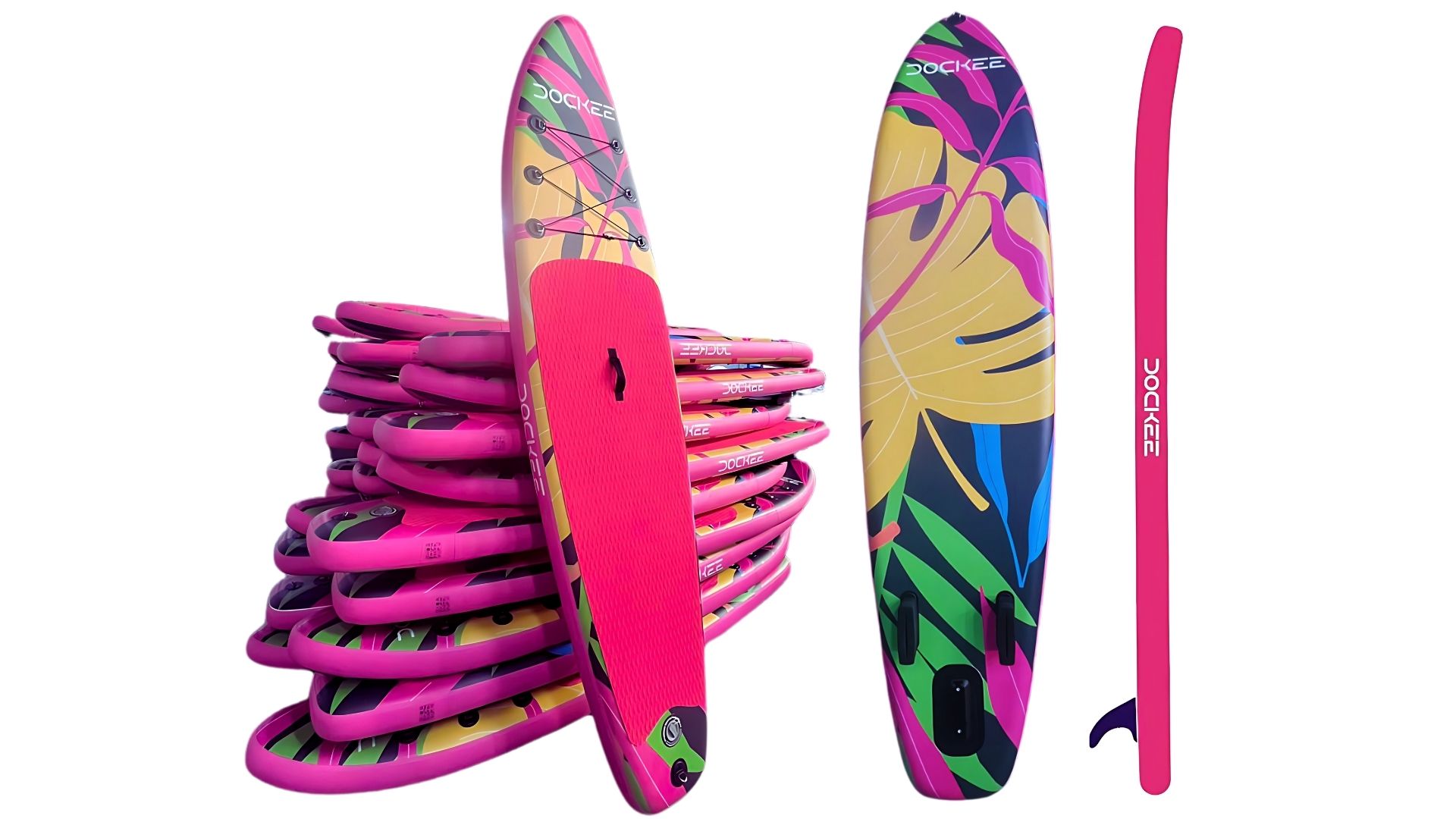
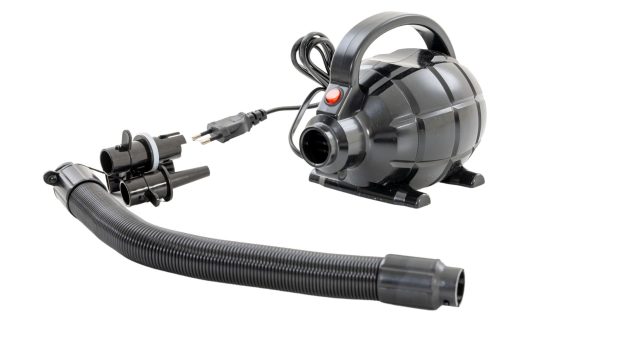
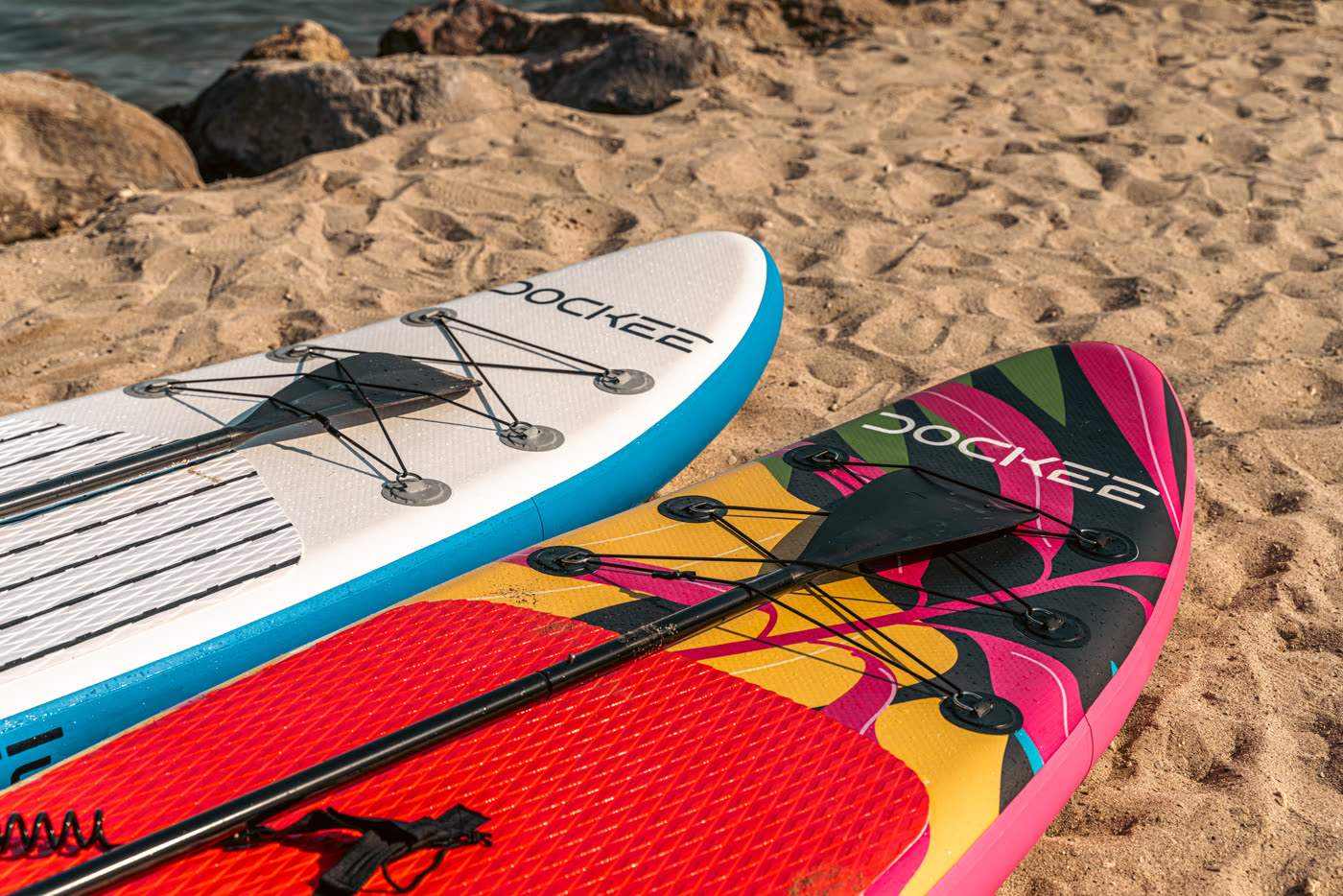
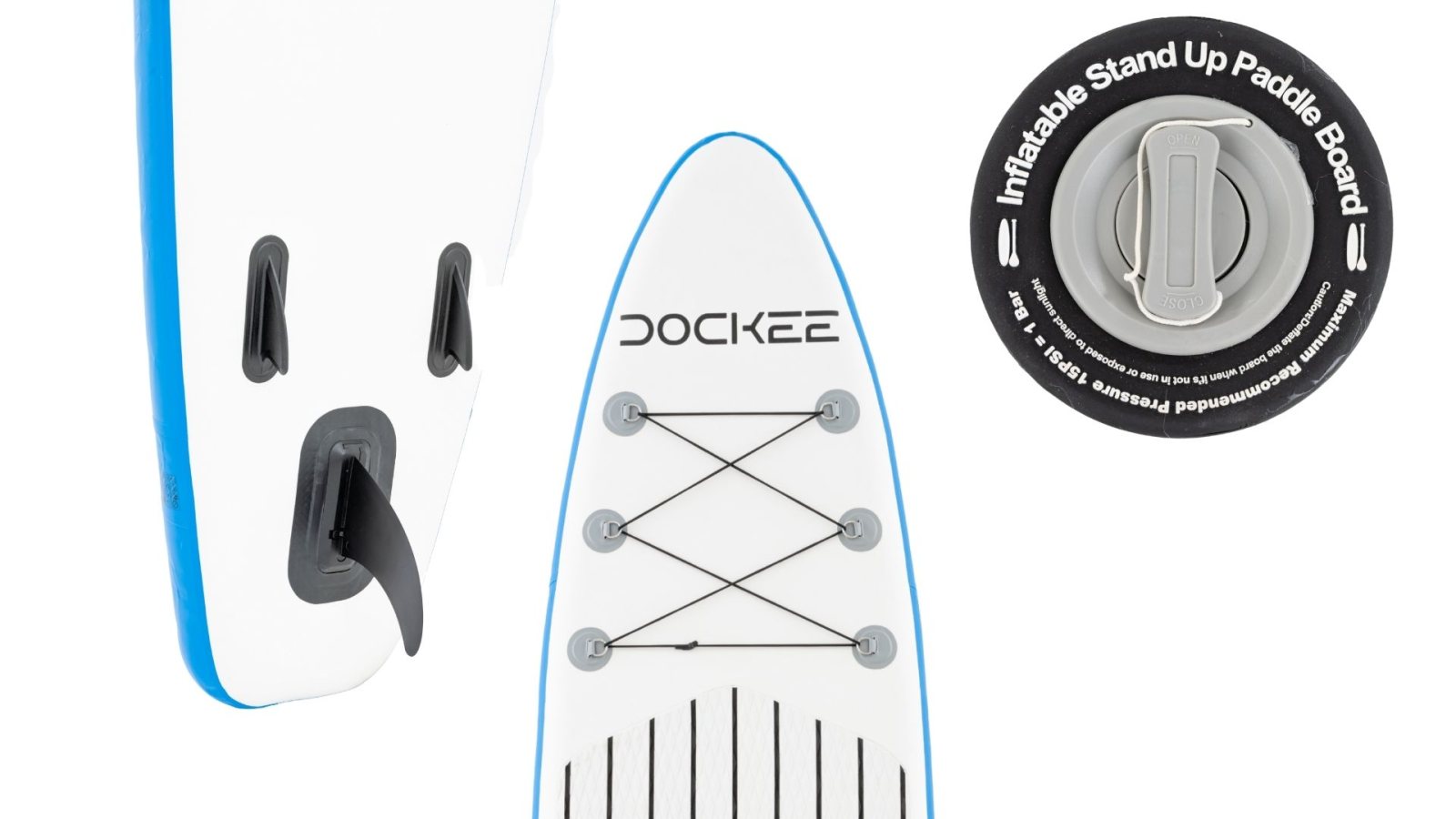
You can prepare the boards directly on this floating deck. The Air Pump for Inflatable Docks 500W is compact and connects to standard 230 V power, making it easy to operate near the waterline. Always inflate your boards to the pressure stated in the product instructions. Once the equipment feels rigid, guests can step directly onto their Vento 10'6" SUP Paddle Board and slip away quietly without disrupting the peace of the bay.
Coordinating Tender and Toy Traffic
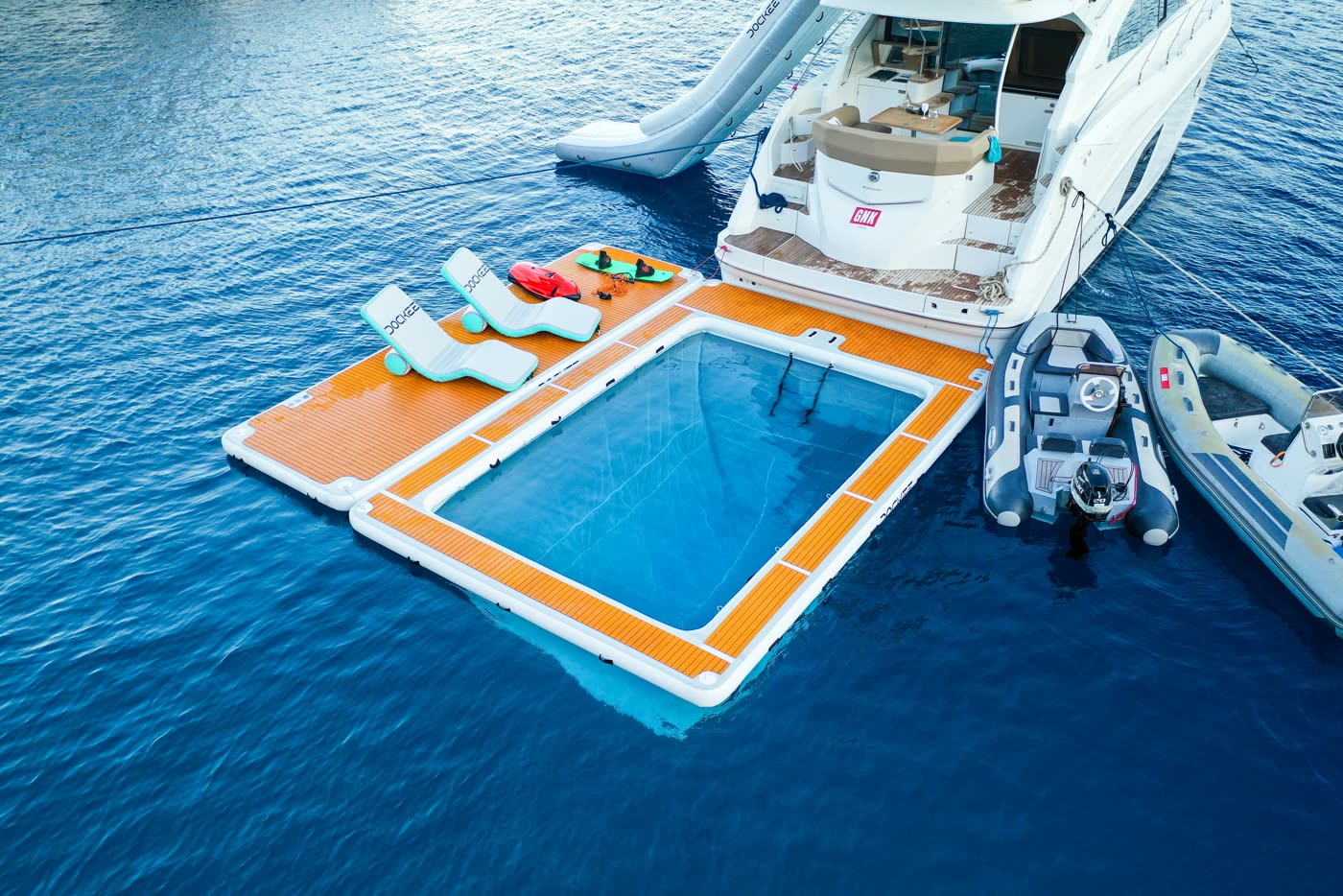
Clear communication is the most effective tool for paddle board anchorage rules. When a tender returns with provisions from a local harbour, the crew must know exactly where the paddlers are operating. It helps to designate one side of the yacht for motorised craft and the other for non-motorised activities. If you have personal watercraft, you might moor them on a Double Toy Dock (3.10 + 4.10 m) on the starboard side. This arrangement leaves the port side completely clear for swimmers and paddle boards.

Brief your guests thoroughly before they leave the yacht. Remind them to stay close to the shoreline and avoid the deeper channels where larger vessels manoeuvre. Autumn afternoons in the Aeolian Islands cast long shadows across the water, which can reduce visibility for incoming captains. Paddlers should wear bright clothing to remain highly visible and return to the yacht long before dusk.
Proper Care for Inflatable Boards
Every piece of equipment needs careful handling to maintain reliability on the water. Inflatable paddle boards rely on a specific drop-stitch construction. Two layers of fabric are joined by a dense array of internal threads. When inflated, these threads hold the surfaces parallel, creating a flat and firm deck rather than a rounded shape. The boards combine this drop-stitch fabric with reinforced PVC for durability against the marine environment.
When guests return from their excursion, a proper cleaning routine ensures the equipment remains ready for the next day. The crew should rinse the boards thoroughly with fresh water after contact with salt water. Clean the fabrics with a mild soap solution and allow everything to air-dry completely. As noted in our care and storage guidelines, make sure the product is completely dry before you deflate, fold and pack it. When not in use, store inflatables dry and out of prolonged direct sunlight to protect the materials throughout the winter months.
Photo credits
- © Vyacheslav Argenberg / http://www.vascoplanet.com/, CC BY 4.0, Wikimedia Commons