


The Mediterranean season winds down by late October, trading the quiet anchorages of the Amalfi Coast for the practical environment of a Ligurian shipyard. When the last guests depart, the crew turns to the meticulous work of winter preparation. Proper inflatable boat platform maintenance ensures that the abrasive salt of the Tyrrhenian Sea does not compromise your equipment during the months ashore.
Leaving dried salt in a valve or along a seam can wear at the fabrics while the platform is folded in storage. A systematic approach to flushing and cleaning clears these deposits before the winter lay-up.
- Unfold the platform fully on a clean shipyard surface, checking that the ground is free of sharp objects.
- Hose down the entire reinforced PVC body with fresh water to dissolve the initial layer of sea salt.
- Direct a steady, gentle flow of fresh water around the closed valve to flush out stubborn salt crystals.
- Wash the top deck with a mild soap solution to clear any remaining residue from the texture.
- Rinse the soap away thoroughly and allow the platform to air-dry completely.
Preparing the Drop-Stitch Body
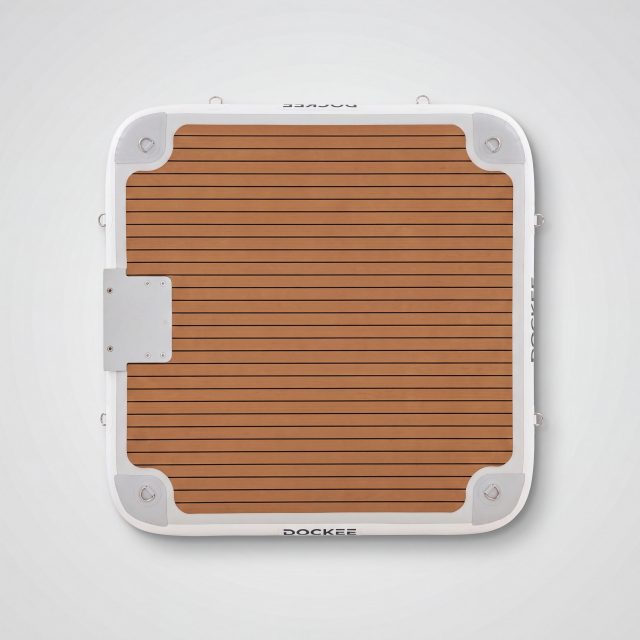
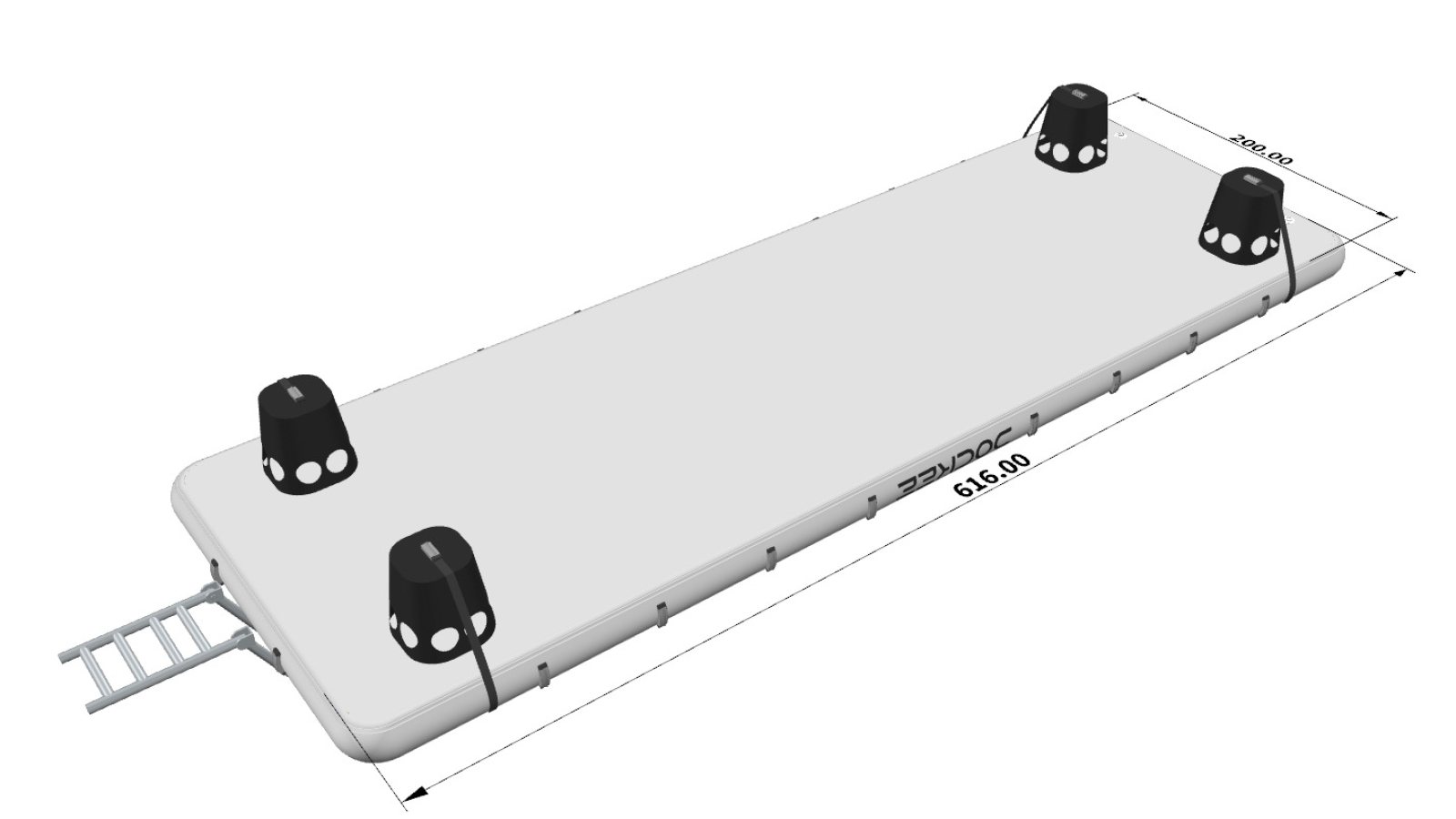
The main structure of your floating equipment requires a thorough inspection and rinse as soon as it comes out of the water. Dockee platforms are constructed using drop-stitch fabric with 0.9 mm PVC, a durable combination that withstands long hours in direct sun and sea water. When you pull a Premium Teak Platform 2.05 m onto the hardstanding, lay it entirely flat. This allows you to inspect the underside and the seams where salt tends to accumulate over the summer.
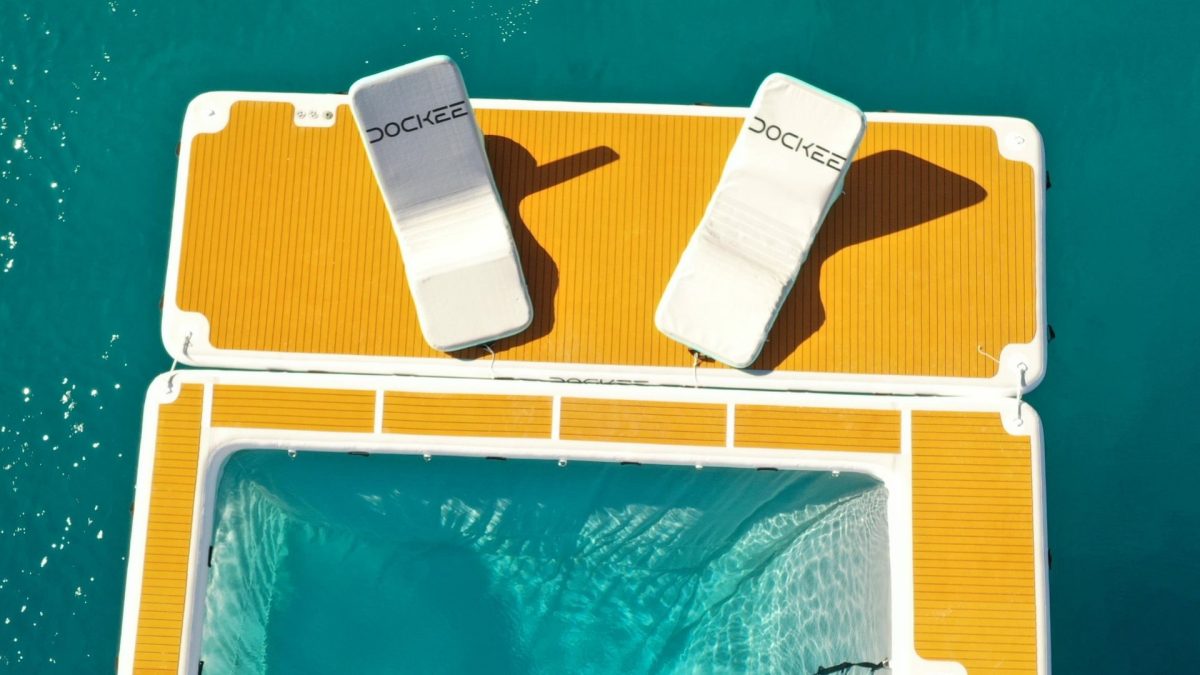
The top of the platform features a teak-look surface. It is a teak look only, not real wood, which means it needs no oiling or sanding at the end of the year. However, the textured grip can hold microscopic salt crystals that dry into a white crust under the late autumn sun. A gentle clean with a mild soap solution lifts this residue without harsh scrubbing. Rinse it well with fresh water, ensuring the runoff carries the salt away from the lower seams.
Flushing the Valves and Seams
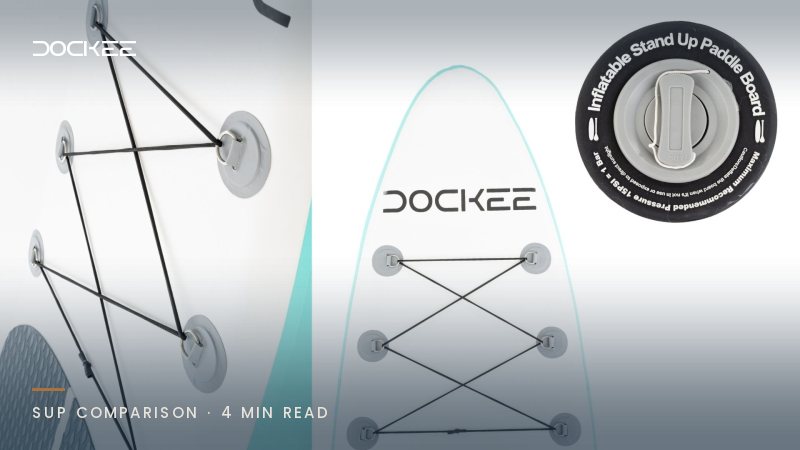
The most critical part of an inflatable platform valve flush is protecting the internal mechanism. The valve must remain securely closed while you clean the exterior. Salt water naturally dries around this fitting after a season moored in a Sardinian bay, leaving sharp crystals in the collar and cap threads. Direct a gentle stream of fresh water over the closed valve to dissolve these deposits.
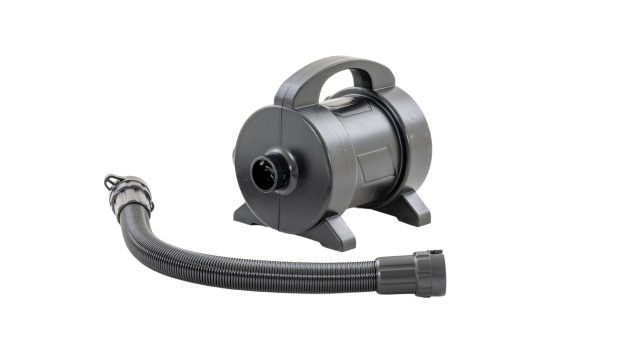
Never force high-pressure water into the valve housing. The goal of this marine drop-stitch care is simply to melt the salt away from the moving parts. Once the area is clear, wipe the threads and the cap gently with a soft cloth. Keeping the valve clean ensures it will connect smoothly with your Air Pump 1200W next season and hold the pressure stated in the product instructions.
If your setup includes an AirLink Tube for joining multiple units, apply the same flushing process to its valve and attachment straps. Pay equal attention to the seams running along the edges of the platform, as salt caught in the corners can abrade the material when folded.
Drying and Packing for Storage
The final phase of winter layup yacht inflatables preparation is perhaps the most important. Absolute dryness is required before you pack any marine equipment away for the winter. Trapped moisture inside a folded platform can cause issues during storage, degrading the materials over the colder months. Leave the product to air-dry completely. A dry, breezy afternoon in the shipyard is ideal, provided you keep the inflatables out of prolonged direct sunlight.
Inspect the valve collar and the textured deck one last time to confirm no damp patches remain. Only when the platform is entirely dry should you open the valve to deflate it. When folding the deflated platform, work from the end opposite the valve to expel the remaining air efficiently. Fold the material carefully, avoiding tight creases near the valve housing.
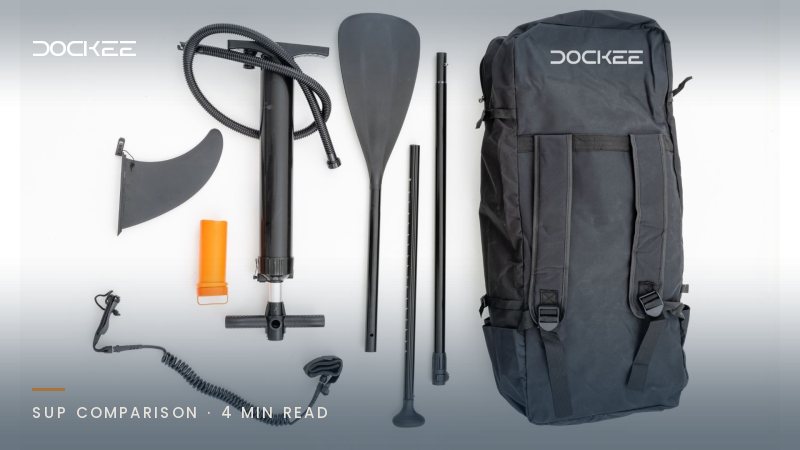
Pack the platform in its original cover and store it in a dry environment. For further details on the correct storage conditions, consult the care and storage guidelines. Dry it fully before you fold it away at the end of the season, and it will unroll next spring the way you left it.