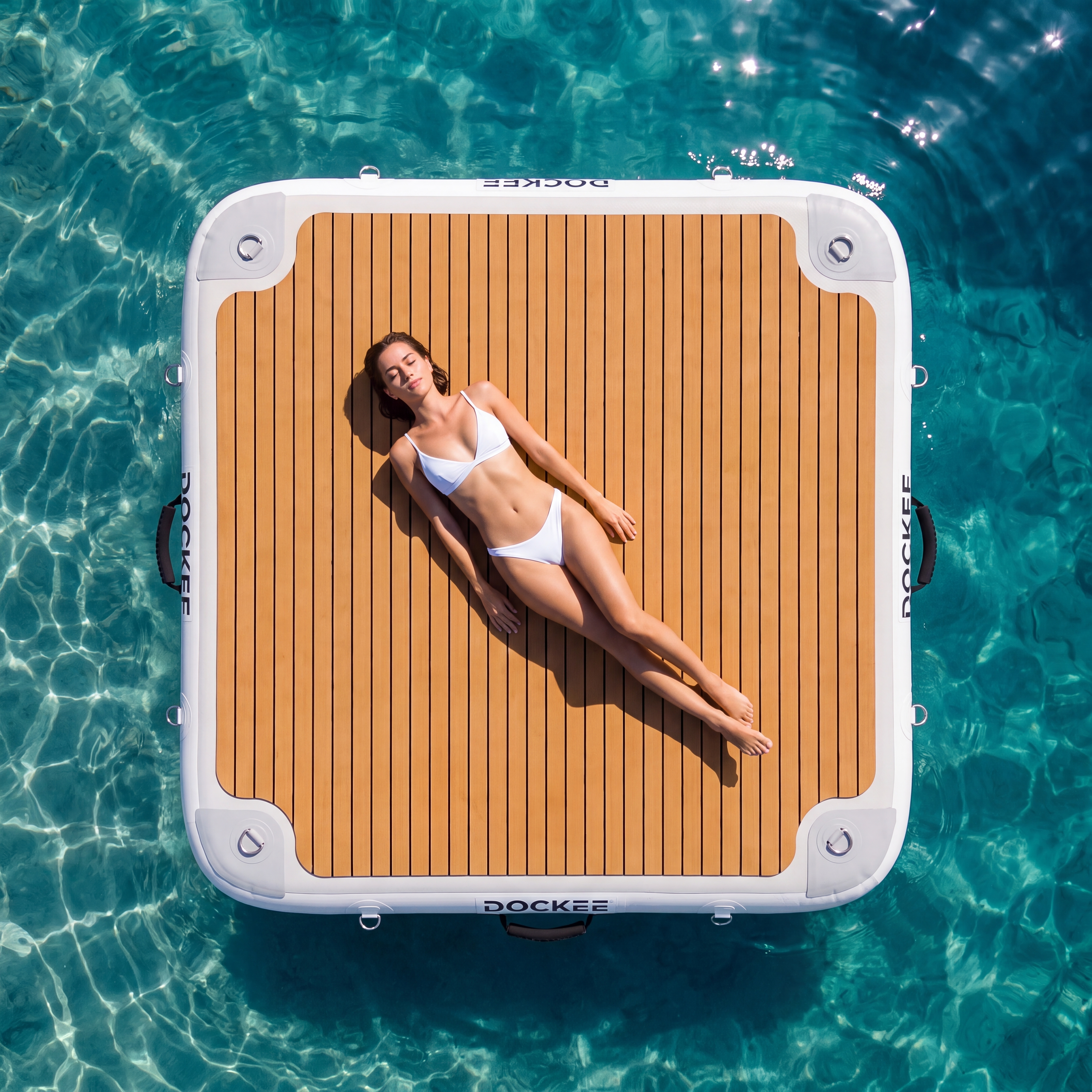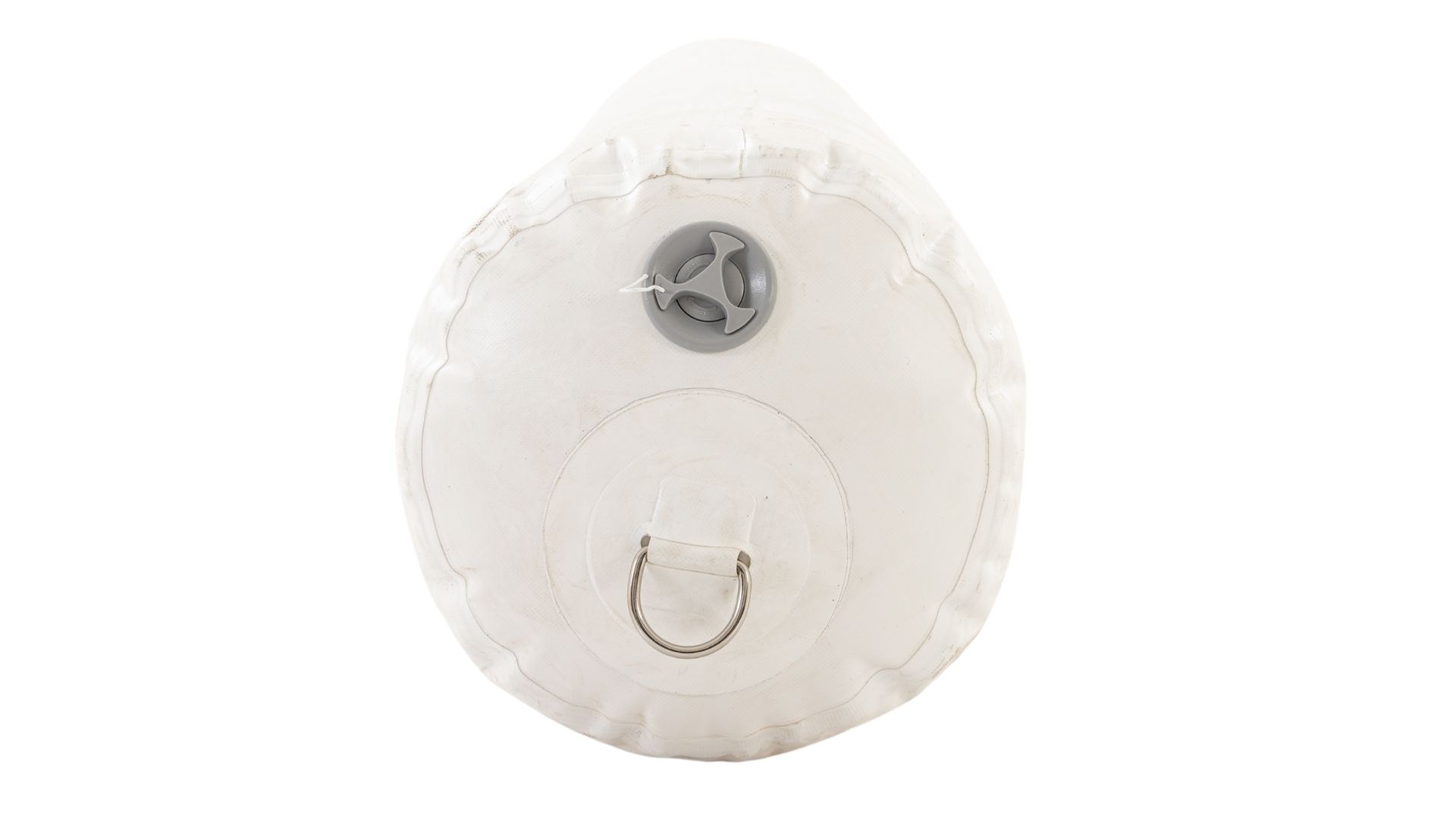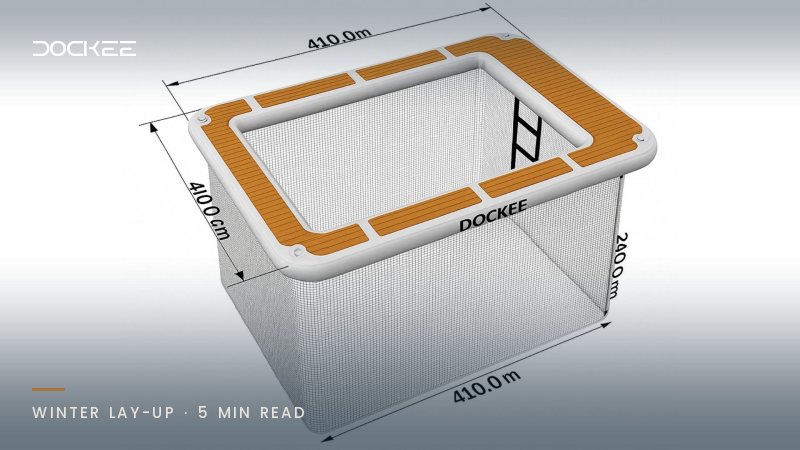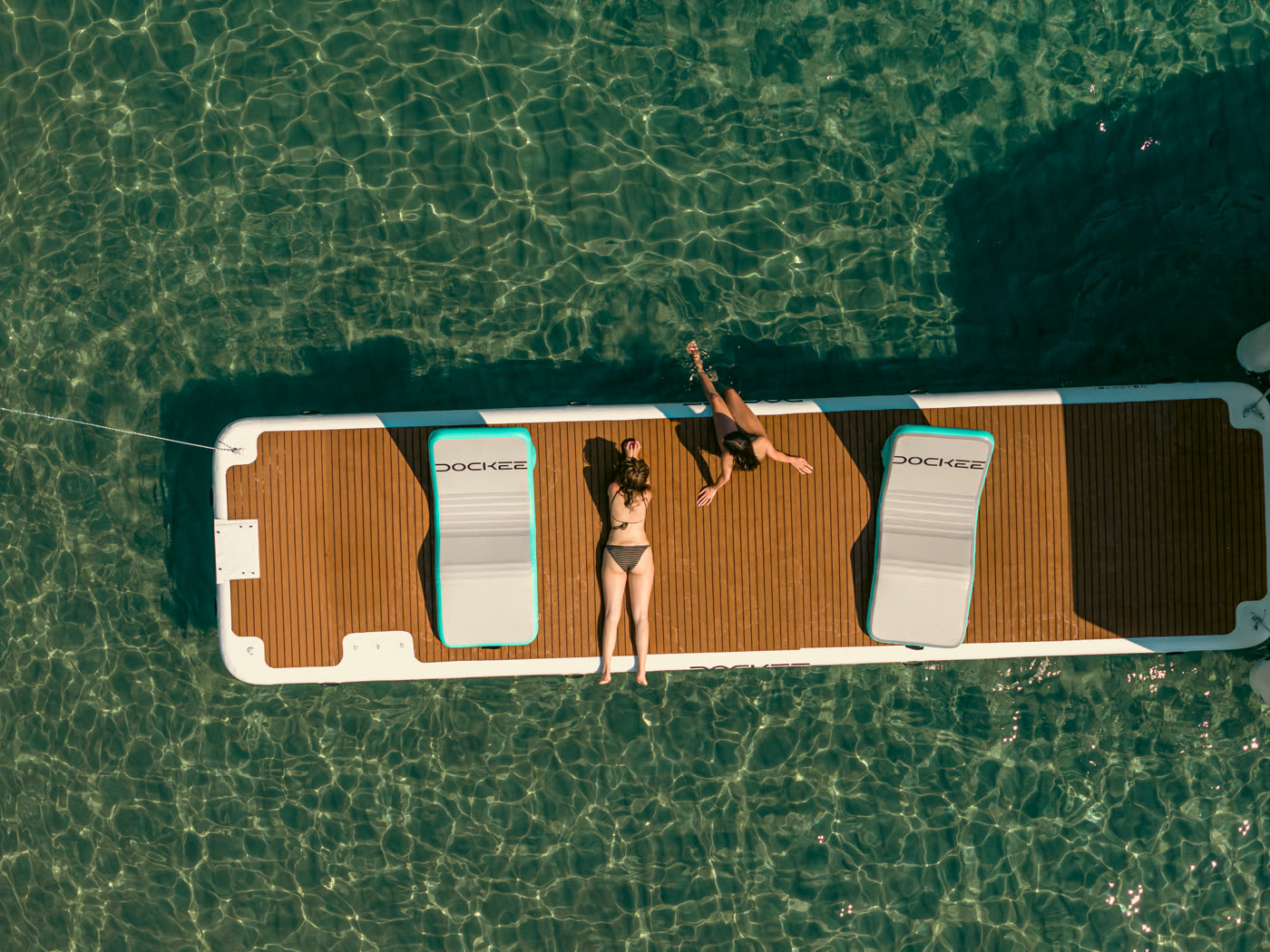
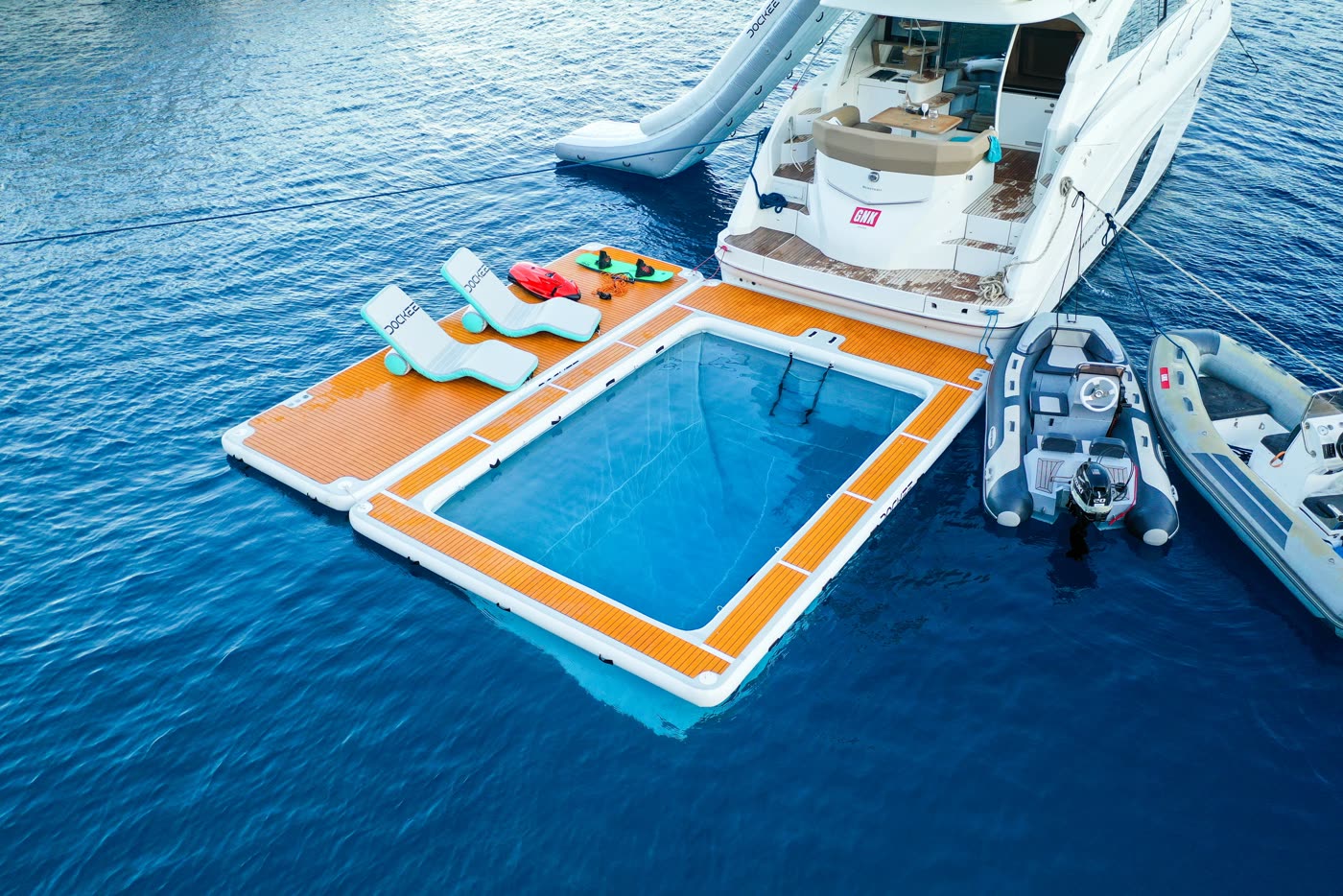
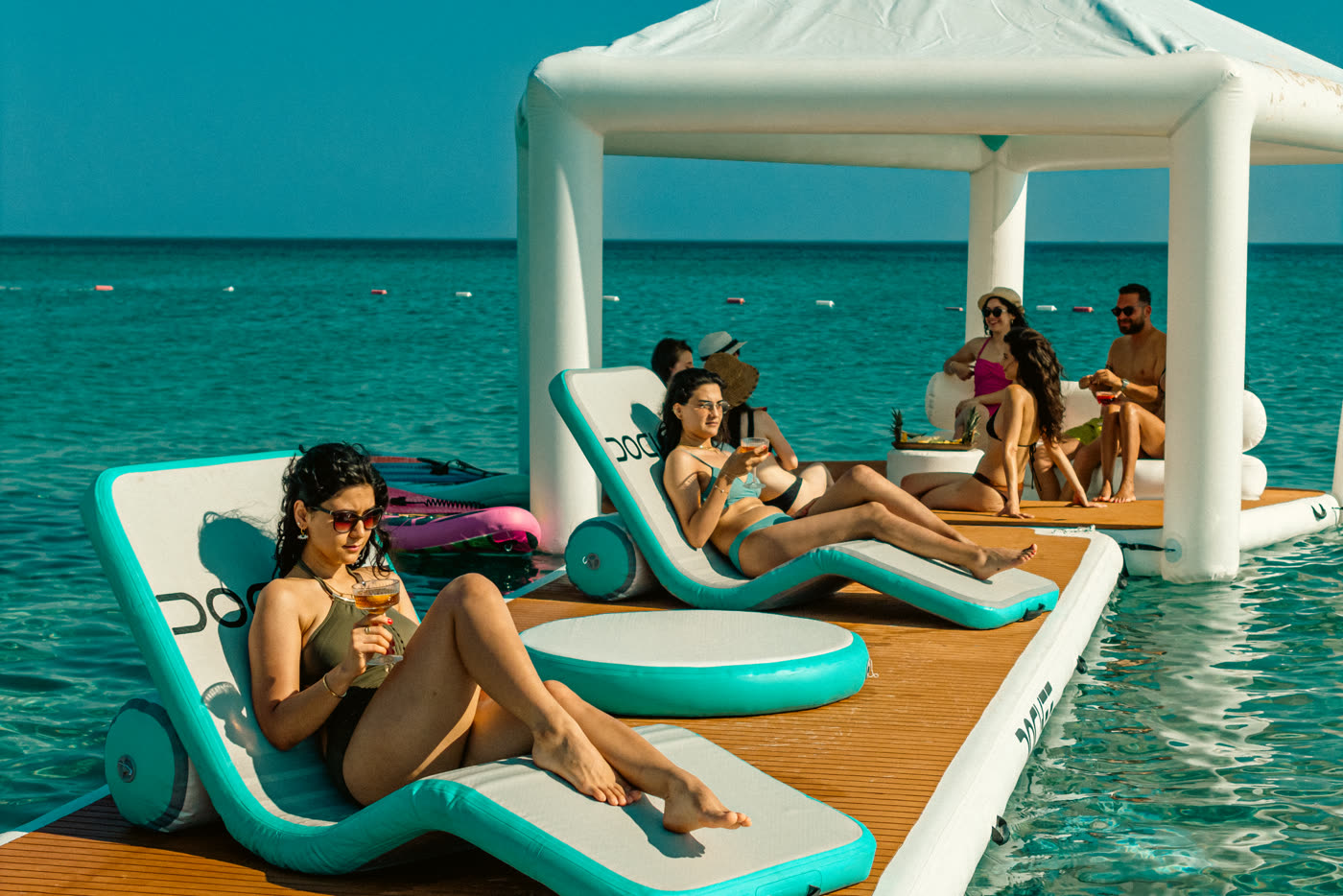
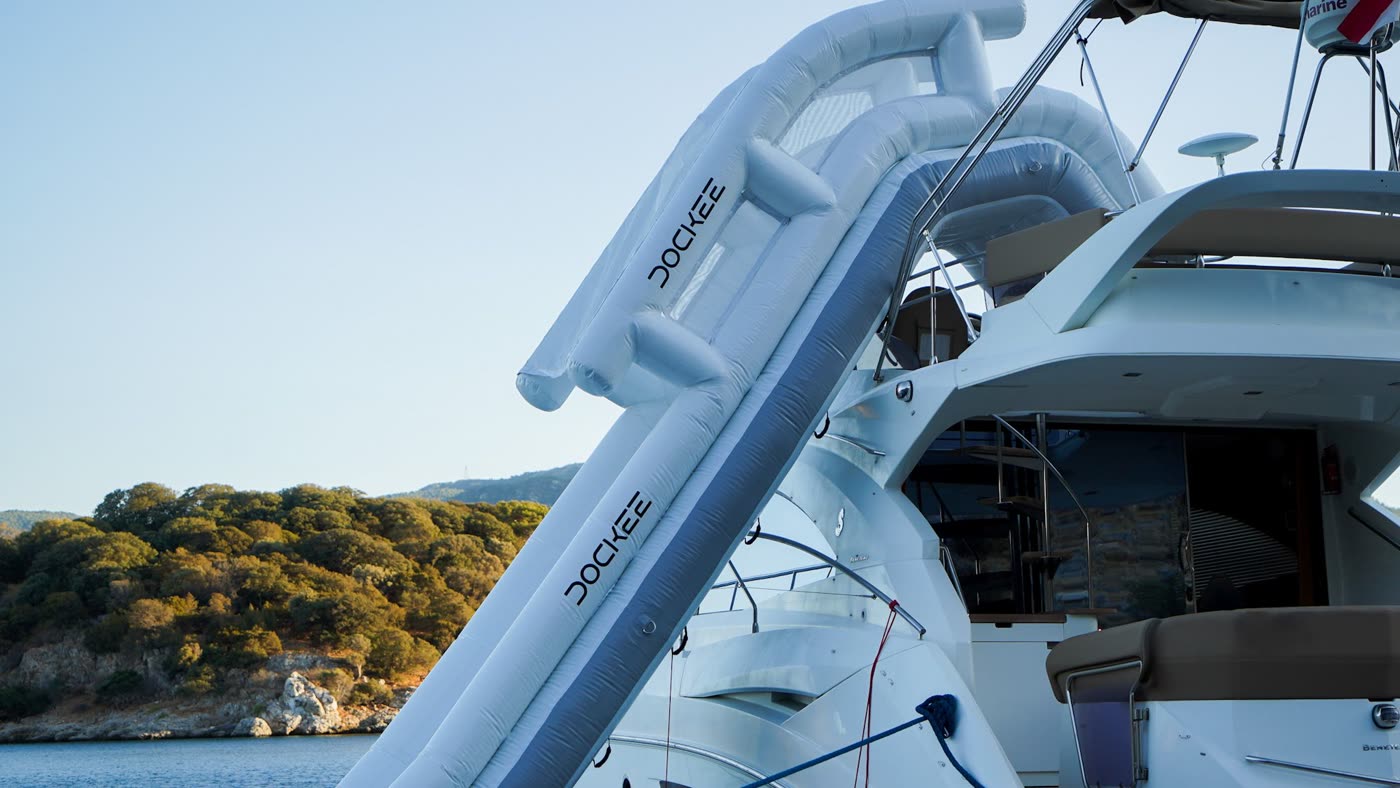
A drop-stitch deck can function as a floating platform and a marina buffer over the winter, provided your berth offers calm, sheltered water. If your Mediterranean port is exposed to heavy seasonal swells, you should deflate it and store it away.
Using an inflatable platform alongside yacht hulls provides a highly practical staging area for the crew during winter maintenance. It gives you a stable space right on the waterline for washing down the topsides, inspecting the hull or loading provisions in port.
Assessing the winter sea conditions
The primary rule for any water platform is that it belongs in calm, sheltered water. Many Italian marinas, such as those tucked inside the Ligurian coast or the sheltered harbours of the Tuscan archipelago, remain very still throughout the colder months. In these controlled environments, the platform sits quietly next to the swim platform without placing undue stress on its connection points.
It serves as an extra walkway, keeping the main deck clear while work happens at the stern. If the marina berth water platform is subject to wake from passing harbour traffic or winter chop, the dynamics change. You must bring the product in or secure it well when wind and waves build up. Constant bouncing against the transom or hull can strain both the yacht's cleats and the platform's connection points.
Securing the drop-stitch staging area
Proper line management is vital when leaving a drop-stitch structure in the water for extended periods. Tie lines only to strong, suitable fixing points on the yacht and keep them clear of propellers. Even when engines and thrusters are off, a loose line can easily foul a prop or a rudder mechanism.
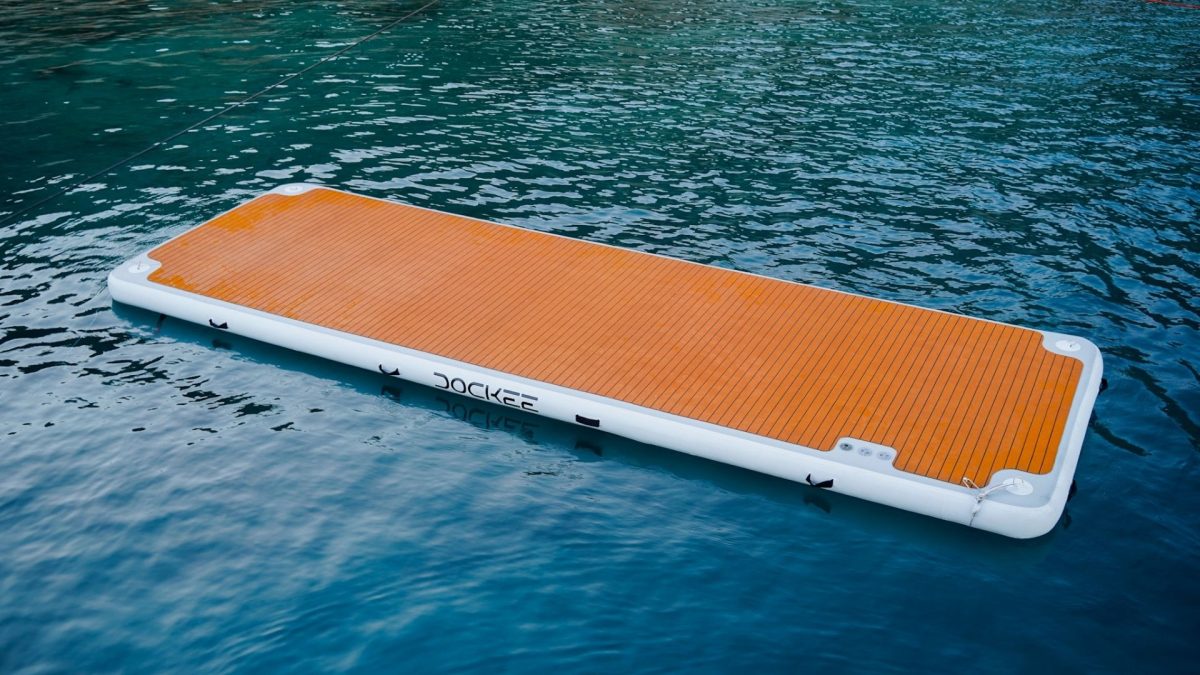
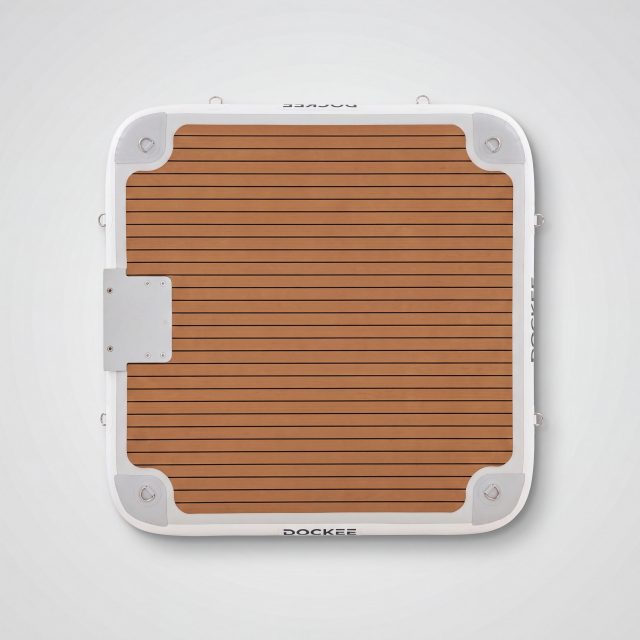
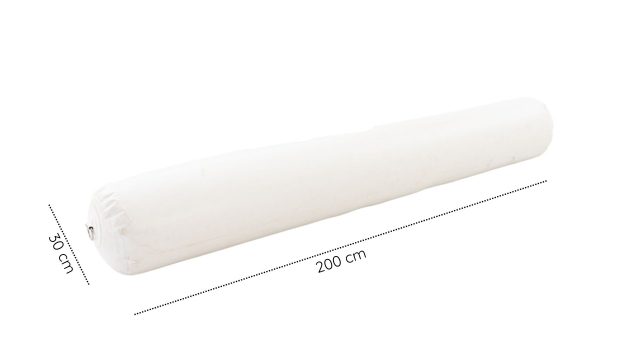
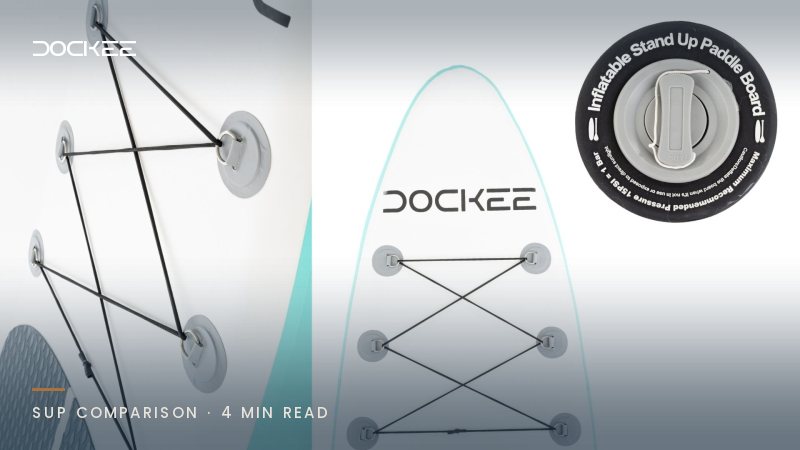
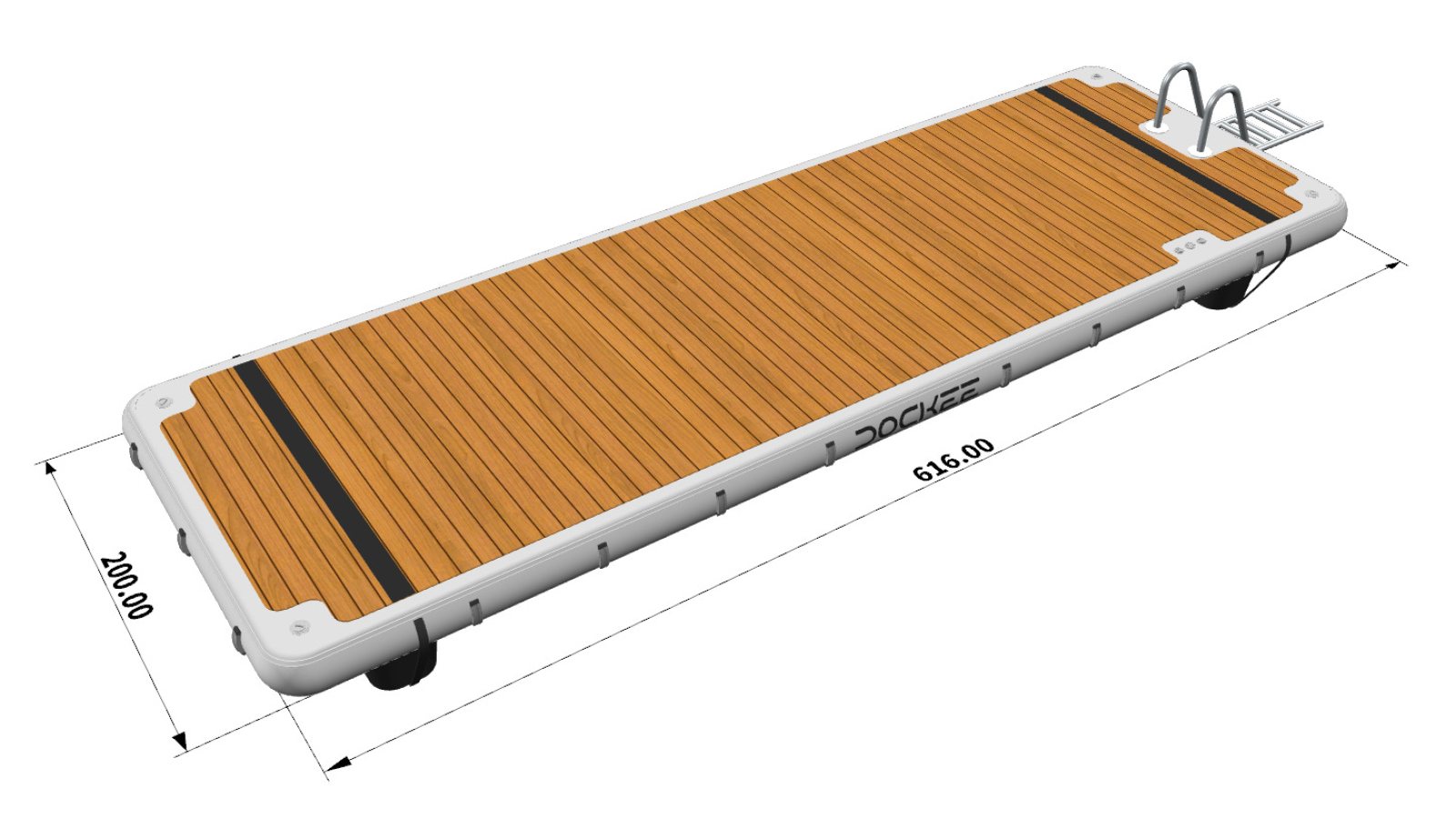
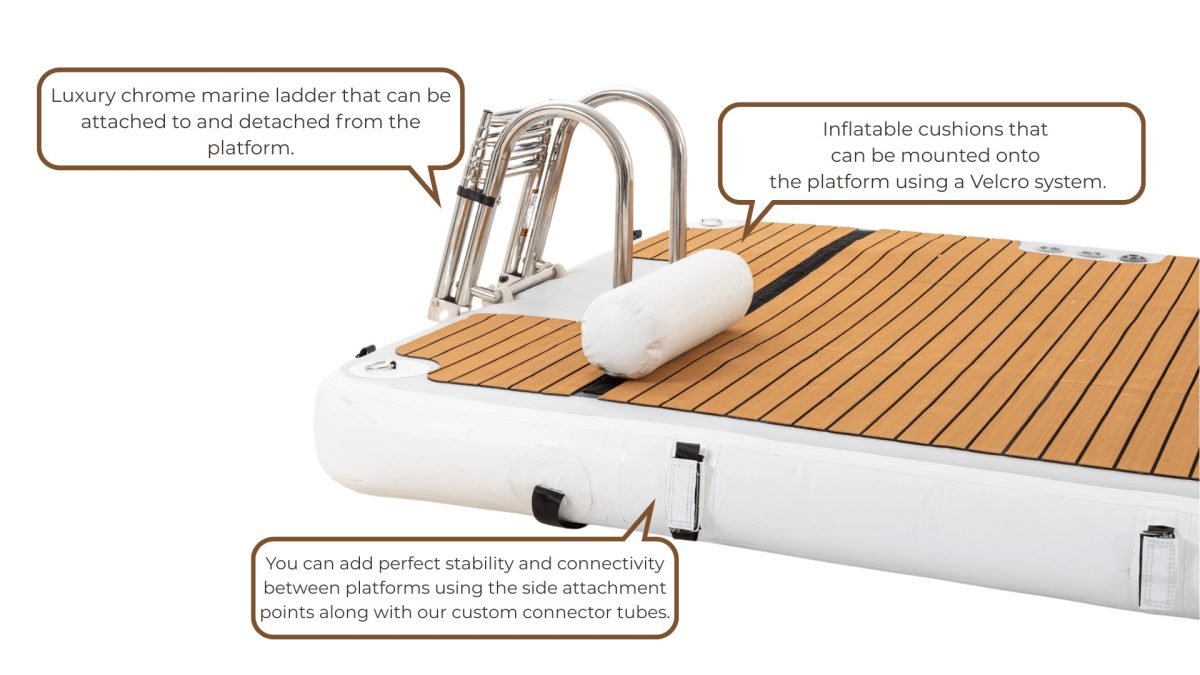
You need to balance the tension so the Premium Teak Platform 2.05 m remains close enough to bridge the gap without pulling tightly on a single corner. Cross-springing the mooring lines often helps keep the platform parallel to the hull, allowing it to rise and fall smoothly with the tide. If you are linking several units to create a larger work area, the AirLink Tube securely joins them. You place the units side by side, inflate the tube until it is rigid, slide it into the connection loops and fasten it with the integrated straps.
Chafe management and pressure checks
A common concern for yacht transom protection in a marina is the prevention of chafe. Lines constantly working against the edges of the platform can wear down the 0.9 mm PVC over a long winter. Check your mooring arrangements weekly, adding chafe guards to the ropes where they cross the yacht's fairleads or cleats. Ensure fenders are correctly positioned between the platform and any rough harbour walls.
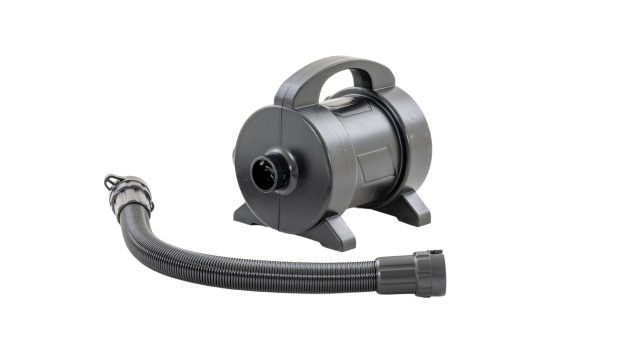
Temperature drops in autumn and winter will cause the air inside the platform to contract. You will need to monitor the pressure and top it up occasionally using the Air Pump 1200 W, which runs on standard 230 V power. Inflate to the pressure stated in the product instructions and verify it with a pressure gauge so the drop-stitch fabric remains firm and rigid. Air expands as it warms, so you should check the pressure again on unusually hot, sunny winter afternoons.
Caring for the surface alongside the yacht
Leaving the platform out means it will gather salt spray, rain and harbour dust from the surrounding port. The top is a teak-look surface, which is not real wood and needs no oiling or sanding. It keeps its warm appearance with simple, regular cleaning, offering excellent grip for the crew in wet winter conditions.
Rinse it thoroughly with fresh water to remove salt residue and dirt. You can clean the fabrics with a mild soap solution. Doing this every few weeks prevents grime from setting in and keeps the area looking smart alongside the yacht. Because the materials are UV- and saltwater-resistant, they handle the bright Mediterranean winter sun well.
Knowing when to pack it away
If a severe winter storm is forecast for your anchorage or port, the safest choice is to remove the mooring buffer from the water entirely. Care and storage are straightforward processes. Rinse thoroughly with fresh water after contact with salt water and let the product air-dry.
Make sure the product is completely dry before you deflate, fold and pack it. When not in use, store inflatables and covers dry and out of prolonged direct sunlight. Dry it fully before you fold it away, and it will unroll next spring the way you left it, offering a pristine floating deck for charter guests once the Italian season begins anew.